Exploring Lekinchaleni Stotramulu
Introduction to Hindu Devotional Hymns
The Power of Praise
In Hinduism, one of the most personal and powerful ways to connect with the divine is through hymns of praise. These devotional poems, known as stotras, are more than just words. They are expressions of love, reverence, and awe directed toward a deity.
stotra
noun
A hymn or prayer of praise in Hinduism, typically addressed to a particular deity. The word comes from the Sanskrit root stu, which means 'to praise' or 'to celebrate'.
The purpose of a stotra is simple: to focus the mind on the divine. By chanting or singing about a deity's qualities, stories, and glories, a devotee cultivates a feeling of closeness and devotion. It's a form of active meditation, where sound and emotion come together to create a spiritual experience.
From Ancient Chants to Poetic Songs
The tradition of devotional hymns is ancient, with roots stretching back to the Vedas, the oldest scriptures of Hinduism. The hymns in the Rigveda, for example, praise various deities and cosmic forces. These early hymns were primarily ritualistic, part of elaborate ceremonies.
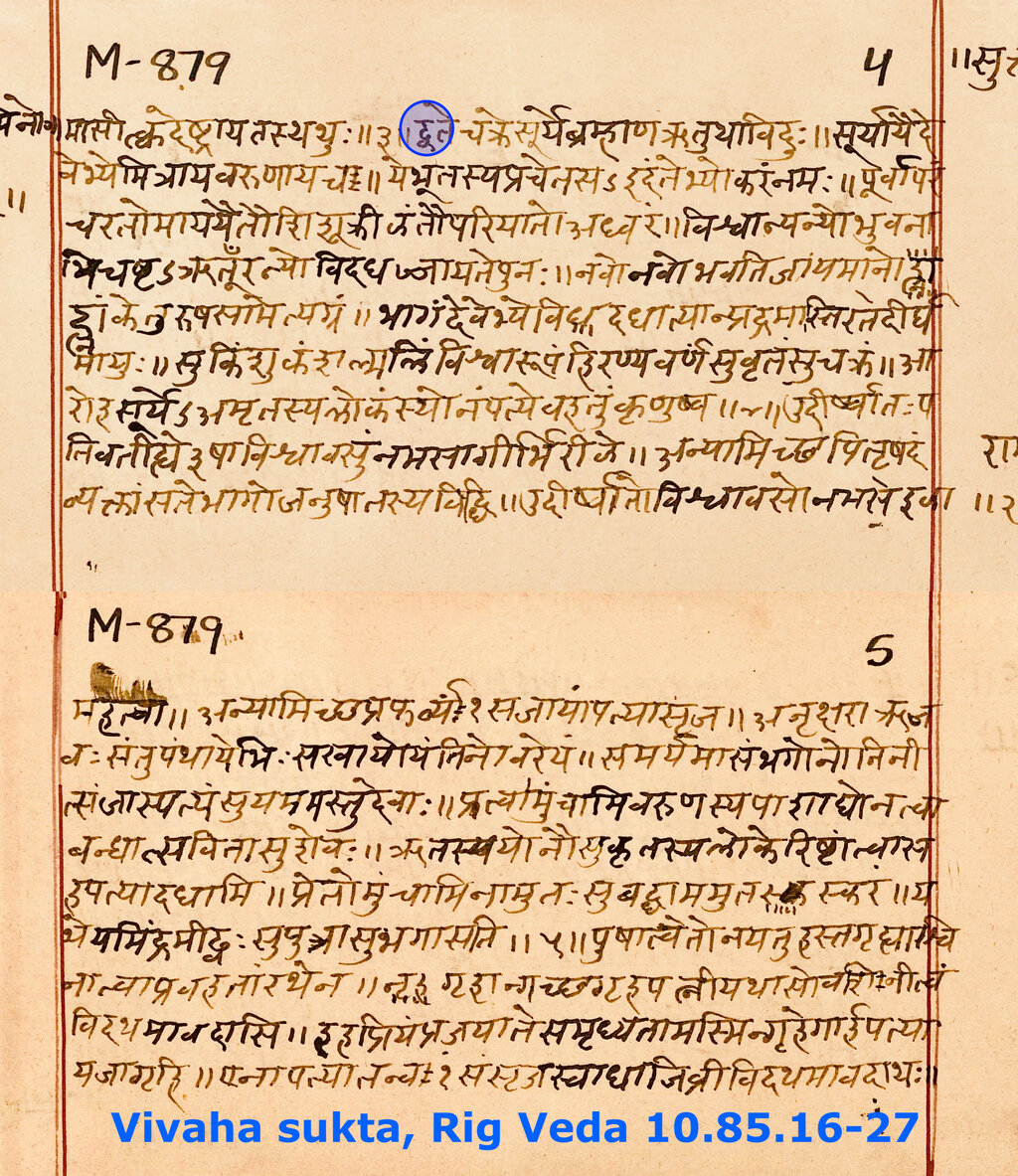
Over centuries, this tradition evolved. During the era of the Puranas, which contain countless stories about the gods and goddesses, the nature of these hymns began to change. They became more personal, narrative, and filled with emotion.
The Bhakti movement, a spiritual revolution that swept across India from the 6th century onwards, truly popularized the stotra. Bhakti saints and poets composed thousands of hymns in local languages, making devotion accessible to everyone, regardless of their social standing or education. This movement emphasized a direct, loving relationship with God, and stotras became its primary voice.
Stotras in Worship
Stotras are a central part of Hindu worship, both in the home and in temples. They are recited during daily puja (ritual worship), sung during temple festivals, and chanted in gatherings called satsangs.
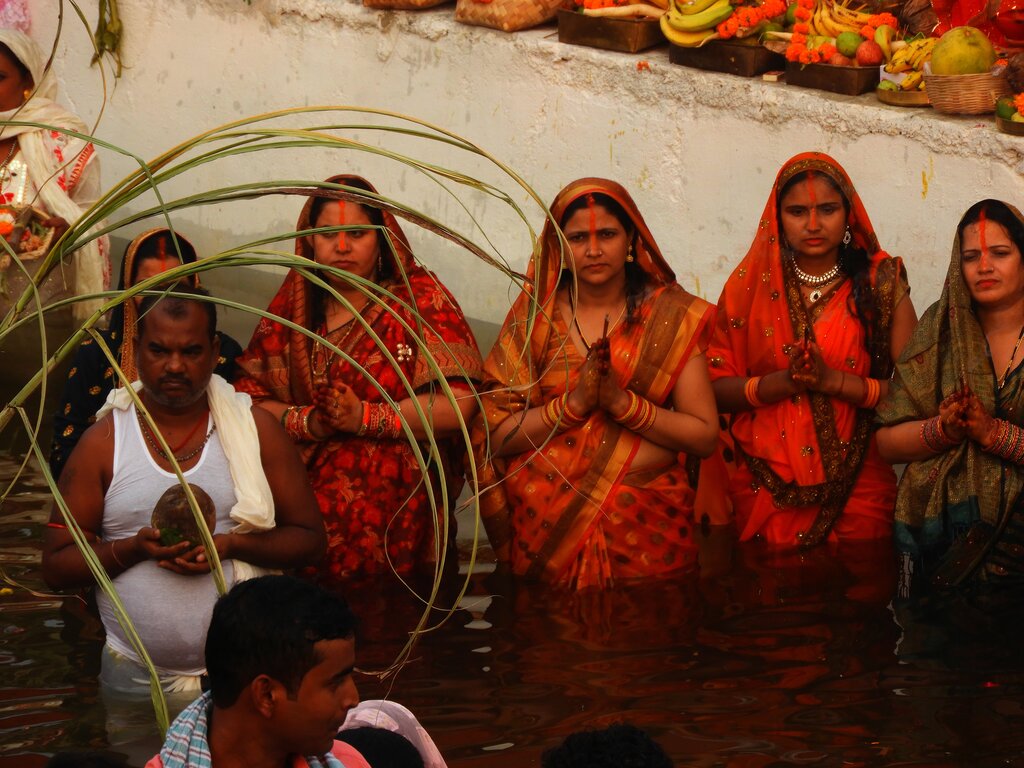
The themes found in stotras are vast. Many describe the physical form and symbolic attributes of a deity. Others narrate famous mythological events, like a god's victory over a demon. Some are deeply philosophical, exploring complex ideas about reality and existence, while others are simple expressions of surrender and a plea for divine grace.
Structurally, stotras are poems. They often follow specific meters and rhyme schemes, which makes them easy to memorize and sing. The language can range from simple and direct to highly ornate and complex Sanskrit. Regardless of the style, the goal is to evoke bhava, or a specific feeling of devotion, in the heart of the listener and the chanter.
The musicality of stotras is key. They are designed to be performed, transforming worship from a silent, internal process into an audible, communal experience.
By engaging with these hymns, individuals find comfort, inspiration, and a tangible connection to their faith. They are a living tradition, a timeless bridge between the human and the divine.
Ready to test your knowledge?