Exploring Large Language Models
Introduction to LLMs
What Are Large Language Models?
At its core, a Large Language Model, or LLM, is a type of artificial intelligence designed to understand and generate human language. Think of it as an advanced autocomplete. While your phone might suggest the next word in a text, an LLM can write an entire email, compose a poem, or explain a complex topic.
The "large" in their name is no exaggeration. It refers to two things: the immense amount of text data they are trained on—essentially, a huge portion of the internet, books, and other sources—and the enormous number of parameters they contain. Parameters are like the internal knobs and dials the model uses to make decisions about language. The more parameters, the more nuanced and sophisticated its understanding can be.
Large Language Models (LLMs) represent a monumental advancement in artificial intelligence, unlocking unprecedented capabilities for understanding and generating human-like language.
This scale is what gives LLMs their power. By analyzing patterns across billions of sentences, they learn grammar, context, facts, reasoning abilities, and even style. This allows them to perform a wide range of tasks that were once considered exclusively human.
The Core of Modern AI
LLMs are a key part of a field called Natural Language Processing (NLP). NLP is a branch of AI focused on enabling computers to understand, interpret, and generate human language. Before LLMs, NLP tasks were often handled by separate, specialized models. One model might be built for translation, another for summarizing text, and a third for answering questions.
Natural Language Processing
noun
A field of artificial intelligence (AI) that enables computers to process and understand human language.
LLMs changed the game by acting as a powerful, general-purpose language engine. A single, large model can now perform many different NLP tasks without needing to be redesigned from scratch. It can translate from French to English, summarize a lengthy report, and then write a piece of computer code, all based on the instructions it's given.
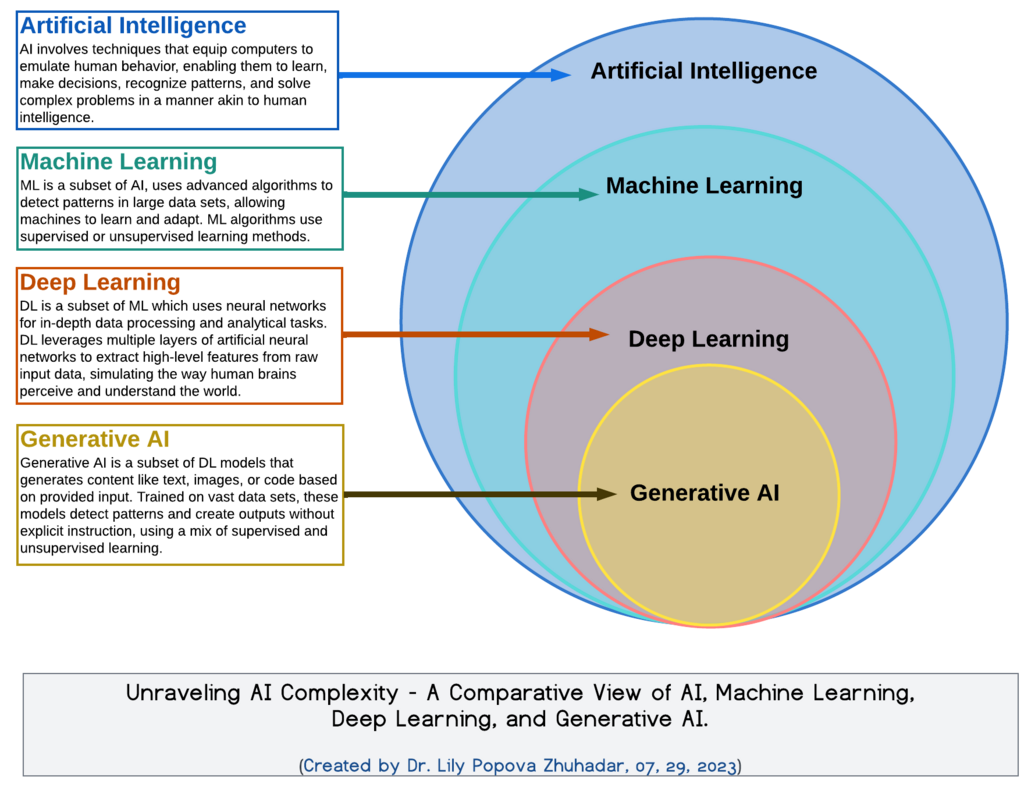
This versatility has made them the foundation for a new wave of AI applications, from sophisticated chatbots and creative writing assistants to powerful search engines that give you direct answers instead of just a list of links.
A Brief History
The idea of teaching computers language isn't new. Early attempts, starting in the mid-20th century, were based on complex, hand-written rules created by linguists. These systems were brittle and couldn't handle the messy, unpredictable nature of real human communication.
Later, statistical methods took over. Models like n-grams would predict the next word based on the previous few words. For example, after seeing "the cat sat on the," the model might predict "mat" because that sequence appeared frequently in its training data. This was an improvement, but it lacked a deeper understanding of context.
A major leap came with the rise of neural networks, which are loosely inspired by the human brain. Models like Recurrent Neural Networks (RNNs) could remember information from earlier in a sentence, giving them a better sense of context. However, they struggled with long-term dependencies—connecting ideas across long paragraphs.
The true breakthrough arrived in 2017 with the invention of the Transformer architecture. This new design allowed models to weigh the importance of different words in the input text simultaneously, revolutionizing their ability to handle long-range context. The Transformer made it practical to build the massive models we now know as LLMs, paving the way for systems like GPT (Generative Pre-trained Transformer).
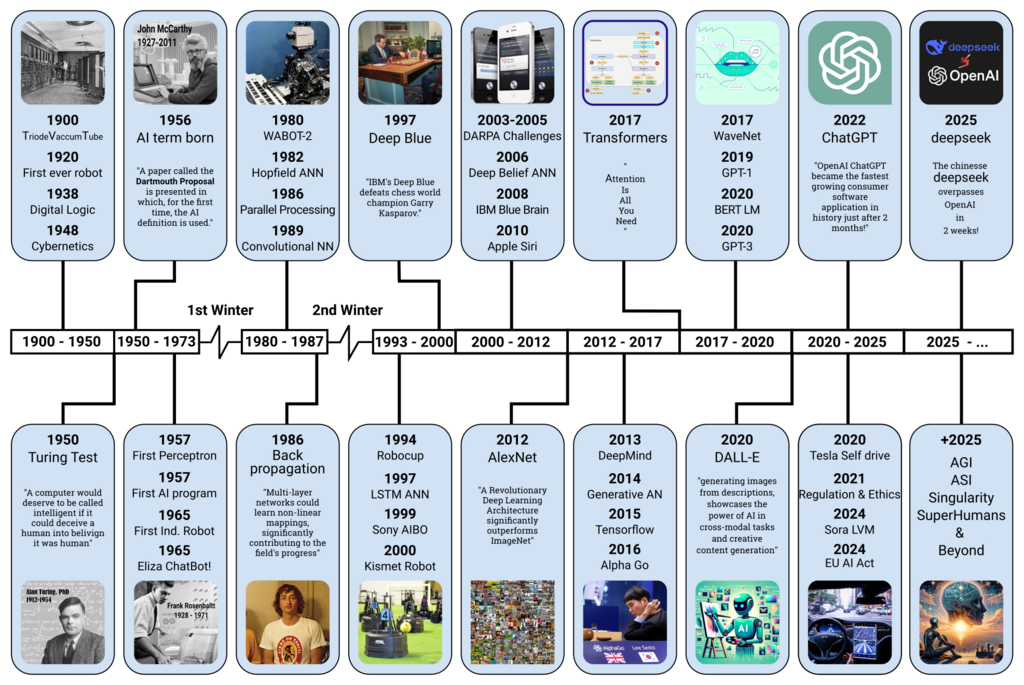
From simple word prediction to fluid conversation, the evolution of language models has been a story of increasing scale and sophistication, turning science fiction into a part of our daily lives.
Ready to test your knowledge? Let's see what you've learned about the fundamentals of LLMs.
What does the 'large' in Large Language Model primarily refer to?
Before LLMs became common, how were most Natural Language Processing (NLP) tasks typically handled?
Now that you have a foundational understanding of what LLMs are, we can move on to how they're actually built.