Exploring Large Language Models
Introduction to Large Language Models
What Is a Large Language Model
At its core, a large language model, or LLM, is an AI designed to understand and generate human language. Think of it as a very advanced autocomplete. It predicts the next word in a sentence based on the words that came before it. By doing this over and over, it can write emails, summarize long articles, answer questions, and even translate languages.
Large language models (LLMs) are AI systems that understand and create human language, doing tasks like summarizing articles, answering questions, writing code, and more.
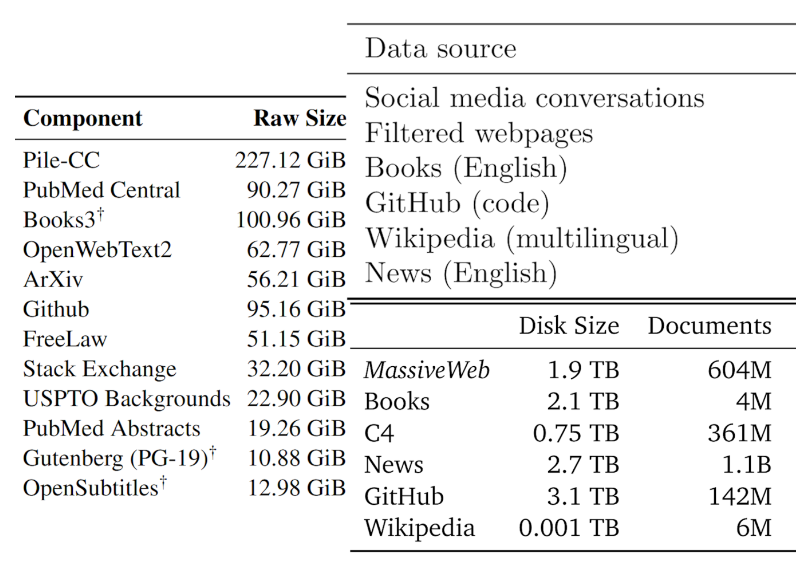
The “large” part of the name refers to two things: the enormous amount of text data it learns from and the massive size of the model itself. These models are trained on a significant portion of the internet, including books, articles, and websites. This vast training set allows them to learn the patterns, grammar, context, and nuances of human language.
When you give an LLM a prompt, like asking a question, it doesn't “think” about the answer. Instead, it calculates the most probable sequence of words to follow your prompt. It's a sophisticated pattern-matching system that is remarkably effective at creating text that feels coherent and human-written.
A Brief History
Large language models didn't appear overnight. They are the result of decades of research in a field called Natural Language Processing (NLP). Early NLP systems were based on strict rules and grammar. They were brittle and struggled with the ambiguity of human language.
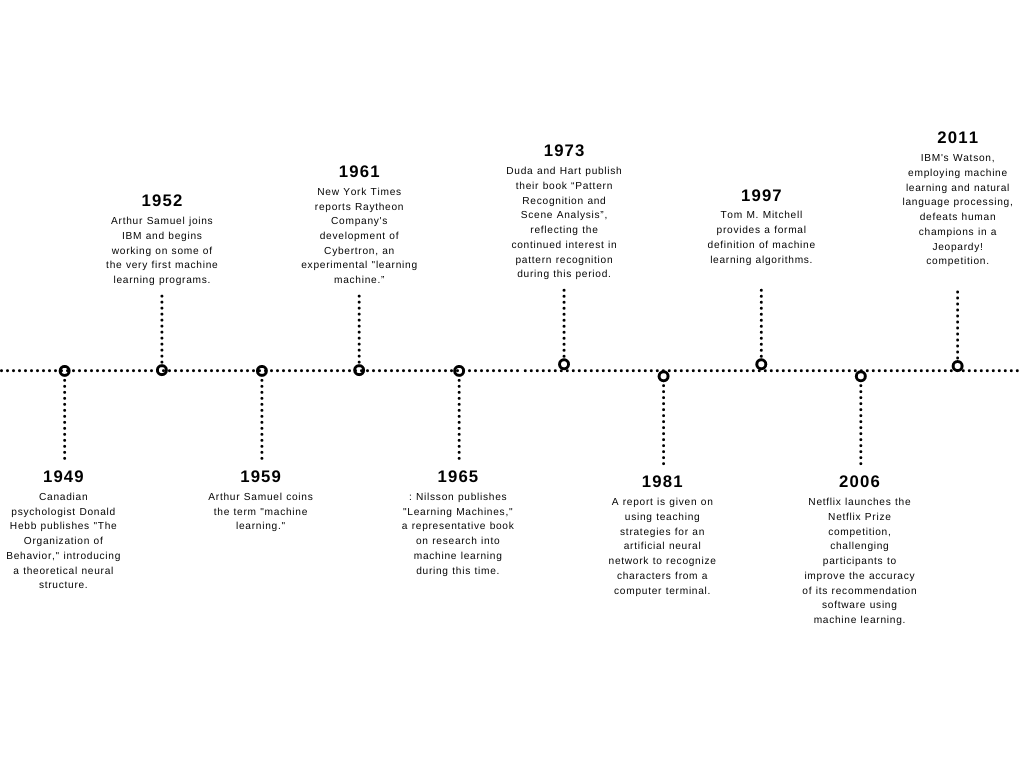
The shift towards statistical methods in the 1990s was a major step forward. Models started learning from data, but they could only consider a few words at a time. A key breakthrough came in 2017 with the invention of the “transformer” architecture. This new design allowed models to weigh the importance of different words in a long sequence of text, dramatically improving their ability to understand context.
The transformer architecture was the innovation that unlocked the power of today's large language models, enabling them to handle long-range dependencies in text.
This innovation, combined with access to more data and more powerful computers, led to a rapid increase in the size and capability of language models. Models like GPT (Generative Pre-trained Transformer) and its successors have demonstrated impressive abilities, pushing the boundaries of what AI can do with language.
Why They Matter
The rise of LLMs marks a significant milestone in artificial intelligence. They have made interacting with computers more natural and intuitive. Instead of clicking buttons or writing precise code, you can often just describe what you want in plain language.

This has opened up new possibilities for applications across many fields, from creative writing assistants and customer service chatbots to tools that help scientists analyze research papers. They are a powerful technology that acts as a foundation for many other modern AI tools. Understanding the basics of how they work is the first step to grasping the current landscape of artificial intelligence.
Let's check your understanding of these foundational concepts.
At its most basic level, what is a large language model doing when it generates text?
The 'large' in 'Large Language Model' primarily refers to which two aspects?
With this foundation, we can now explore the more technical aspects of how these powerful models are built and trained.