Exploring Large Language Models
Introduction to Large Language Models
What Are Large Language Models?
Large Language Models, or LLMs, are a type of artificial intelligence designed to understand and generate human language. Think of them as incredibly advanced prediction engines. After being trained on vast amounts of text from the internet, books, and other sources, they learn the patterns, grammar, and nuances of how we communicate.
The core ability of an LLM is to predict the next word in a sequence. By doing this over and over, it can write sentences, paragraphs, and even entire articles.
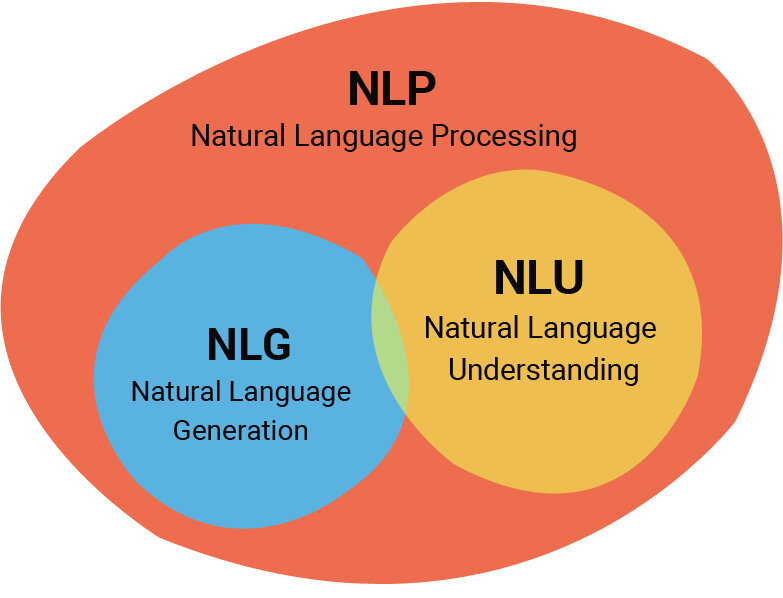
This capability is a game-changer for a field called Natural Language Processing (NLP), which focuses on enabling computers to process and analyze human language. Before LLMs, tasks like translation or summarization were handled by specialized, single-purpose models. LLMs, with their broad understanding of language, can perform a wide range of these tasks with impressive flexibility.
A Brief History
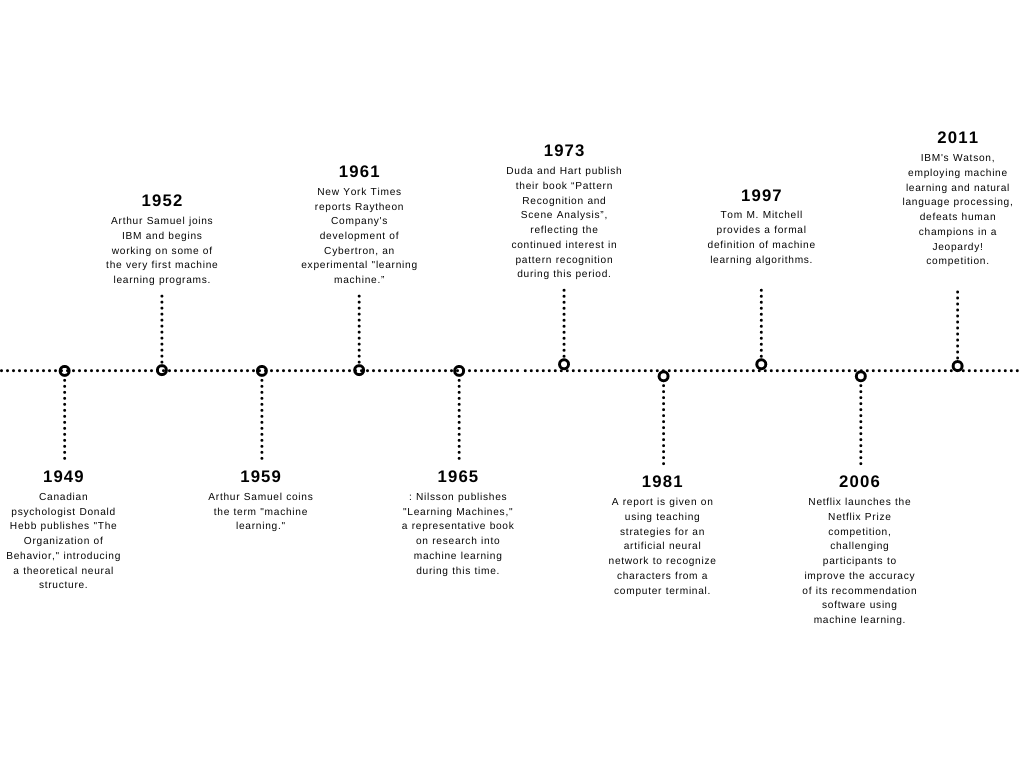
The idea of teaching machines language isn't new. For decades, scientists used statistical methods, counting word frequencies and probabilities to make sense of text. These early models were useful but limited. They couldn't grasp the context or subtle meanings that humans understand so easily.
The big shift came with the rise of neural networks, computer systems modeled loosely on the human brain. These networks could learn more complex patterns from data. As computers became more powerful and data became more plentiful, these models grew larger and more capable, eventually leading to the massive, powerful LLMs we see today.
What Can LLMs Do?
Because they are so versatile, LLMs power a huge variety of applications. Their ability to generate coherent and context-aware text makes them useful for much more than just simple chatbots.
| Application | Description |
|---|---|
| Machine Translation | Translating text from one language to another with improved accuracy and nuance. |
| Text Summarization | Condensing long articles or documents into short, easy-to-read summaries. |
| Content Creation | Writing emails, articles, marketing copy, or even creative stories. |
| Dialogue Systems | Powering sophisticated chatbots and virtual assistants that can hold natural conversations. |
| Code Generation | Writing computer code based on a description in plain English. |
These are just a few examples. As the technology evolves, people are finding new and creative ways to use LLMs to solve problems and automate tasks.
The Basic Components
So, what makes an LLM tick? Without getting too technical, we can break it down into three main ingredients:
1. A Neural Network Architecture: Most modern LLMs are built using an architecture called the Transformer. It's especially good at handling sequential data like text, allowing the model to weigh the importance of different words in a sentence to understand context.
2. Massive Datasets: An LLM is only as good as the data it's trained on. They learn from enormous collections of text, which is how they develop a sophisticated grasp of language.
3. A Training Process: The model is trained to predict the next word in a sentence. By repeatedly trying to complete sentences from its training data and adjusting its internal parameters based on its mistakes, it gradually learns the patterns of language.
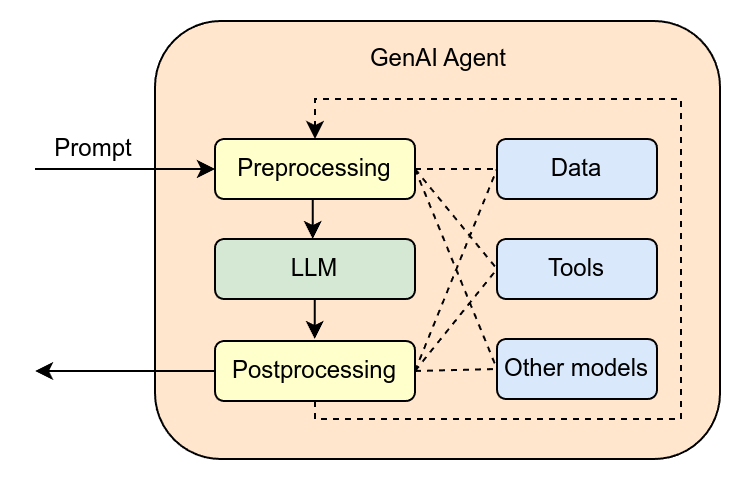
These components work together to create a flexible tool that can respond to a wide variety of linguistic tasks. Now, let's test your understanding of these core concepts.
What is the fundamental capability that allows a Large Language Model (LLM) to understand and generate human language?
Before the development of modern LLMs, tasks like machine translation and text summarization were typically handled by separate, specialized AI models.
By understanding these fundamentals, you have a solid base for exploring the more complex aspects of how these fascinating models are built and trained.