Exploring Jodogyan
Introduction to Etymology
The Secret Lives of Words
Every word you use has a story. Just like a person, a word has a birthplace, a family tree, and a history of travels and transformations. The study of these stories is called etymology. It's the detective work of digging into a word's past to understand where it came from, how it was formed, and why its meaning may have shifted over centuries.
etymology
noun
The study of the origin of words and the way in which their meanings have changed throughout history.
Understanding etymology helps us see language not as a fixed set of rules, but as a living, breathing thing. It's constantly growing and changing, shaped by the people who use it and the world they live in. By looking at a word's origins, we can often grasp its meaning more deeply.
How Words Are Made
New words pop up all the time. They don't just appear out of thin air; they are usually built from existing parts or borrowed from others. There are three main ways words come into being: borrowing, derivation, and compounding.
Borrowing is exactly what it sounds like: taking a word from another language. English is famous for this, having borrowed words from French, Latin, German, Hindi, and countless other languages. Over time, these borrowed words become a natural part of the language.
| Word | Language of Origin |
|---|---|
croissant | French |
kindergarten | German |
shampoo | Hindi |
algebra | Arabic |
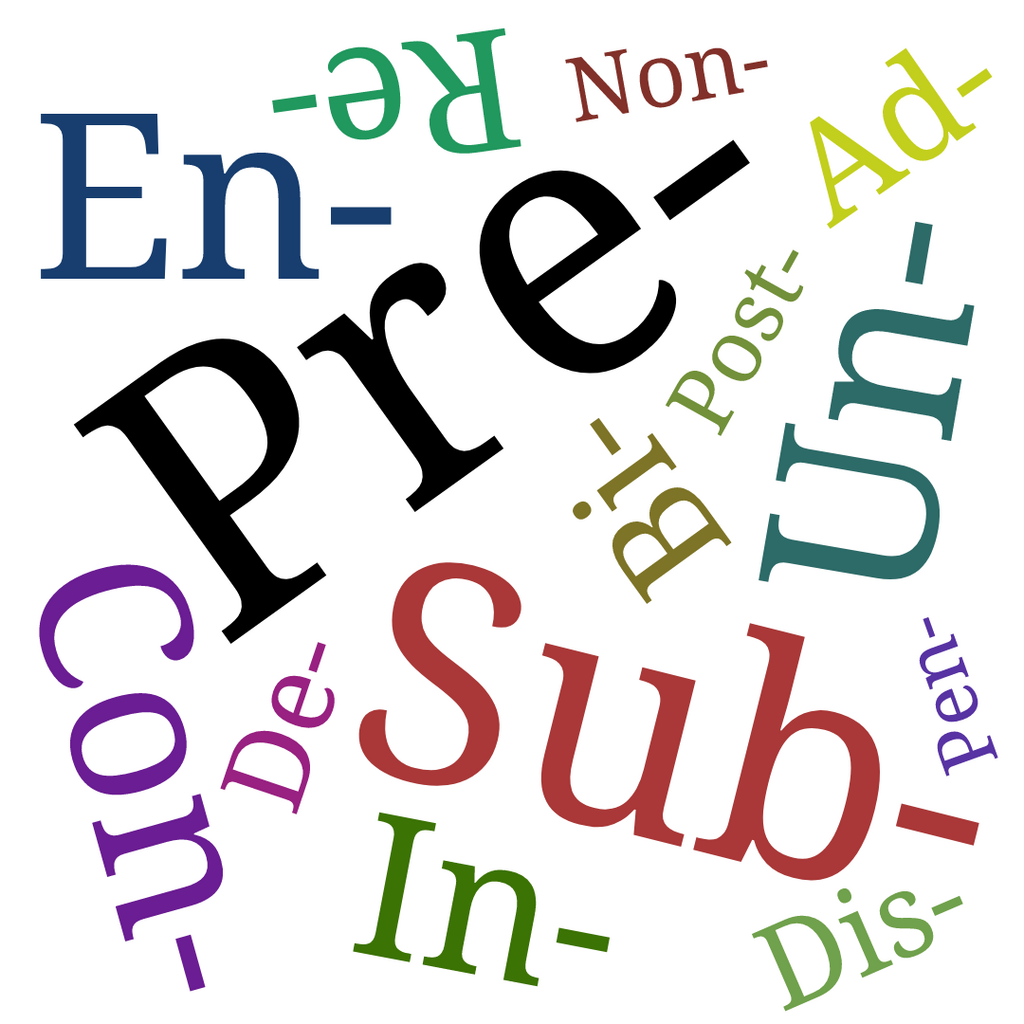
Derivation is the process of creating new words by adding small parts, known as affixes, to existing words. Prefixes are added to the beginning of a word (like un- in unhappy), and suffixes are added to the end (like -ness in happiness).
Compounding involves joining two or more whole words to create a new one. These are often so common that we don't think of them as separate parts.
Think of words like sun + flower = sunflower, or book + worm = bookworm. These compound words create a new meaning from the combination of their parts.
Language on the Move
Language is a mirror of culture and history. As societies evolve, so do their words. Major historical events, technological inventions, and social changes all leave their mark on our vocabulary. When cultures interact through trade, migration, or conquest, their languages inevitably mix and influence one another.
Think about the digital revolution. Decades ago, words like selfie, app, or unfriend didn't exist. Technology created new concepts and actions, and we needed new words to describe them. These words arose from a specific historical and cultural moment, showing how language adapts to our changing world.
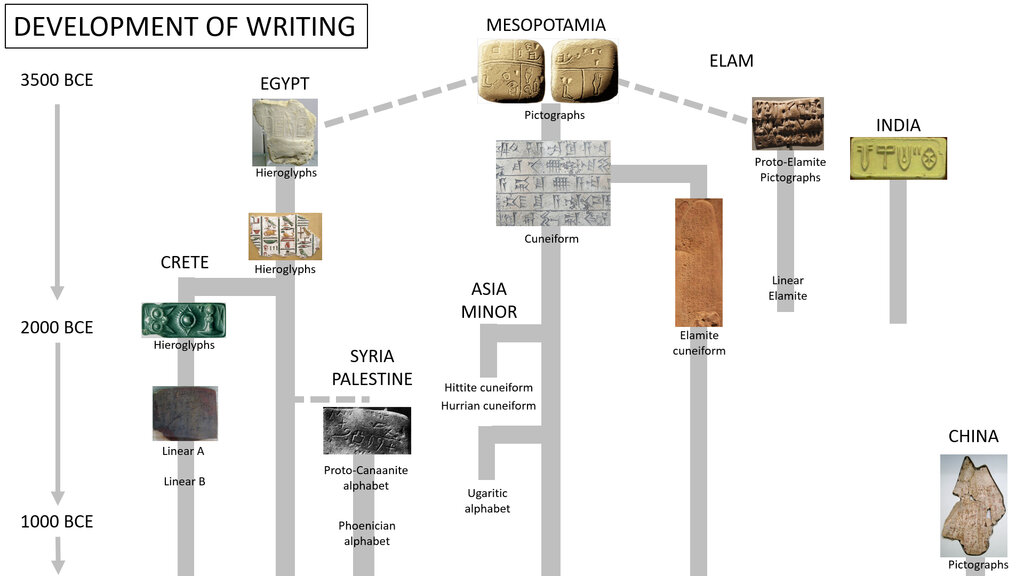
This process isn't new. The Roman Empire spread Latin across Europe, which later evolved into French, Spanish, and Italian. The Norman conquest of England in 1066 introduced thousands of French words into English, forever changing its vocabulary. Every word carries a piece of this human story.
What is the primary focus of etymology?
The word "unfriend" was created by adding a prefix to an existing word. This is an example of which process?