Exploring Jhāna
Introduction to Jhāna
Entering Deep Stillness
In the practice of meditation, the mind can sometimes reach a state of profound stillness and absorption. This state is known as Jhāna. It's not just relaxation; it's a deep, focused concentration where the usual chatter of the mind subsides, replaced by a powerful sense of calm and clarity.
Jhāna
noun
A state of deep meditative absorption or concentration achieved through sustained focus.
Think of your mind like the surface of a lake. On a normal day, it's rippled by the winds of thoughts, worries, and distractions. Jhāna is like the moment the wind stops completely. The water becomes perfectly still, reflecting everything with perfect clarity. This mental stillness isn't empty; it's often filled with feelings of profound joy, contentment, and equanimity. It's a state where the mind is unified and powerfully focused.
As the concentration of the mind becomes deeper and deeper, different stages of calmness and joy called Jhana or deep mental absorptions arise which are free from any mental hindrances.
A Tool for Insight
The practice of Jhāna has been a central part of Buddhist meditation since its earliest days. The Buddha himself is said to have used these states of deep absorption on his path to enlightenment. He taught them not as an escape, but as a way to cultivate a mind that is stable, clear, and ready for deep investigation.
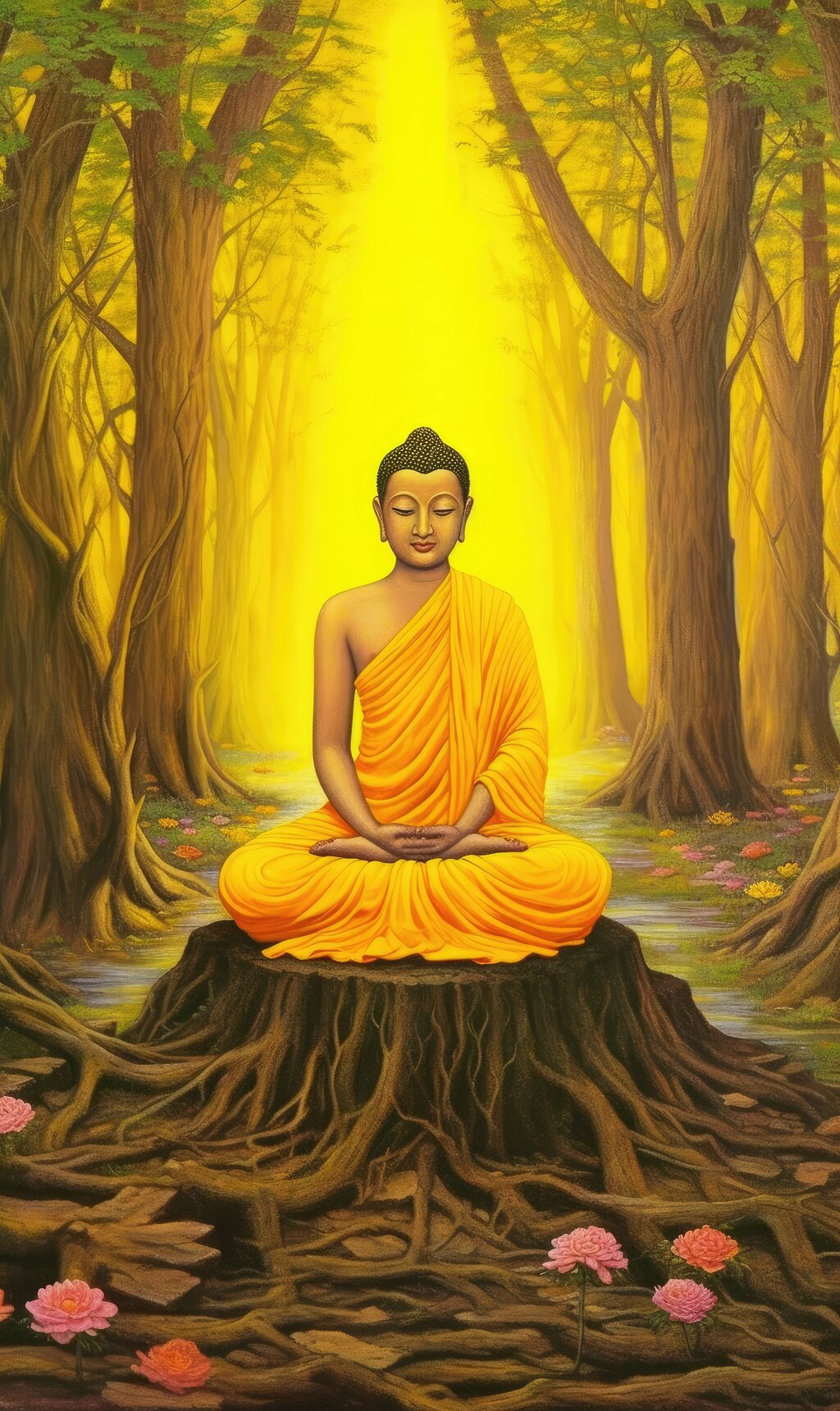
Why is this deep concentration so important? A mind sharpened by Jhāna is an incredibly effective tool. When the mind is calm and collected, it's able to see things as they truly are, without the distortion of restlessness or agitation. This stability allows a meditator to develop insight, or Vipassanā, into the nature of reality.
Jhāna isn't the final goal of the path. Instead, it's a way of preparing the mind for the work of liberation.
By achieving these states, practitioners can temporarily quiet the mental factors that usually cause suffering. This provides both a profound sense of peace and a unique vantage point from which to understand the workings of their own minds. This understanding is a key step on the path toward freedom from suffering.
Let's check your understanding of these core ideas.
What is the defining characteristic of the mental state known as Jhāna?
In the analogy provided, if the mind is like a lake, what does Jhāna represent?
Mastering the concepts around Jhāna provides a foundation for understanding deeper meditative practices.