Exploring Japanese Textiles
Early Textile History
Ancient Threads
The story of Japanese textiles begins long before written records, with materials sourced directly from nature. During the Jomon period, people crafted fabrics from bast fibers, the tough, woody fibers found in the stems of plants like hemp and ramie. Archaeologists have found fragments of woven baskets and simple textiles dating back thousands of years, revealing an early mastery of twining and braiding.
The subsequent Yayoi period saw advancements in agriculture and technology, which extended to textiles. Weaving techniques became more refined, likely with the introduction of primitive looms. While plant fibers remained the primary material, the quality and complexity of the cloth improved, serving practical needs for clothing and household goods.
By the Kofun period, a clearer picture of clothing emerges, thanks in part to clay tomb figures called haniwa. These figures, often depicting warriors and court ladies, show distinct garments like tunics and trousers, suggesting a more structured and socially significant role for clothing. The textiles themselves, though rarely preserved, likely reflected the growing social hierarchy of the time.
Bast fiber
noun
Strong, woody fiber obtained from the phloem or 'inner bark' of certain plants, such as flax, hemp, ramie, and jute. These fibers are known for their durability and were among the first materials used for textiles.
Continental Designs Arrive
The Asuka and Nara periods marked a transformative era for Japanese textiles, driven by intense cultural exchange with mainland Asia. The introduction of Buddhism from China and Korea brought with it not just new philosophies, but also new artistic styles, technologies, and luxury goods. Among the most prized of these was silk.
While silk may have existed in Japan earlier, this period saw the formal establishment of —the cultivation of silkworms. With a domestic supply of silk, Japanese weavers could begin to replicate and adapt the sophisticated textiles of the continent. Imperial workshops were established to produce high-quality fabrics for the aristocracy and for religious purposes.
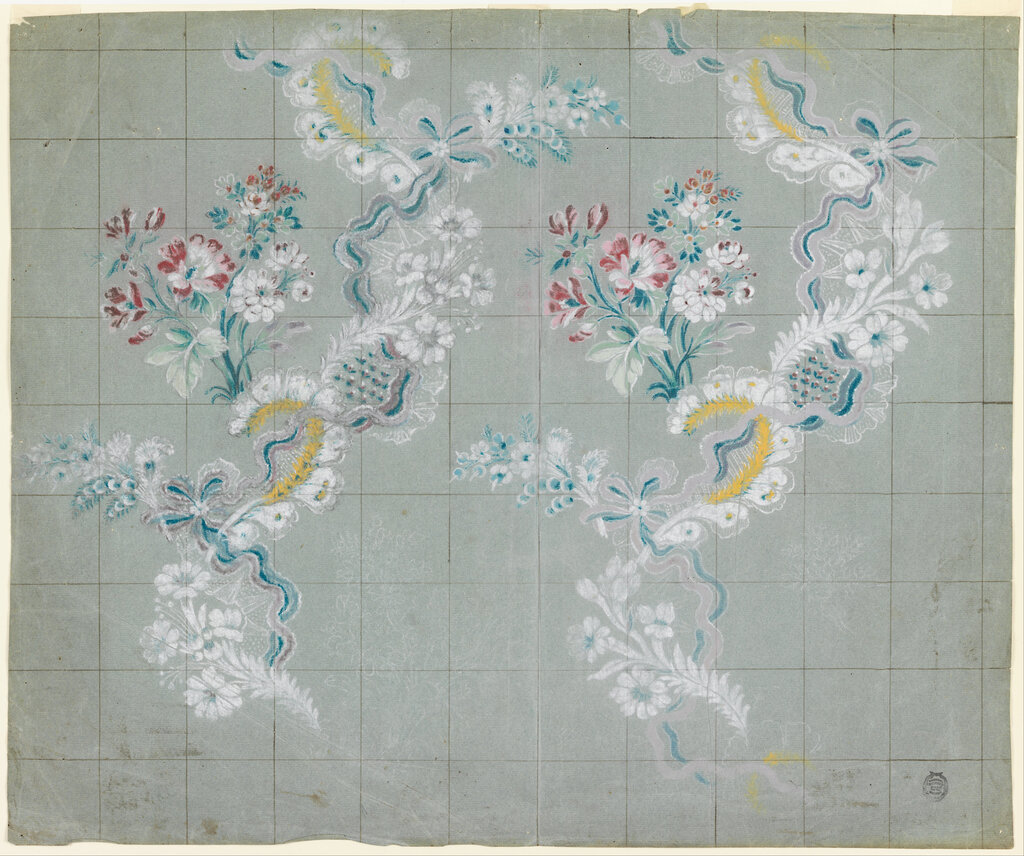
This influx of technology included advanced looms, such as the multi-harness loom and the drawloom. These tools allowed for the creation of intricate patterned textiles like nishiki, a multi-colored brocade, and rinzu, a figured silk damask. For the first time, Japanese artisans could create complex, pictorial designs directly in the weave of the fabric, rather than relying solely on dyeing or embroidery. The Shōsō-in Repository in Nara today holds a priceless collection of textiles from this era, showcasing a stunning variety of techniques and international influences.
An Age of Elegance
The Heian period is renowned for its refined court culture, and its textiles were a primary form of aesthetic expression. As Japan began to develop its own distinct cultural identity, court attire became increasingly elaborate. The most iconic example of this is the jūnihitoe, or "twelve-layered robe," worn by court ladies.
This garment wasn't literally twelve separate robes, but a complex ensemble of multiple layered silk garments. The artistry lay in the subtle combination of colors, known as kasane no irome. Each color combination had a specific name and was associated with a particular season, plant, or occasion. The skill of a noblewoman was judged by her ability to select and display these colors with taste and sensitivity, with just the edges of the layers visible at the neckline and sleeves.
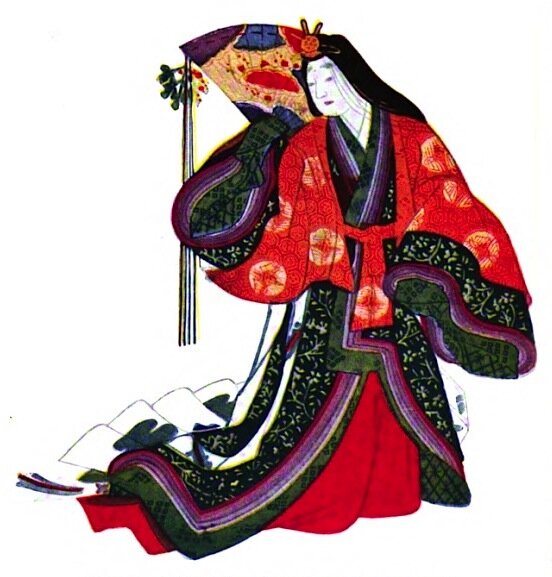
Men's court dress was similarly formal, though less layered. Textiles were made from the finest silks, often decorated with woven or embroidered patterns of flowers, birds, and geometric motifs. Fabric was not just clothing; it was a language of status, taste, and seasonal awareness.
The Warrior's Wardrobe
The rise of the samurai class and the establishment of a military government in Kamakura shifted the cultural focus away from the refined aesthetics of the Heian court. The Kamakura and Muromachi periods saw the emergence of a new style of textile—one that was more practical, durable, and suited to a warrior's lifestyle.
While the aristocracy still wore silk, materials like hemp and ramie saw a resurgence in popularity for everyday wear and military garments. Armor was held together with sturdy silk and leather cords, and the undergarments worn beneath it needed to be robust. Designs became bolder and more graphic, often featuring family crests (mon) or motifs associated with strength and martial prowess, like dragonflies or lions.
This era wasn't devoid of artistry, however. New forms of expression emerged, influenced by Zen Buddhism. The subtle beauty of indigo dyeing and the restrained elegance of textiles used in the tea ceremony reflected a different kind of aesthetic—one focused on simplicity, nature, and discipline. These developments laid the groundwork for the explosion of textile creativity that would define the subsequent Edo period.
Now, let's test your knowledge of this rich history.
What were the primary materials used for making fabrics during Japan's Jomon period?
What archaeological artifacts from the Kofun period give us the clearest idea of the clothing styles of that era?
From the simplest plant fibers to the most complex courtly silks, the textiles of early Japan tell a story of innovation, adaptation, and enduring artistry.