Exploring Italy
Introduction to Italy
The Shape of Italy
Italy is a peninsula in Southern Europe famous for its boot-like shape. It juts out into the central Mediterranean Sea, a location that has been crucial throughout its long history. To the north, the Alps form a natural border with France, Switzerland, Austria, and Slovenia. The rest of the country is surrounded by water: the Ligurian and Tyrrhenian Seas to the west, the Ionian Sea to the south, and the Adriatic Sea to the east.
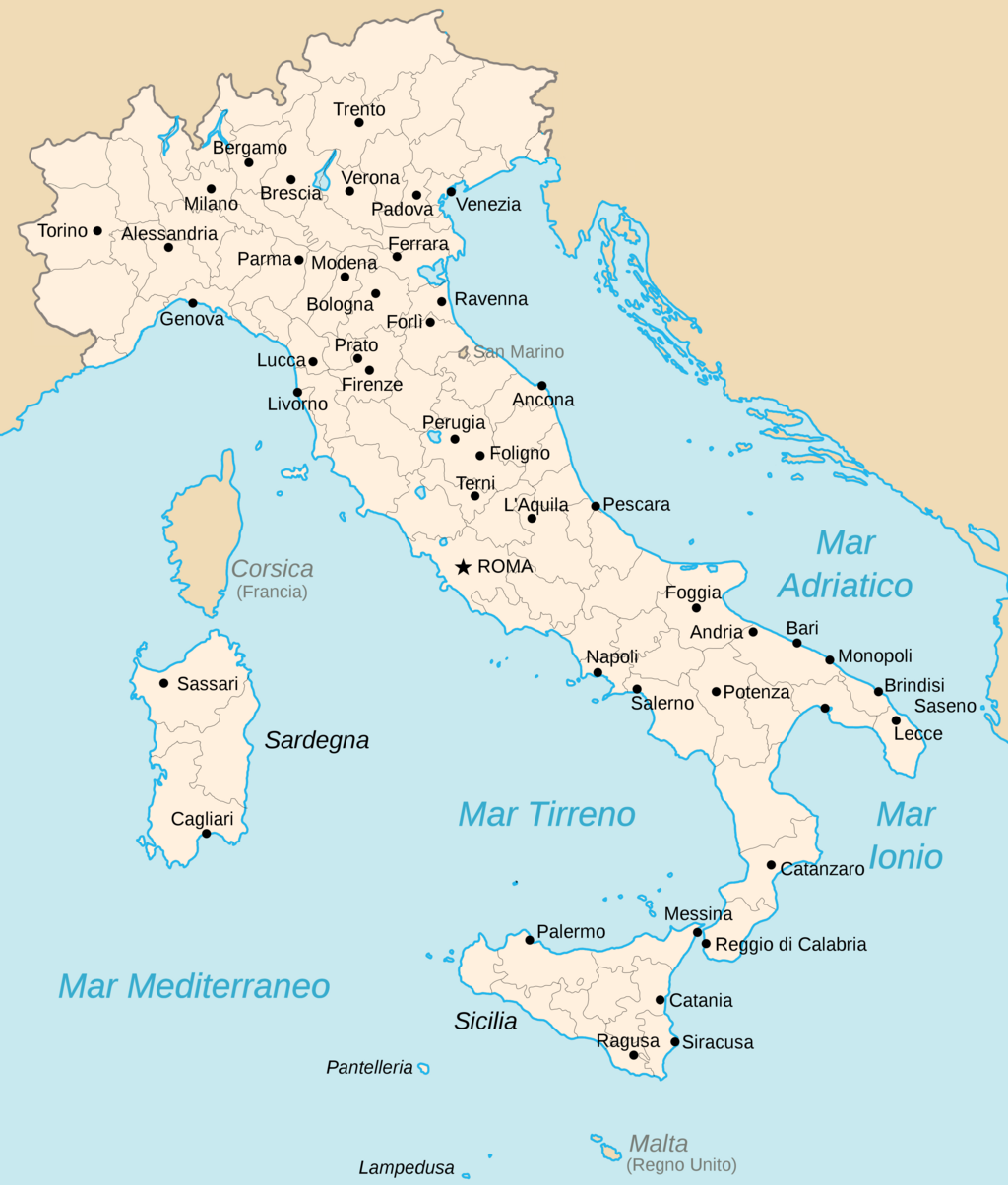
This unique geography gives Italy a vast coastline dotted with famous cities, small villages, and beautiful beaches. The country also includes two large islands, Sicily and Sardinia, along with numerous smaller ones like Capri and Elba.
A Country of Regions
Administratively, Italy is divided into 20 distinct regions, each with its own unique identity, traditions, and even cuisine. These regions can be grouped into three main areas: Northern, Central, and Southern Italy.
Northern Italy is the industrial and economic heartland, home to the Alps and the fertile Po Valley. Central Italy is known for its rolling hills, historic art cities, and the nation's capital. Southern Italy, including the islands, boasts a warmer climate, ancient ruins, and stunning coastlines.
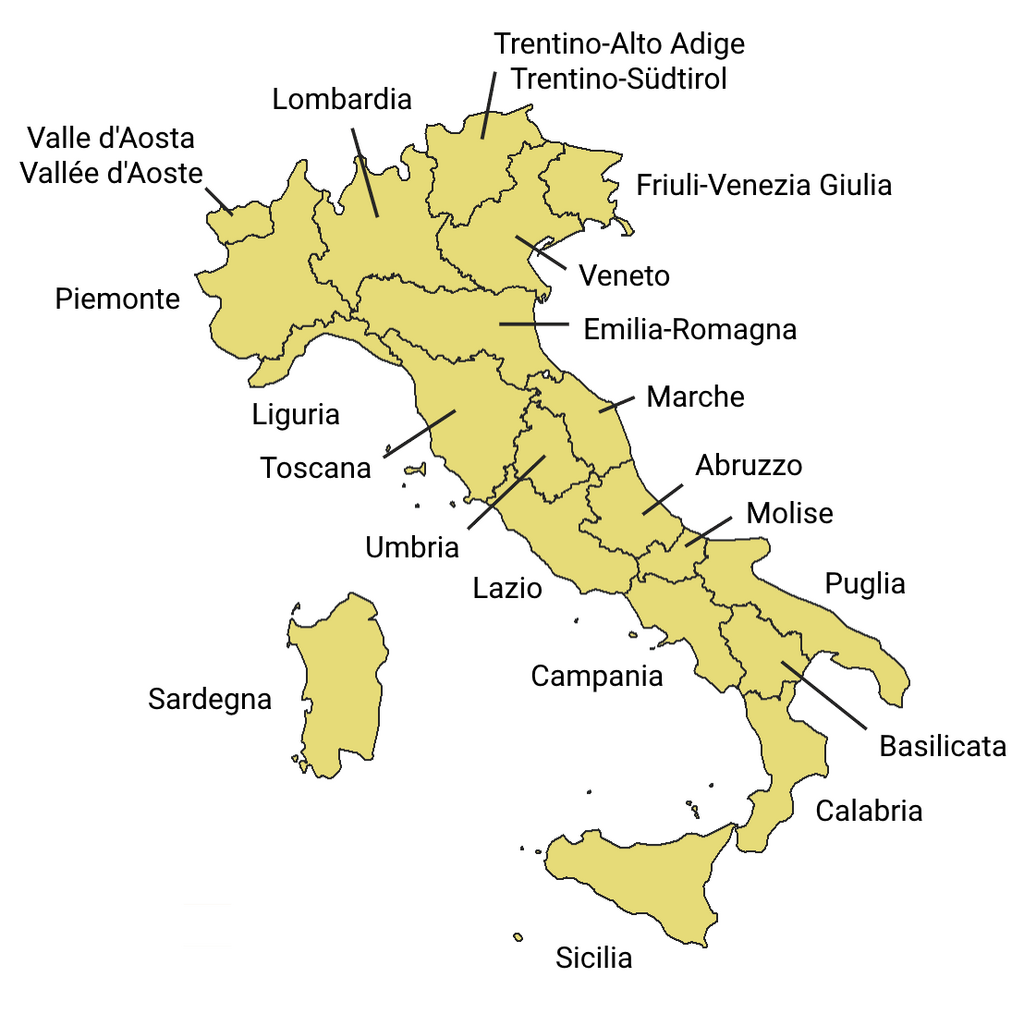
Here are some of Italy's most well-known cities and the regions where you can find them.
| City | Region |
|---|---|
| Rome | Lazio |
| Milan | Lombardy |
| Venice | Veneto |
| Florence | Tuscany |
| Naples | Campania |
| Palermo | Sicily |
From Mountains to Coasts
Italy's landscape is incredibly varied. The north is dominated by the towering Alps, a paradise for skiers and hikers. Just south of the Alps lies the Po Valley, a large, flat, and fertile plain that is Italy's agricultural center.
Running down the spine of the peninsula are the Apennine Mountains. They create a rugged interior and separate the western and eastern coastal plains. The country also has several famous volcanoes, including Mount Vesuvius near Naples and Mount Etna on Sicily, which is one of the most active volcanoes in the world.
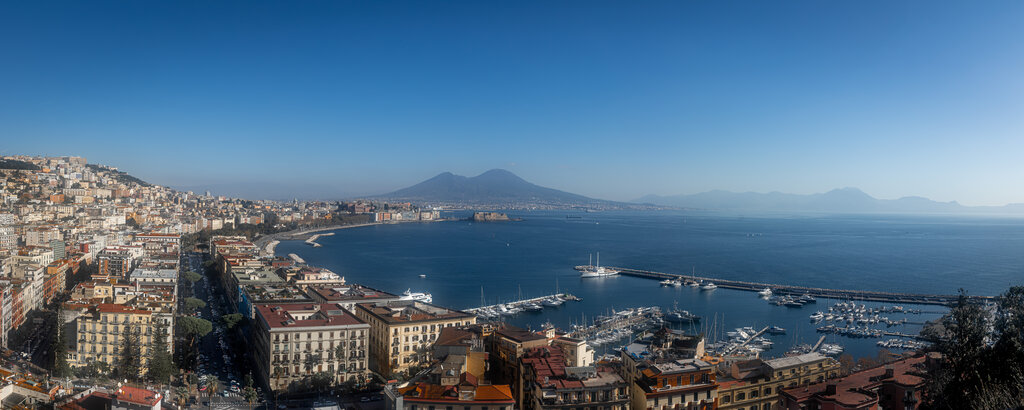
This geographical diversity leads to a range of climates. The north has cold winters and warm summers, while the south enjoys a classic Mediterranean climate with mild winters and hot, dry summers. This variety in landscape and climate has shaped not only Italy's history and economy but also the lifestyle of its people.
With this geographical tour in mind, you're ready to explore what makes Italy's culture and language so rich.