Exploring Islam
Introduction to Islam
The Messenger in the Cave
Islam began in the 7th century in the Arabian Peninsula, a region of vast deserts and bustling trade routes. At its heart was the city of Mecca, a center for both commerce and diverse religious practices. Most of the local Arab tribes were polytheistic, worshipping many gods and idols. The Kaaba, a cube-shaped building in Mecca, housed many of these idols and was a major site of pilgrimage.
Into this world, around the year 570 CE, a man named Muhammad was born. He belonged to the Quraysh, the leading tribe of Mecca. Orphaned at a young age, he was raised by his uncle, Abu Talib. As a young man, Muhammad became known for his honesty and trustworthiness, earning him the nickname Al-Amin, or 'the trustworthy one'. He worked as a merchant, traveling on trade caravans, which exposed him to different cultures and monotheistic beliefs like Judaism and Christianity.
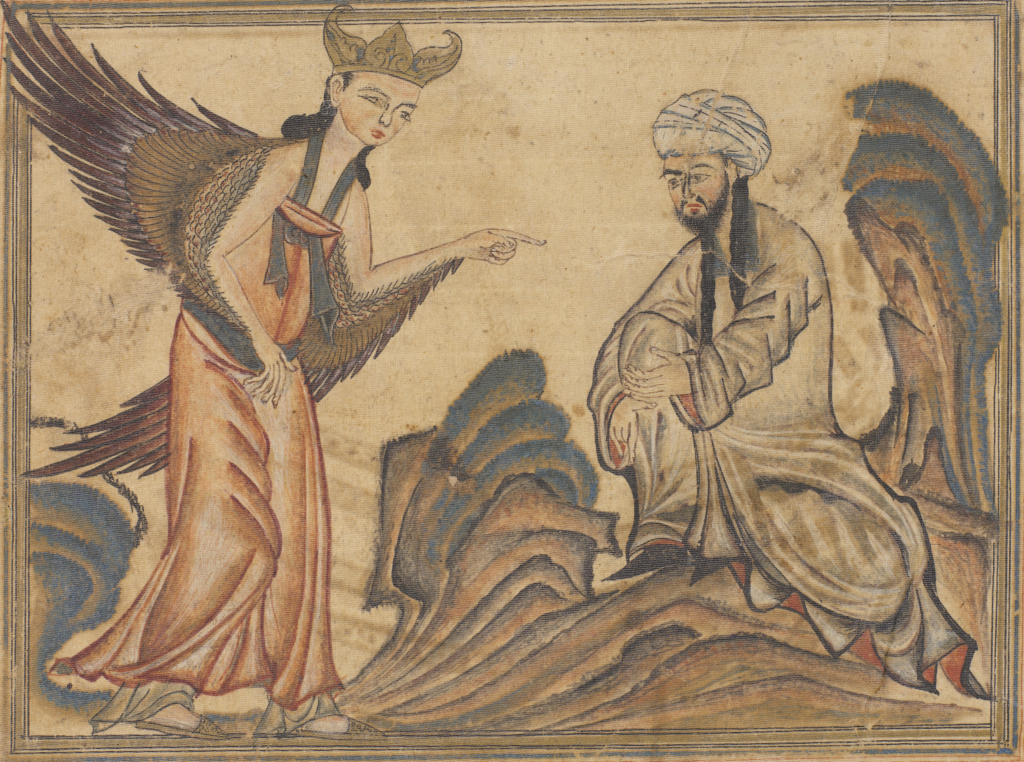
Muhammad was a reflective person. He often retreated to a cave on Mount Hira, near Mecca, to meditate. It was during one of these retreats, in the year 610, that his life changed forever. According to Islamic tradition, while meditating in the cave, he was visited by the angel Gabriel.
The angel commanded him, 'Recite!' Muhammad, who was illiterate, replied that he could not. The angel repeated the command twice more before revealing the first verses of what would become Islam's holy book.
The Message and the Migration
The message Muhammad received was radical for its time and place: there is only one God, Allah, and people should submit to His will. This core belief is known as Tawhid. Initially, Muhammad shared his revelations only with his wife, Khadijah, and a small circle of close friends and family. They became the first Muslims, or 'ones who submit to God'.
Allah
noun
The Arabic word for God, used by Muslims as well as Arabic-speaking Christians and Jews. It refers to the one, all-powerful creator.
After about three years, Muhammad began preaching publicly in Mecca. His message of monotheism, social justice, and accountability in the afterlife challenged the city's social and religious order. He condemned idol worship, which threatened the economic interests of the Quraysh tribe, who profited from the pilgrimages to the Kaaba. As his following grew, so did the opposition. His followers, many of whom were poor and from lower social classes, faced persecution, ridicule, and violence.
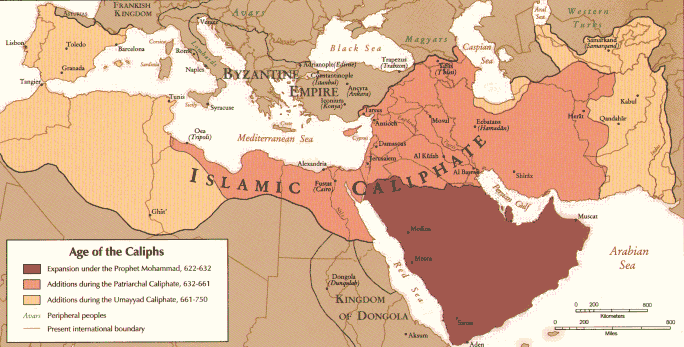
The situation became unbearable. In 622 CE, Muhammad and his followers made a crucial journey from Mecca to the city of Yathrib, about 200 miles north. This event, known as the Hijra, or migration, was a turning point. It marks the beginning of the Islamic calendar. The city of Yathrib was renamed Medina, 'the city of the Prophet', and there Muhammad established the first Muslim community, or ummah.
The Revelation of the Quran
The revelations Muhammad received from the angel Gabriel did not happen all at once. They continued for the rest of his life, over a period of about 23 years. These divine messages form the text of the Quran, Islam's holy book.
The Quran was revealed gradually over 23 years to the Prophet Muhammad (peace be upon him) in Arabic, and its revelations were often in response to specific situations or questions faced by the early Muslim community.
Since Muhammad could not read or write, he would recite the verses to his companions, who memorized them and wrote them down on whatever materials were available, like palm leaves, stones, and pieces of leather. The Quran is considered by Muslims to be the literal word of God, not Muhammad's own writing. It provides guidance on all aspects of life, from matters of faith and worship to ethics and law.
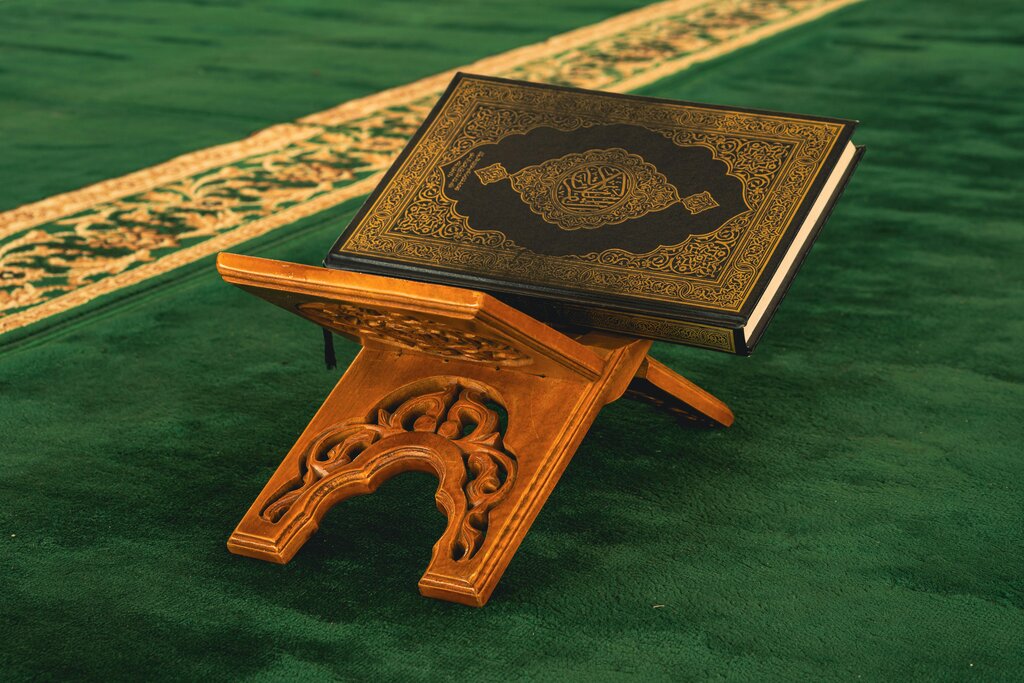
The revelations were compiled into a single book shortly after Muhammad's death in 632 CE. The third caliph, Uthman, later standardized the text to ensure a single, authoritative version was used throughout the growing Islamic empire. The language of the Quran is Arabic, and its poetic and powerful style is considered a literary masterpiece.
What was the dominant religious practice in Mecca at the time of Muhammad's birth?
The core message Muhammad received in his first revelation is known as Tawhid. What does this concept mean?
From these humble beginnings in the Arabian Peninsula, Islam grew into a major world faith, shaping cultures and civilizations across the globe.