Exploring 'Hel'
Introduction to Norse Mythology
The World of the Vikings
Norse mythology is the collection of stories and beliefs from the Scandinavian peoples during the Viking Age, roughly from the late 8th to the 11th century. These tales weren't just entertainment; they were a way of understanding the world, from the changing of the seasons to the mysteries of life and death. The stories we know today come mainly from two medieval Icelandic texts: the Poetic Edda, a collection of anonymous poems, and the Prose Edda, written by the scholar Snorri Sturluson.
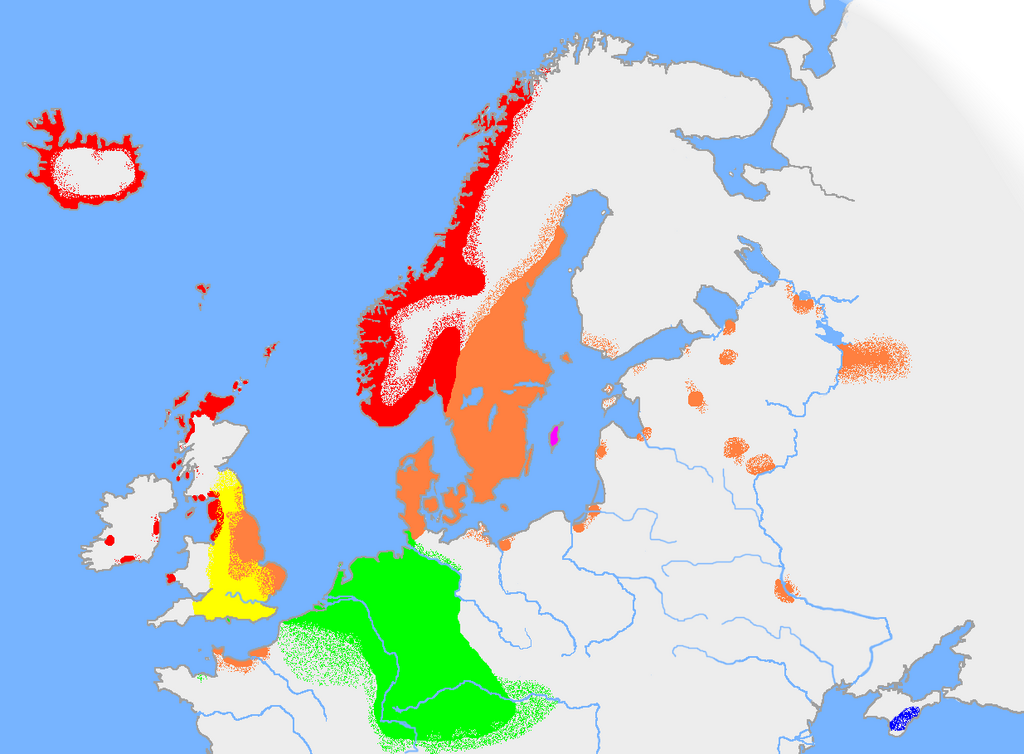
These myths paint a picture of a harsh, beautiful, and ultimately finite world, where even the gods face their own mortality. It's a world shaped by honor, fate, and the constant struggle between order and chaos.
The Gods of Asgard
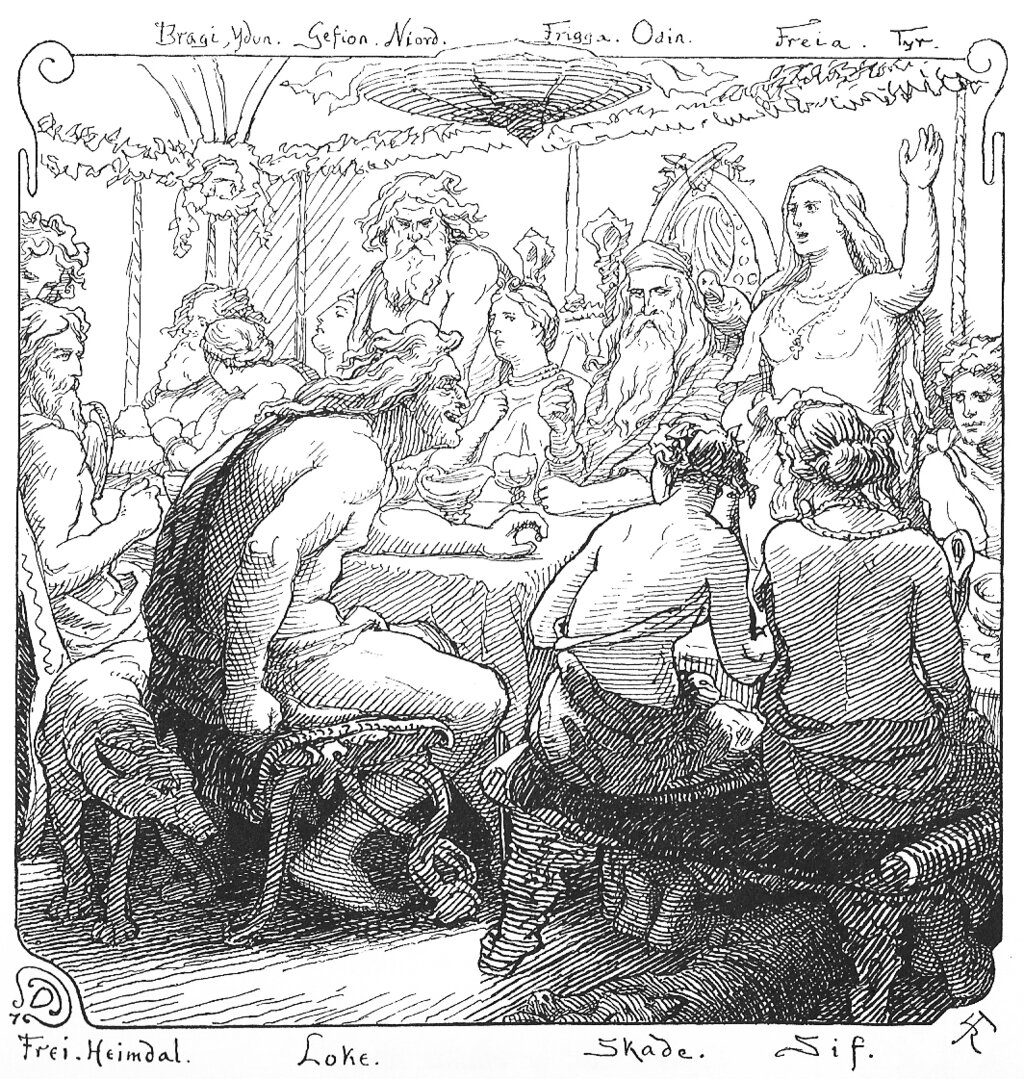
The Norse pantheon is divided into two main families of gods: the Æsir and the Vanir. The Æsir, led by Odin, are generally associated with war, power, and justice. The Vanir, on the other hand, are connected to nature, fertility, and prosperity. After a long war, the two tribes made peace and exchanged members, living together in the realm of Asgard.
| God/Goddess | Domain | Key Facts |
|---|---|---|
| Odin | The Allfather; god of wisdom, war, poetry, and death. | Sacrificed an eye for wisdom. Often travels in disguise. |
| Thor | God of thunder, lightning, and storms. Protector of humanity. | Wields the mighty hammer Mjölnir. Rides a chariot pulled by goats. |
| Loki | The trickster god. A giant who lives among the Æsir. | A complex figure who both helps and hinders the gods. |
| Frigg | Odin's wife. Queen of the Æsir. | Goddess of marriage, family, and prophecy. |
| Freyja | A Vanir goddess living in Asgard. | Goddess of love, beauty, fertility, and a form of magic called seiðr. |
These are just a few of the main figures. The Norse pantheon is filled with dozens of other gods, goddesses, and mythical beings, each with their own stories and roles to play in the grand cosmic drama.
The Nine Worlds
The Norse cosmos is not a single place but a collection of nine distinct realms, all connected and supported by a massive ash tree called Yggdrasil. This World Tree is the axis of the universe, with its roots deep in the primordial past and its branches reaching into the heavens.
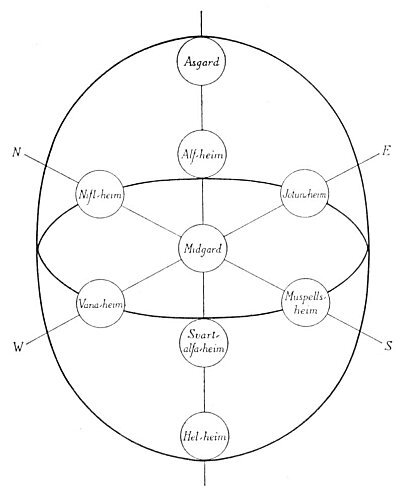
The Nine Worlds are distinct places, each with its own inhabitants and characteristics. The most well-known include:
- Asgard: The fortified home of the Æsir gods.
- Midgard: "Middle Earth," the world of humans, connected to Asgard by the rainbow bridge, Bifröst.
- Jötunheimr: The land of the giants, or jötnar, the primary adversaries of the gods.
- Niflheim: A dark, cold world of ice and mist.
- Muspelheim: A fiery realm, home to the fire giants.
This structure creates a universe of constant tension, with the gods of Asgard defending their orderly world against the chaotic forces of the giants and other primal beings.
Fate and the Afterlife
A central theme in Norse mythology is the concept of fate, or Wyrd. Fate is a powerful force that no one, not even Odin, can escape. At the base of Yggdrasil sit three powerful female beings known as the Norns, who weave the destinies of all living things. The lives of gods and mortals are threads in their cosmic tapestry.
Wyrd
noun
A concept in Anglo-Saxon and Norse culture roughly corresponding to fate or personal destiny.
The Norse view of the afterlife was varied. Warriors who died bravely in battle were chosen by Odin's valkyries to feast in the great hall of Valhalla, where they would prepare for the final battle. Others went to different realms after death, depending on their life and manner of passing.
This sense of an inescapable destiny culminates in the prophecy of Ragnarök, the "Doom of the Gods." This is not an end, but a violent rebirth. In this cataclysmic event, the greatest gods and their monstrous foes will kill each other, and the world will be consumed by fire and flood. But from the ruins, a new, green world will emerge, and a handful of surviving gods and two human beings will begin a new cycle.
What are the two primary medieval Icelandic texts from which most of our knowledge of Norse mythology is derived?
Which family of gods, primarily associated with nature, fertility, and prosperity, warred with the Æsir before making peace and joining them?
This framework of gods, worlds, and destiny forms the foundation of Norse mythology. It's a worldview that embraces struggle, acknowledges the certainty of death, and finds meaning in courage and honor in the face of an unchangeable fate.