Exploring Google's Gemini AI
Introduction to AI and Machine Learning
What Is AI Anyway?
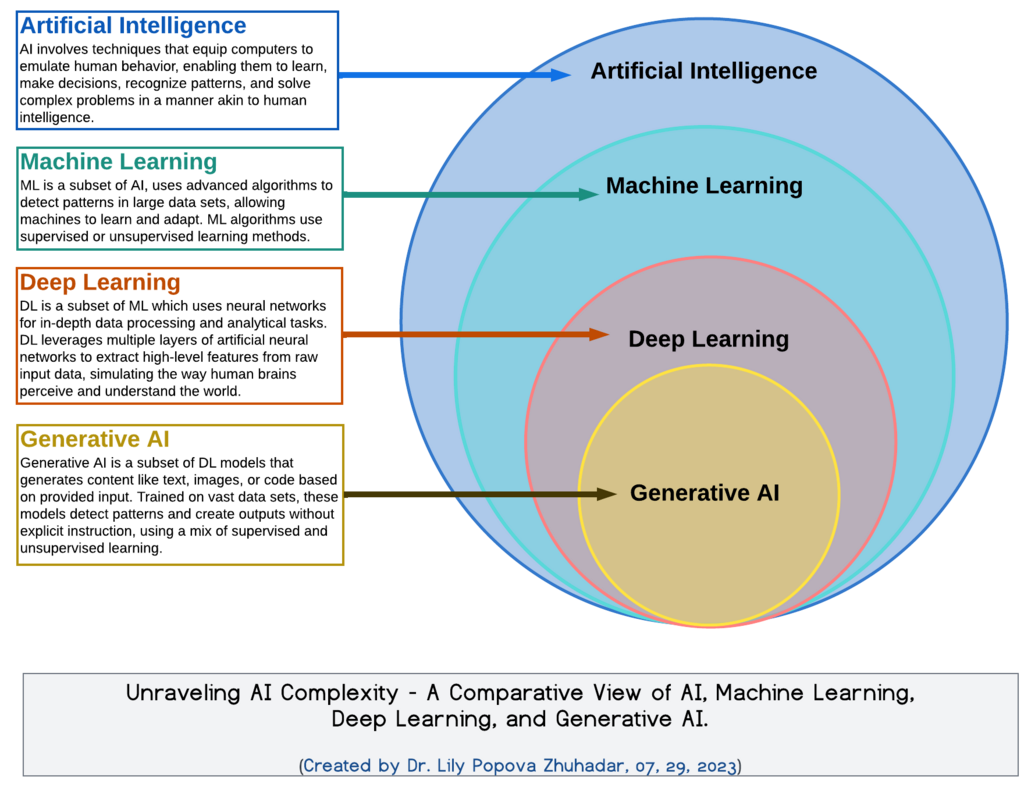
Artificial intelligence (AI) is the broad science of making machines smart. The goal is to create computer systems that can perform tasks that usually require human intelligence, like understanding language, recognizing images, and making decisions. It’s a huge field that has been around for decades.
Within AI, there’s a subfield called machine learning (ML). Instead of being explicitly programmed with rules for every possible situation, a machine learning model learns from data. Think of it this way: you could teach a child what a cat is by describing it (whiskers, pointy ears, a tail). That’s like traditional programming. Or, you could show them hundreds of pictures of cats until they learn to recognize one on their own. That’s machine learning.
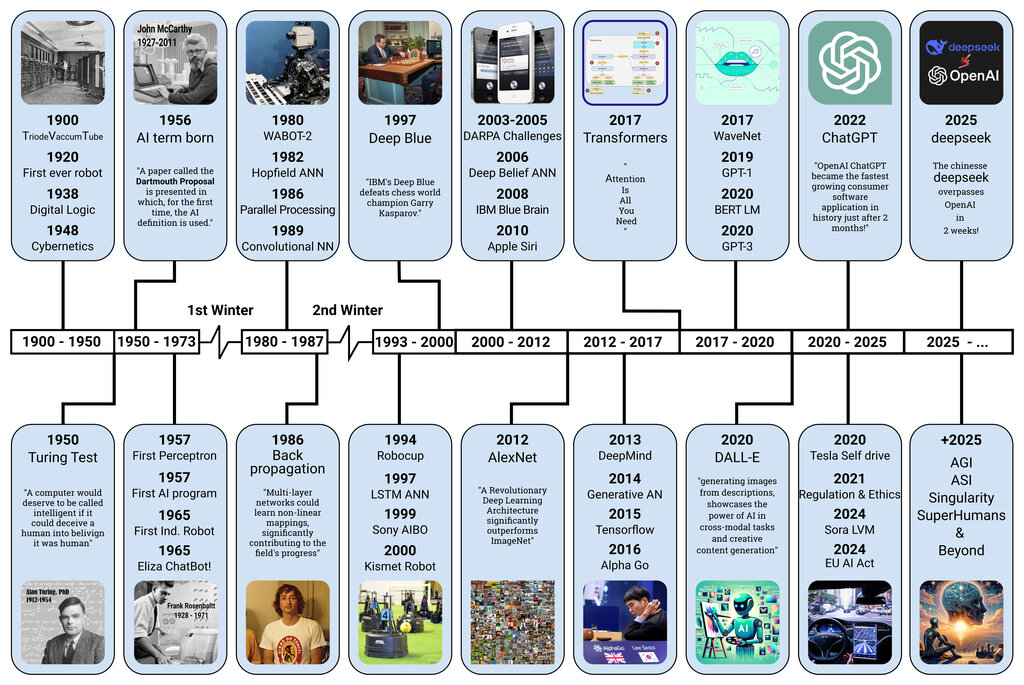
The dream of intelligent machines isn't new. The term "artificial intelligence" was coined back in 1956. Early AI focused on rule-based systems, which worked for simple, well-defined problems like playing checkers. But they were brittle; if a situation came up that wasn't covered by the rules, the system would fail. The real breakthrough came when researchers focused on letting machines learn for themselves, powered by increasing amounts of data and computing power.
How Machines Learn
Machine learning models are trained, not programmed. This training process involves feeding the model vast amounts of data so it can recognize patterns. There are two primary ways this happens: supervised and unsupervised learning.
Supervised learning uses labeled data. The model learns by comparing its predictions to the correct answers, adjusting itself until it becomes accurate.
A classic example is a spam filter for your email. It's trained on a dataset of thousands of emails, each one labeled as either "spam" or "not spam." The model learns the features associated with spam (like certain keywords or sender addresses) and uses those patterns to classify new, incoming emails. It learns from a "supervisor"—the labeled data.
Unsupervised learning uses unlabeled data. The model's job is to find hidden structures or patterns in the data on its own, without any predefined answers.
Imagine an e-commerce company wants to understand its customers. It could use an unsupervised learning model to analyze purchasing data. The model might discover natural groupings, or clusters, of customers who buy similar products. For example, it might identify a group of "weekend gardeners" and another of "new parents." The company can then use these insights for targeted marketing, without ever telling the model what to look for.
The Brain of the AI
One of the most powerful techniques in machine learning is the use of neural networks, which are computing systems loosely inspired by the structure of the human brain. A neural network is made up of interconnected nodes, or "neurons," organized in layers.
When a neural network has many layers stacked between the input and output layers, it's called deep learning. This "depth" allows the model to learn incredibly complex patterns from data. Early layers might learn to recognize simple features like edges or colors in an image, while deeper layers combine these to recognize more complex concepts like faces or objects. Deep learning is the technology behind many of today's most impressive AI achievements, from self-driving cars to medical image analysis.
The Rise of Language Models
A particularly exciting application of deep learning is in understanding human language. Large language models (LLMs) are a type of AI trained on massive amounts of text data from the internet, books, and other sources. This vast training allows them to understand grammar, context, facts, and even reasoning.
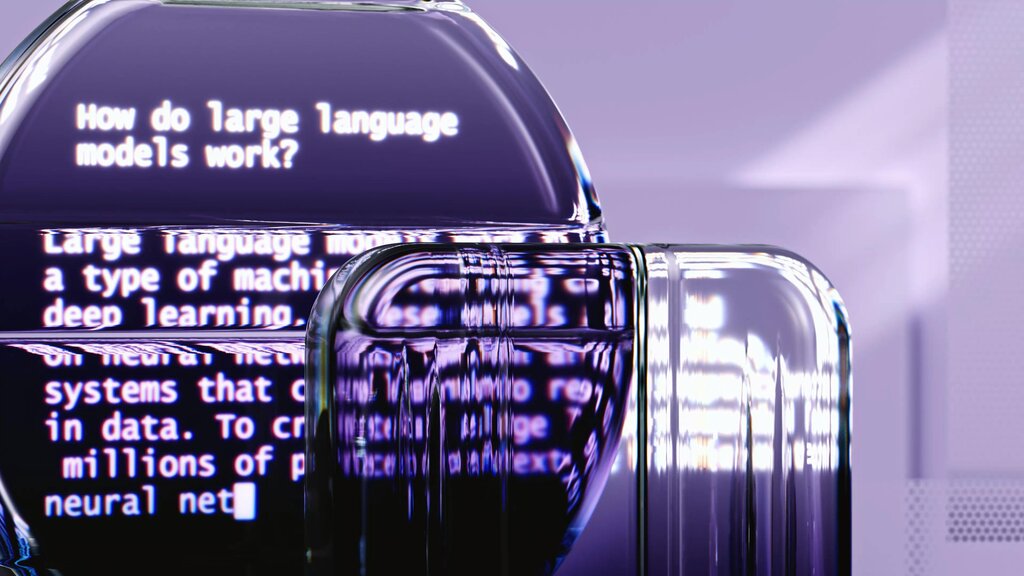
LLMs can perform a wide range of tasks, like writing essays, translating languages, summarizing articles, and writing computer code. They work by predicting the next most likely word in a sequence, building up sentences and paragraphs that are coherent and contextually relevant. This capability has opened up a new era of conversational AI and creative tools.
Large language models (LLMs) are AI systems that understand and create human language, doing tasks like summarizing articles, answering questions, writing code, and more.
These foundational concepts—AI, machine learning, neural networks, and LLMs—are the building blocks of modern intelligent systems. Understanding them is the first step to grasping how today's advanced AI models work.
Ready to check your understanding?
What is the primary relationship between artificial intelligence (AI) and machine learning (ML)?
Early AI systems, such as those for playing checkers, often failed when faced with a situation not covered by their instructions. This is because they were primarily...
With this foundation in place, you're ready to explore more specific and powerful AI models.