Exploring French Culture
Ancient Gaul
The Land of the Gauls
Before France was France, the region was known as Gaul. It wasn't a single, unified country but a collection of territories inhabited by numerous Celtic tribes. These groups, often called Gauls by the Romans, shared similar languages, religious beliefs, and cultural practices. They were skilled farmers, fierce warriors, and talented artisans, known for their intricate metalwork.
Society was structured around clans and larger tribal confederations. While they had thriving settlements and complex trade networks, they lacked the centralized political structure of their southern neighbors, the Romans. This patchwork of independent, and sometimes rival, tribes made the region a tempting target for the organized Roman military machine.
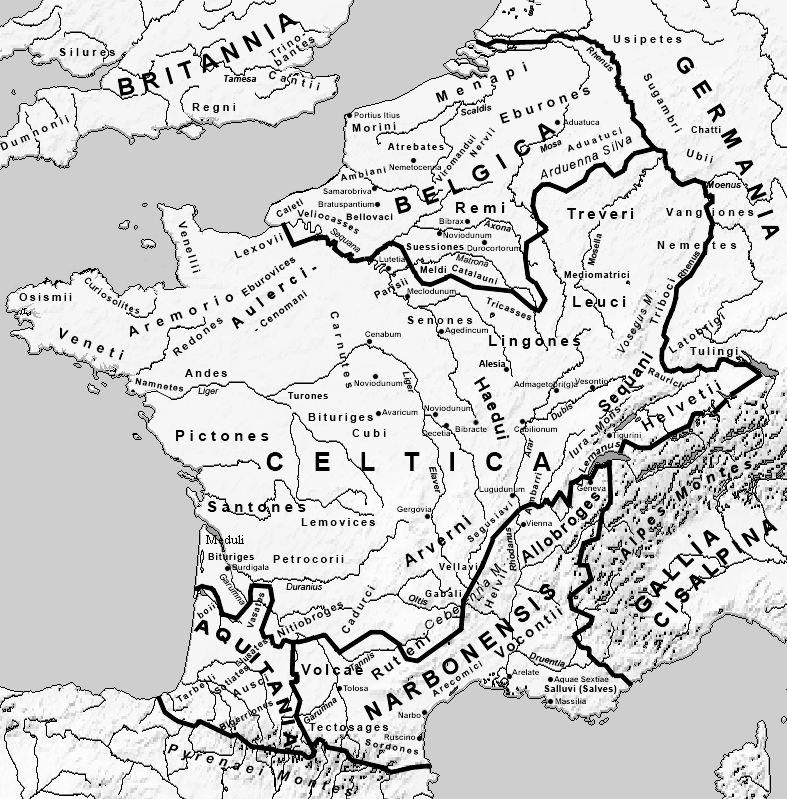
For centuries, Gauls and Romans interacted through trade and occasional conflict. But in the middle of the 1st century BCE, this relationship was about to change dramatically.
Caesar's Conquest
In 58 BCE, a Roman general named Julius Caesar arrived with his legions. Using a mix of brilliant military tactics, diplomacy, and brute force, he began a systematic conquest of the Gallic tribes. The Gallic Wars, which Caesar himself documented, lasted nearly a decade.
The Gauls did not submit easily. They mounted fierce resistance, culminating in a large-scale revolt in 52 BCE led by the chieftain Vercingetorix. He managed to unite many of the warring tribes against their common enemy. For a time, it seemed he might succeed. The decisive confrontation came at the siege of Alesia, where Caesar's masterful engineering and tactical discipline won the day. Vercingetorix was defeated, and organized Gallic resistance crumbled.
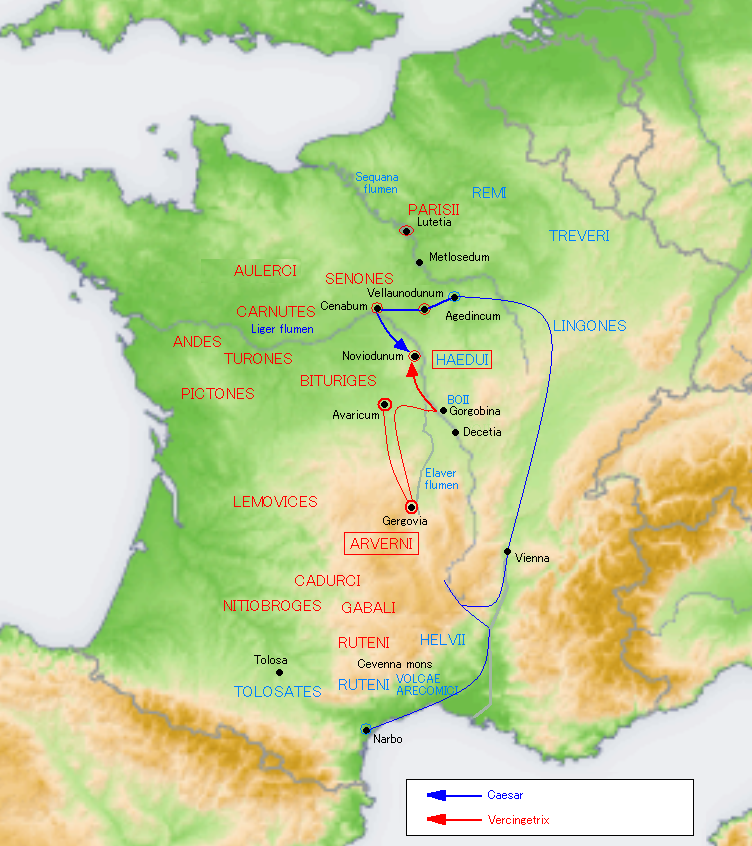
By 50 BCE, all of Gaul was under Roman control. The conquest was complete, but the transformation of Gallic society was just beginning.
The Gallo-Roman World
With Gaul secured, a process of Romanization began. This wasn't just about military occupation; it was a deep cultural fusion. The Romans established new cities, built roads and aqueducts, and introduced their systems of law and governance. Over several generations, the local Celtic culture blended with Roman customs to create a unique Gallo-Roman identity.
One of the most lasting changes was language. Latin, the language of the administrators and soldiers, became the language of commerce and power. Local Celtic languages gradually faded from common use, replaced by a form of spoken Latin known as Vulgar Latin. This dialect would, over many centuries, evolve into Old French.
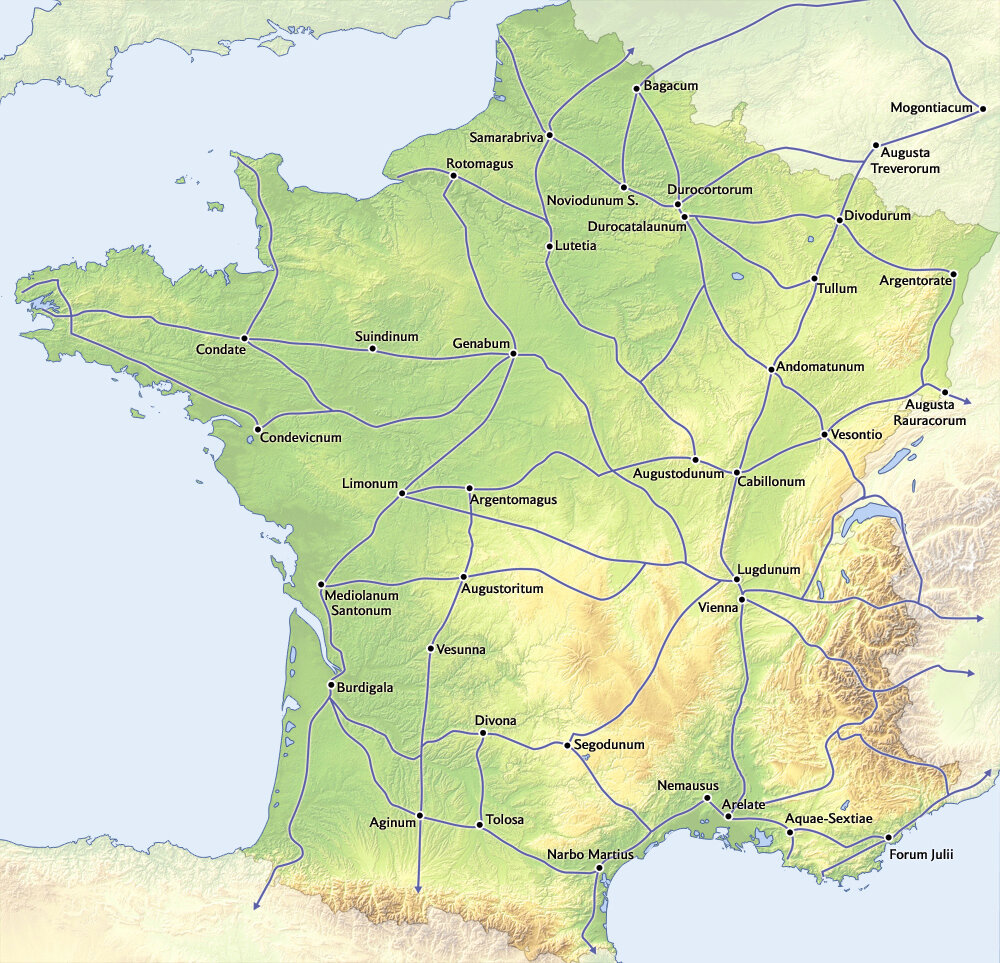
Cities like Lutetia (modern Paris) and Lugdunum (modern Lyon) grew into major urban centers, complete with forums, amphitheaters, and bathhouses. This period of peace and prosperity, known as the Pax Romana, reshaped the landscape and laid the social and cultural foundations for the nation that would one day become France.
Even though the Roman Empire eventually split and the West fell, their ideas about law, architecture, and language (Latin became the root for languages like Spanish and French!) shaped almost all of Europe and influenced the world we live in now.
Let's review what you've learned about ancient Gaul.