Exploring Free Oboe Courses Online
Introduction to the Oboe
A Storied Past
The oboe's story begins long before the symphony orchestra. Its ancestor is the shawm, a loud, assertive instrument popular during the Middle Ages and Renaissance. With its powerful, reedy tone, the shawm was perfect for outdoor processions, ceremonies, and dance music. Think of it as the town crier of the woodwind family.
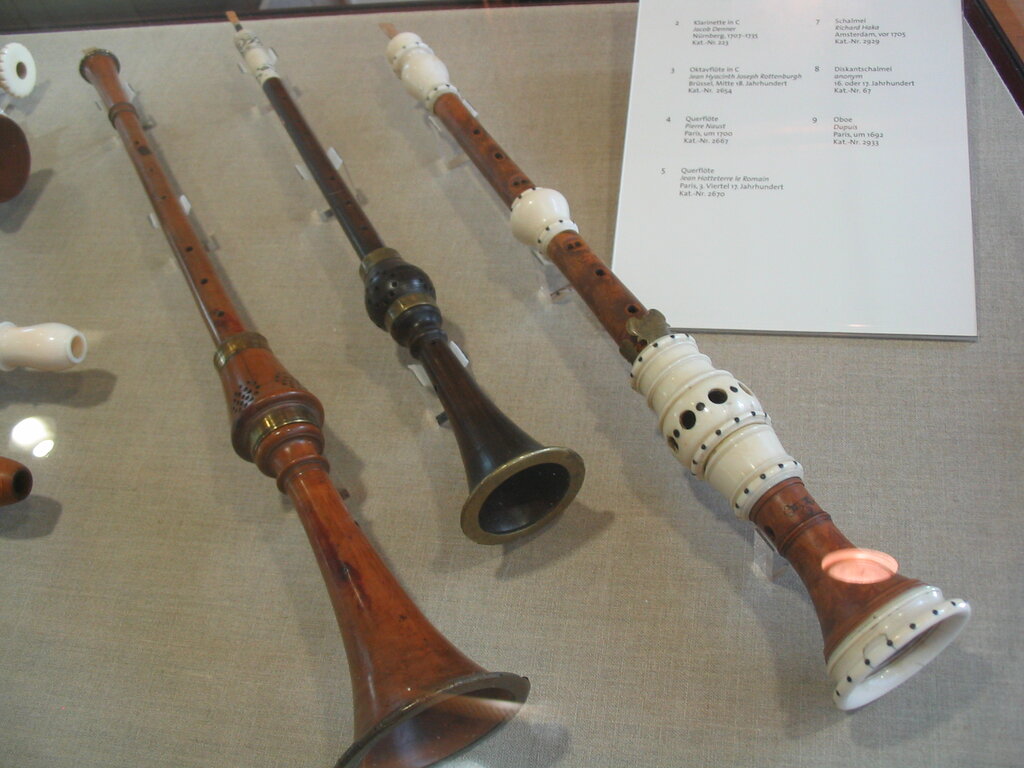
In the mid-17th century, musicians at the French court sought a more refined and expressive instrument for indoor performances. Luthiers, particularly the Hotteterre family, redesigned the shawm. They narrowed its conical bore, made the finger holes smaller, and divided the instrument into three sections. The result was a new instrument with a sweeter, more nuanced tone.
high wood
This new instrument was called the hautbois, French for "high wood," which eventually became "oboe" in English. It quickly found a place in the orchestras of composers like Jean-Baptiste Lully and later, Johann Sebastian Bach and George Frideric Handel. The modern oboe continued to evolve, with makers adding complex keywork in the 19th century to improve its tuning and range.
The Orchestra's Voice
Walk into a concert hall just before a performance, and you'll likely hear a single, clear note rising above the chatter. That's the oboe, playing an A for the rest of the orchestra to tune to. Why the oboe? Its focused, penetrating tone cuts through the sound of other instruments, and its pitch is very stable, making it an ideal reference point.
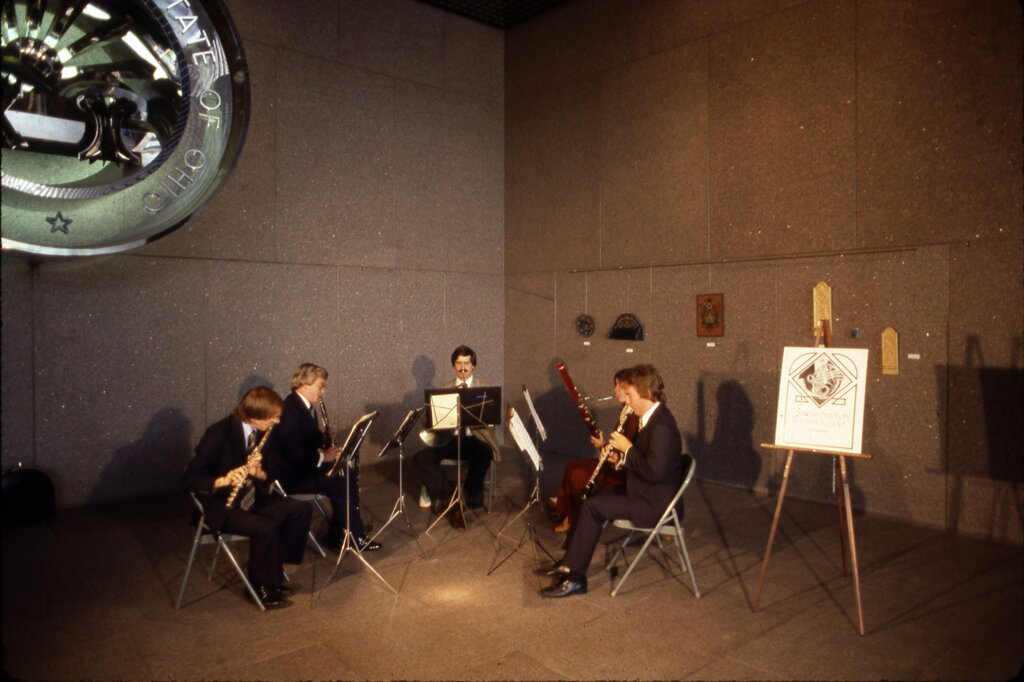
In an orchestra or concert band, the oboe often carries hauntingly beautiful melodies. Its sound is often described as plaintive, nasal, or poignant, capable of expressing deep emotion. Composers use it for lyrical solos that need to stand out, from the mournful opening of Tchaikovsky's Swan Lake to the pastoral themes in Beethoven's symphonies. It's a voice that demands to be heard.
Anatomy of an Oboe
The modern oboe is a marvel of engineering, typically made from dense Grenadilla wood. Though it looks like one piece, it's actually made of three main sections that fit together.
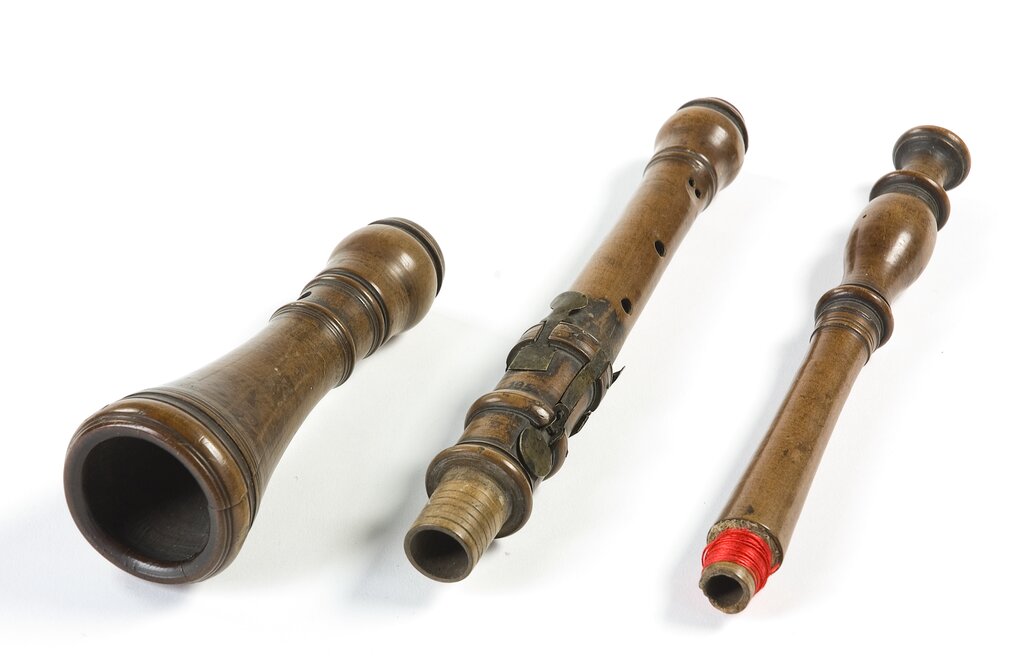
| Part | Description |
|---|---|
| Upper Joint | The top section, where the player's left hand goes. |
| Lower Joint | The middle section, for the player's right hand. |
| Bell | The flared end that helps project the sound. |
These sections are covered in an intricate web of silver or nickel-plated keys, levers, and rods. This mechanism, known as the keywork, allows the player to cover distant holes with ease, enabling them to play intricate passages quickly and in tune. But the heart of the oboe's sound comes from something much smaller and more delicate: the reed.
reed
noun
A thin strip of material that vibrates to produce a sound on a musical instrument.
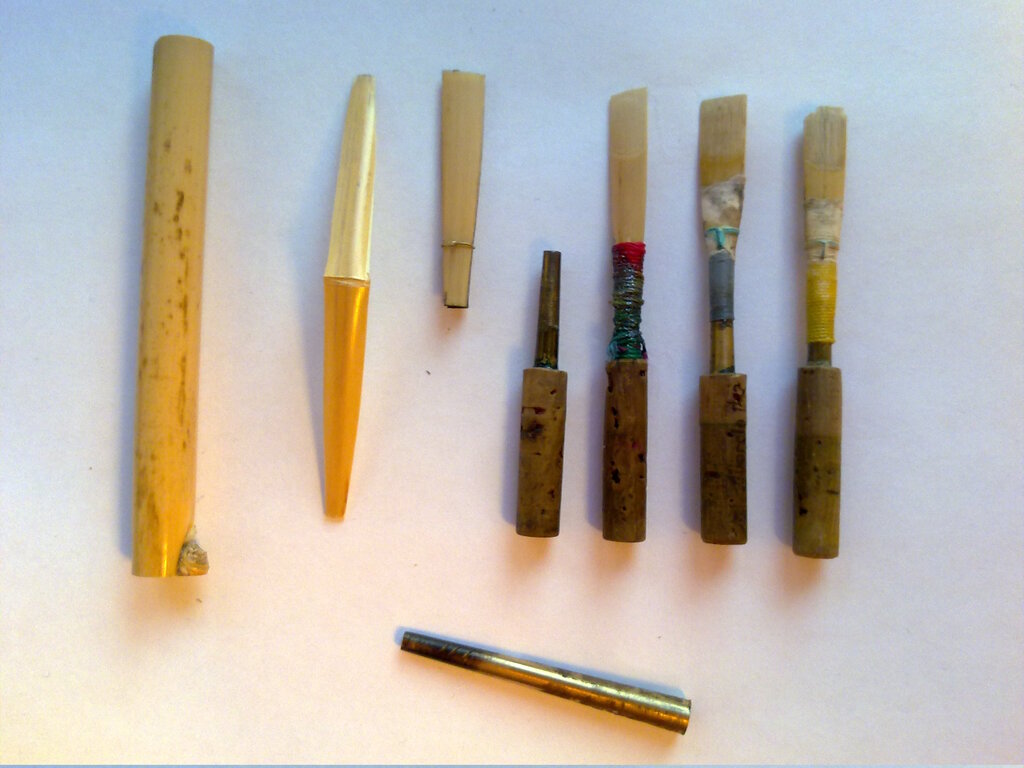
The oboe is a double-reed instrument. This means its sound is produced by blowing air through two small, thin pieces of cane that are tied together and vibrate against each other. The reed is placed at the very top of the upper joint. Crafting and maintaining these reeds is a crucial skill for every oboist, as the quality of the reed directly shapes the instrument's tone and responsiveness.
Now that you know the basics of the oboe's history and construction, let's test your knowledge.
What is the name of the oboe's medieval and Renaissance ancestor, known for its loud and powerful tone?
The name 'oboe' is derived from the French term hautbois. What is the literal translation of hautbois?
Understanding the oboe's origins, its role in music, and its basic parts is the first step toward appreciating its unique character and beautiful sound.