Exploring Female Gluteal Shapes
Gluteal Anatomy
The Gluteal Muscles
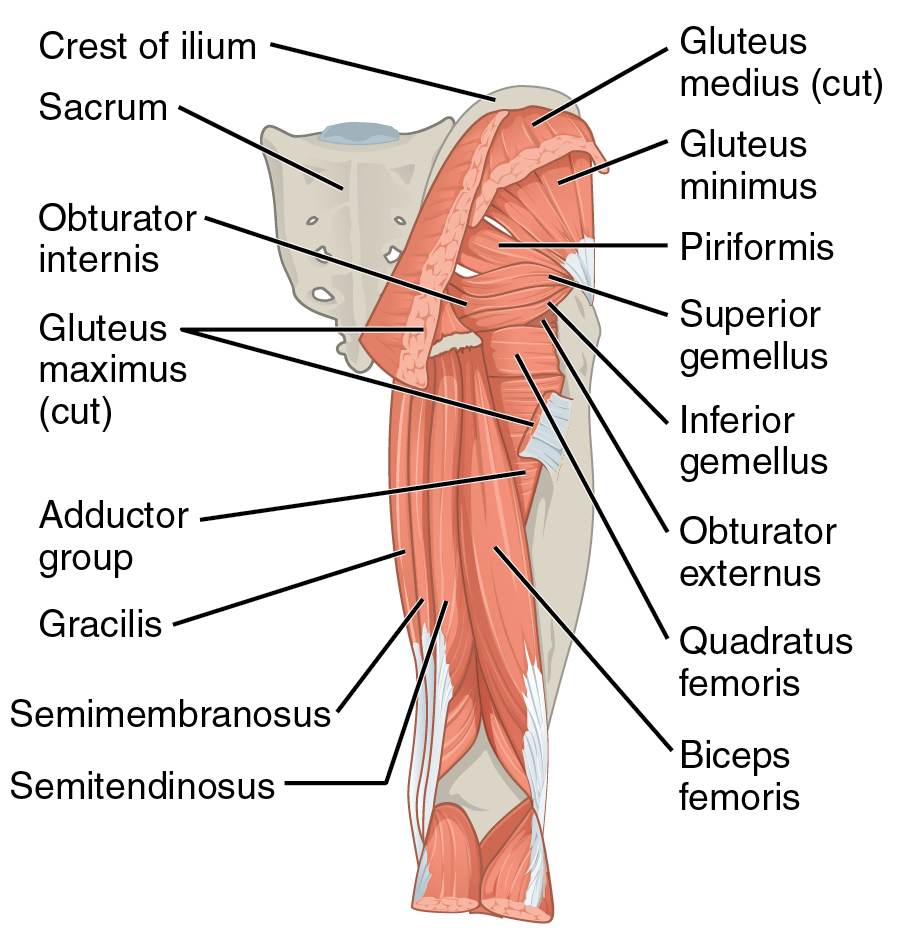
The buttocks are more than just padding. They're a complex and powerful group of muscles attached to the pelvis. This region, known as the gluteal region, is central to how we move. The two most significant muscles here are the gluteus maximus and the gluteus medius.
The gluteus maximus is the largest and most superficial of the three gluteal muscles. It's the muscle that gives the buttocks their rounded shape. But it's not just for show; it's one of the strongest muscles in the body. Its main job is hip extension, which is the act of moving your thigh backward. You use your gluteus maximus every time you stand up from a chair, climb stairs, or run.
The gluteus maximus, the largest and most superficial of the gluteal muscles, is primarily responsible for hip extension and trunk stabilization.
Located underneath the gluteus maximus is the gluteus medius. It's a fan-shaped muscle that sits on the outer surface of the pelvis. While not as large as the maximus, its role is just as critical.
The gluteus medius helps with thigh abduction, which means moving your leg out to the side. More importantly, it stabilizes the pelvis when you walk or run. When you lift one foot off the ground, the gluteus medius on the opposite side contracts to keep your hips level. Without it, your pelvis would drop on one side with every step, leading to an unstable and inefficient gait.
Bony Landmarks
The shape of the buttocks is defined not just by muscle, but also by the underlying bone structure. Two key bones are the iliac crest and the sacrum.
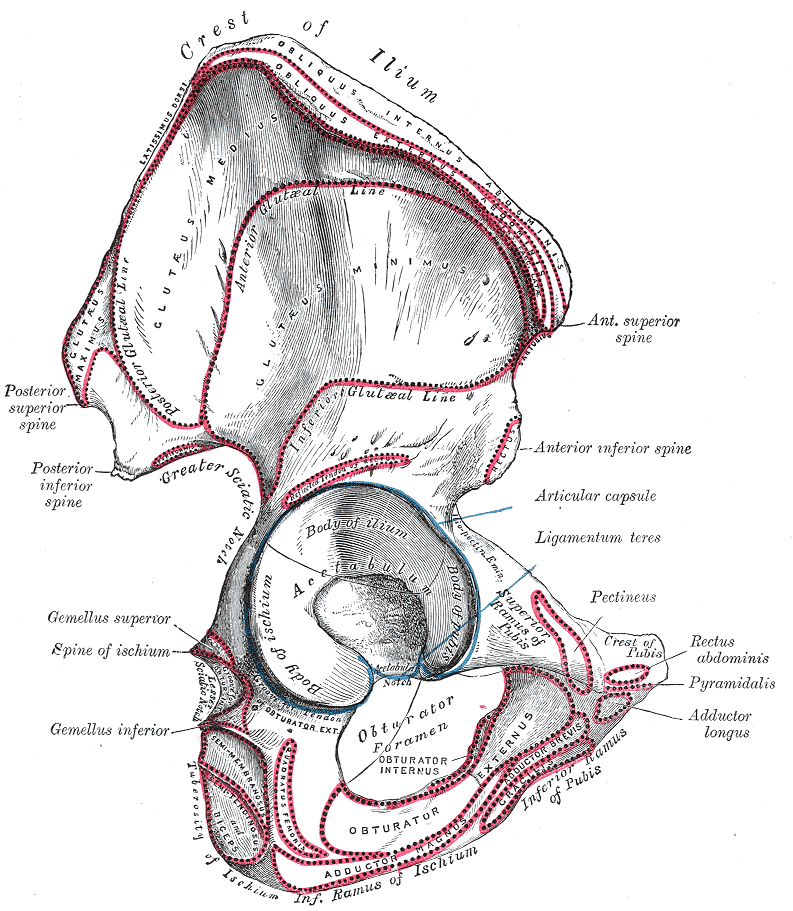
The iliac crest is the curved, superior border of the ilium, which is the largest bone of the pelvis. You can easily feel it on yourself; it's the bony ridge at the top of your hips, often called the
When you put your hands on your hips, you're resting them on your iliac crests.
This crest serves as an important attachment point for several muscles, including the gluteus medius and the latissimus dorsi of the back. Its prominence and width contribute significantly to the overall shape of the hip area.
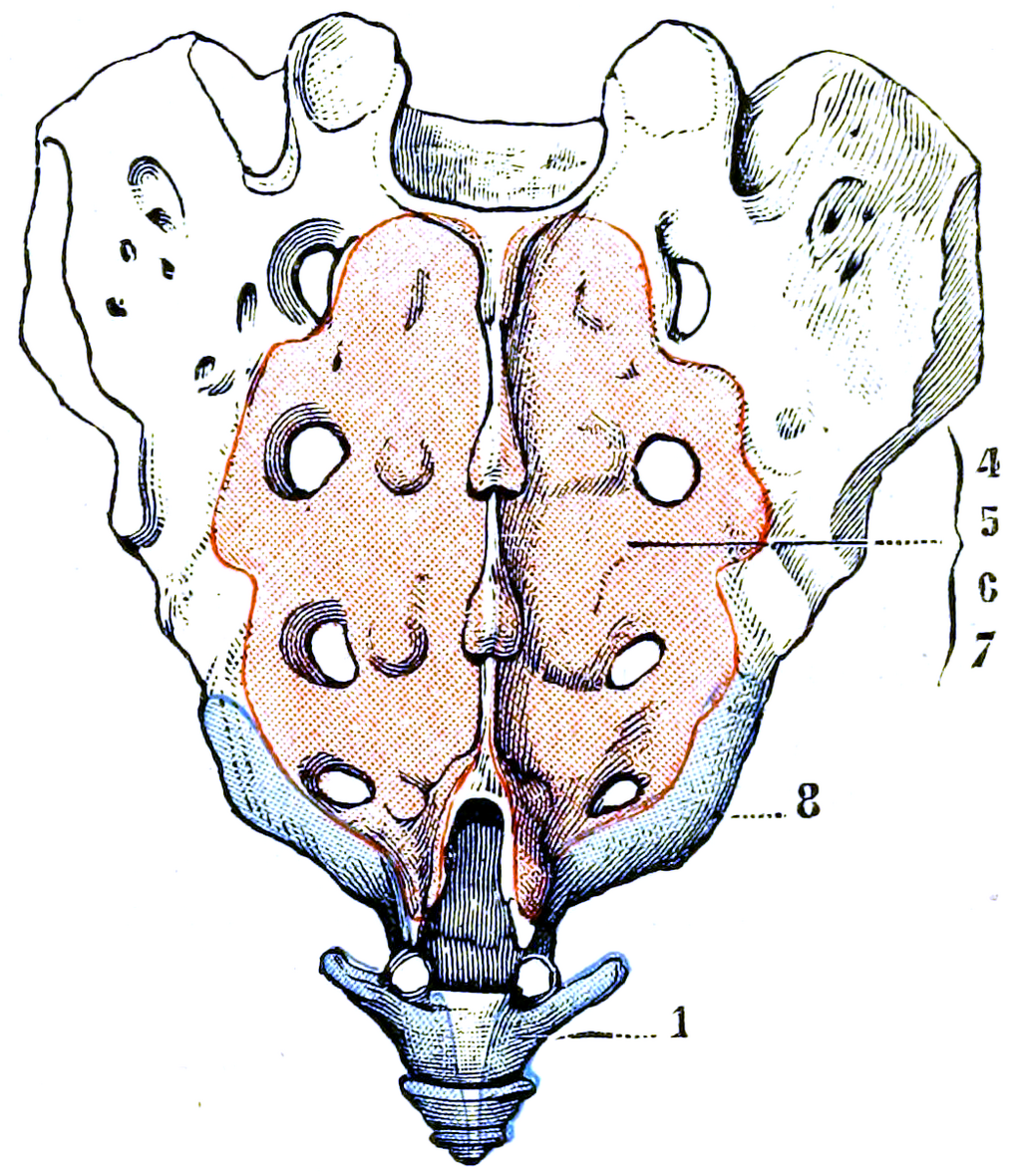
The sacrum is a large, triangular bone located at the base of the spine, where it fits between the two hip bones. It's formed by the fusion of five vertebrae. The sacrum acts as the anchor of the pelvis, connecting the spine to the hip bones and providing a stable base.
Sacrum
noun
A triangular bone in the lower back formed from fused vertebrae and situated between the two hipbones of the pelvis.
The shape and tilt of the sacrum influence the curvature of the lower back and the overall posture of the pelvis. This, in turn, affects the positioning and appearance of the gluteal muscles that lie over it.
Surface Anatomy
Finally, a prominent feature of the surface anatomy is the intergluteal cleft. This is the groove or furrow that runs between the two buttocks, starting from just below the sacrum and extending downwards. It is more commonly known as the buttock crack.
This cleft is simply the space between the two mounds of fat and muscle that form the buttocks on either side. Its depth and length are determined by the size of the gluteus maximus muscles and the amount of subcutaneous fat in the area.
Now, let's test your understanding of these foundational structures.
What is the primary function of the gluteus maximus muscle?
The gluteus medius is crucial for stabilizing the pelvis. If the gluteus medius on your right side is weak, what would likely happen when you lift your left foot to take a step?
Understanding these basic components of muscle, bone, and surface features is the first step. They are the building blocks that create the diverse range of gluteal shapes.