Exploring Easy-to-Use AI Tools
Introduction to AI Programs
The AI Universe
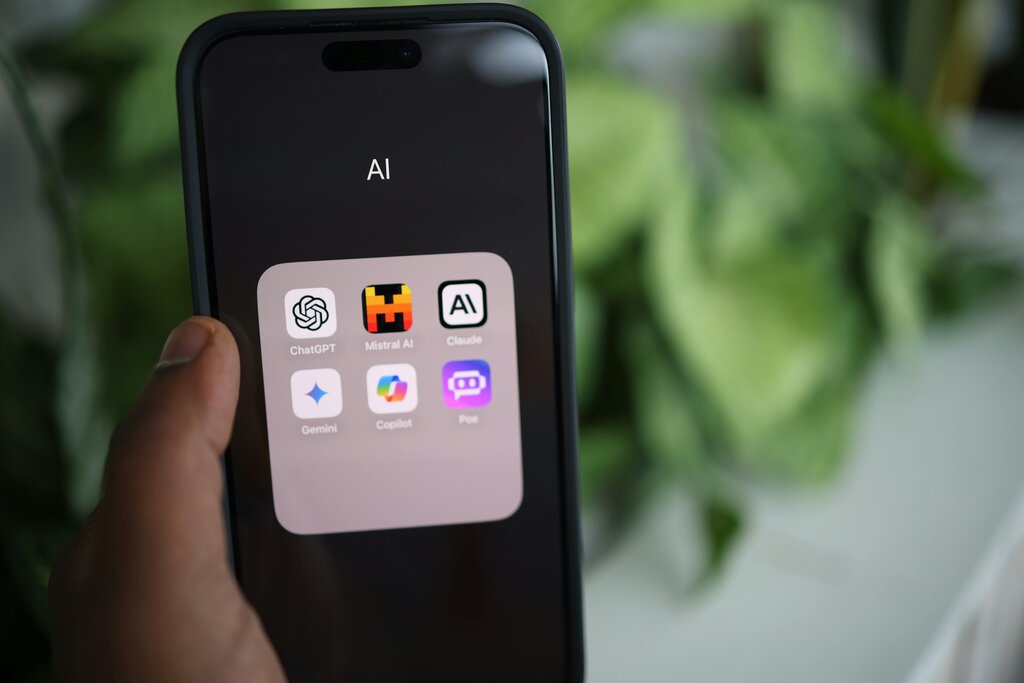
Most people think of ChatGPT when they hear "AI," and for good reason. It showed the world how powerful conversational AI could be. But the world of AI is vast, with specialized tools designed for almost any task you can imagine. Different programs have different strengths, from creating art to writing code.
Think of it like a toolbox. You wouldn't use a hammer to turn a screw. Similarly, the best AI to use depends entirely on the job you need to get done.
AI for Images and Design
One of the most visually stunning areas of AI is image generation. Tools like Midjourney, DALL-E, and Stable Diffusion can create detailed images from simple text descriptions, called prompts. You can ask for anything from "a photorealistic astronaut riding a horse on Mars" to "a logo for a coffee shop in the style of Picasso."
These tools are incredibly useful for artists looking for inspiration, marketers needing quick visuals, or anyone who wants to bring a creative idea to life without needing traditional artistic skills. The quality of the output depends heavily on the quality of the prompt. Learning to write descriptive and clear prompts is a skill in itself.
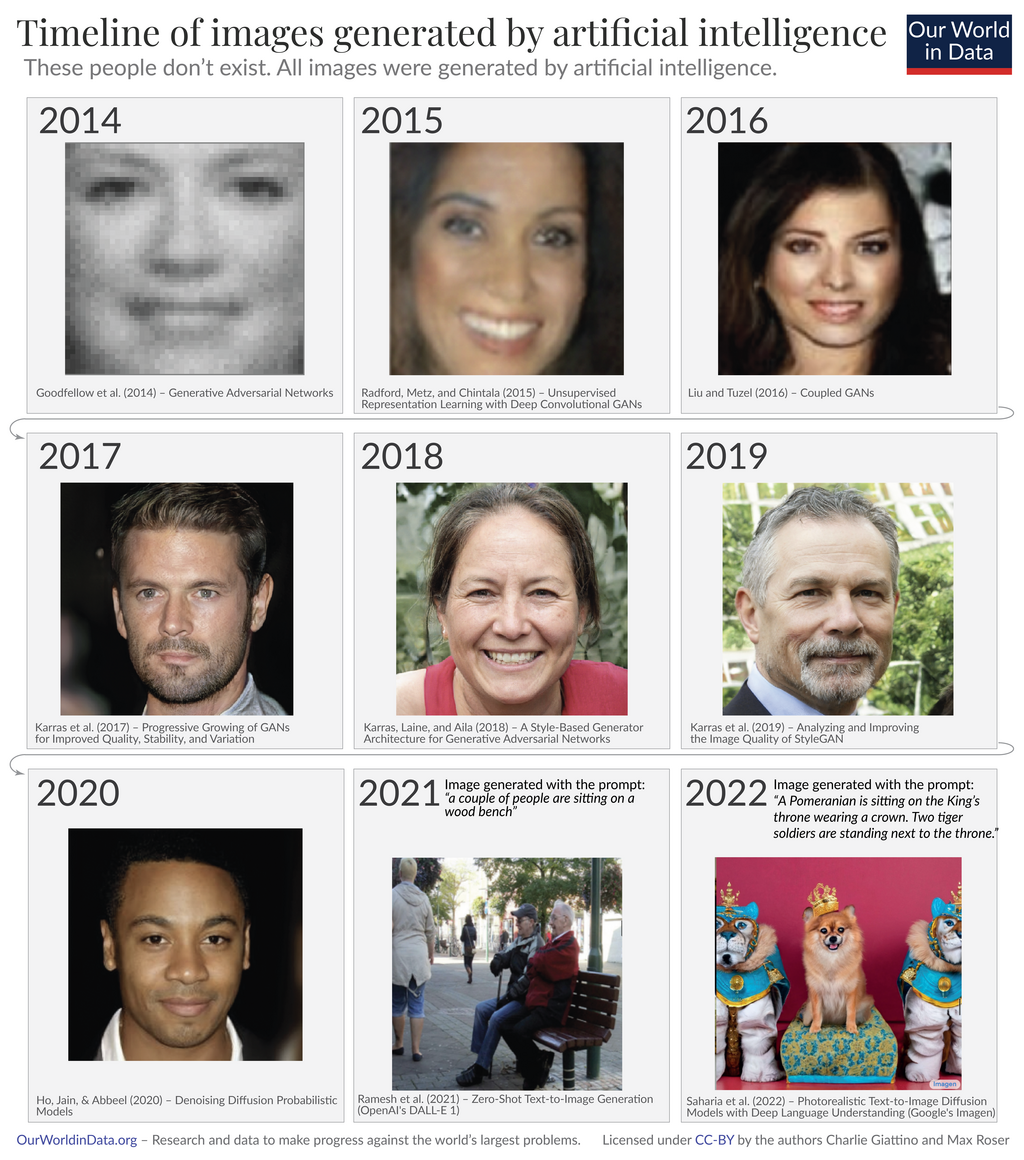
Beyond generating images from scratch, other AI tools help with design in different ways. Some can automatically remove the background from a photo, while others can suggest color palettes and font pairings for a website or presentation.
Assistants for Specific Tasks
While chatbots like ChatGPT are generalists, many AI tools are specialists. You're probably already using some of them without realizing it.
Grammarly, for instance, uses AI to go beyond simple spell-checking, offering suggestions on tone, clarity, and style. Other writing assistants like Jasper or Copy.ai are tailored for marketing, helping to generate ad copy, blog post ideas, and social media captions with a specific brand voice in mind.
In the world of programming, tools like GitHub Copilot act as an AI pair programmer. It integrates directly into a developer's coding environment and suggests lines of code or even entire functions as they type. This can dramatically speed up development and help programmers learn new languages or frameworks.
Search is another area being transformed. AI-powered search engines like Perplexity provide direct, summarized answers to questions, complete with sources, rather than just a list of links for you to sift through. Google's Gemini is also being integrated into its main search engine to provide similar AI-generated overviews.
Choosing the Right Tool
With so many options, how do you pick the right one? The key is to first identify your goal. What are you trying to accomplish?
- Creating something new? Look at generative AI tools for images, text, or even music.
- Improving existing work? An AI assistant for writing or coding could be your best bet.
- Finding information? Try an AI-powered search engine for a more direct answer.
Many AI programs offer free versions or trials, so the best way to learn is to experiment. Try giving the same prompt to a few different tools to see how their results and styles differ.
Knowing what AI can and can’t do is just as important as knowing how to use a single tool like ChatGPT.
Let's test your understanding of the different types of AI tools available.
What is the term for the text description you provide to an AI image generator like DALL-E or Midjourney to create a visual?
According to the text, which of the following is an example of a 'specialist' AI tool, designed for a specific task?
The landscape of AI tools is constantly growing and changing. Exploring the options beyond the most famous names will help you find the perfect assistant for whatever you want to achieve.