Exploring Drawing Media Techniques
Pencil Drawing
The Graphite Pencil
The humble pencil is one of the most versatile tools an artist can have. What we call “lead” is actually a mixture of graphite and clay. The ratio of these two ingredients determines the pencil's hardness and the kind of mark it makes.
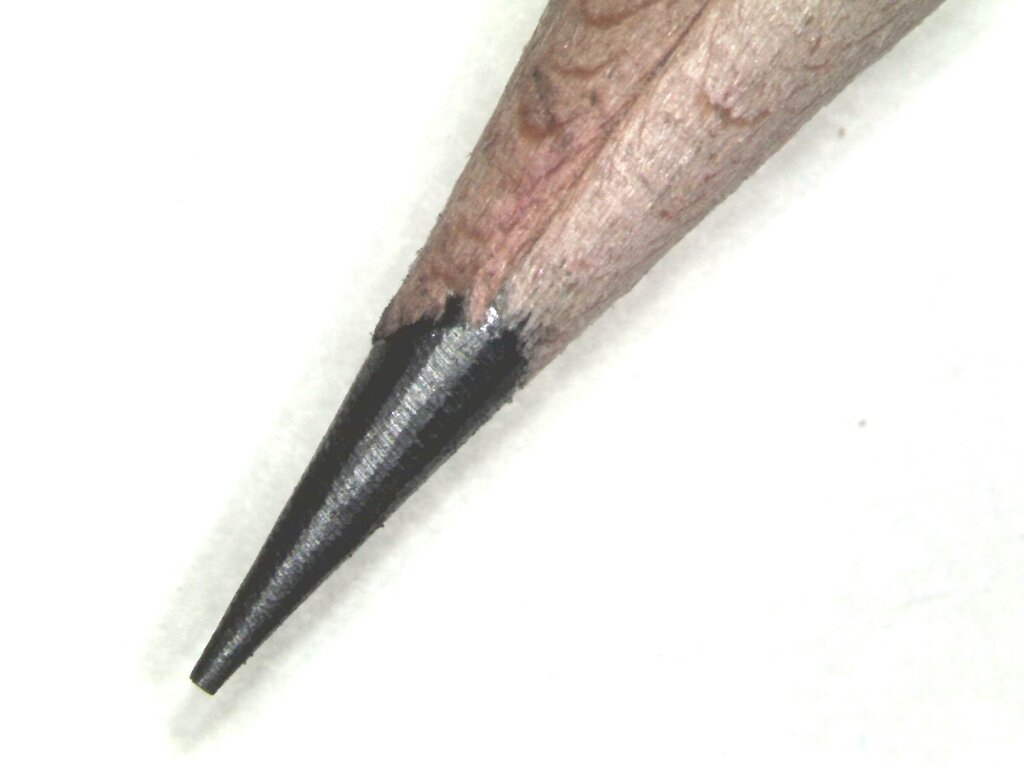
Pencils are graded on a scale that tells you how hard or soft their graphite is. This grade is usually printed on the side of the pencil. The scale runs from H (for hardness) to B (for blackness). A 9H pencil is extremely hard and makes very light lines, while a 9B pencil is very soft and makes dark, rich marks. An HB pencil sits in the middle, a perfect balance for everyday writing and sketching. F (fine point) is also a midway grade that can be sharpened to a fine point.
As a rule of thumb: H pencils are for light, precise lines, like initial sketches. B pencils are for shading and adding dark values.
| Grade | Hardness | Mark | Best For |
|---|---|---|---|
| 9H - 2H | Hard | Light, thin | Technical drawing, underlays |
| H, F, HB, B | Medium | Medium | General sketching, writing |
| 2B - 9B | Soft | Dark, thick | Shading, expressive lines |
Controlling Your Lines
The way you hold your pencil and the pressure you apply can dramatically change the quality of your lines. For tight, detailed work, hold the pencil closer to the tip, as you would for writing. For looser, more expressive strokes, hold it further back, letting your whole arm guide the movement, not just your wrist.
Practice drawing lines of different weights by varying your pressure. Start with a light touch and gradually press harder to create a smooth transition from a faint line to a dark one. Try this with different pencil grades to see how they behave.
Using the point of the pencil and holding your hand closer to the front will allow you to get sharp clean lines.
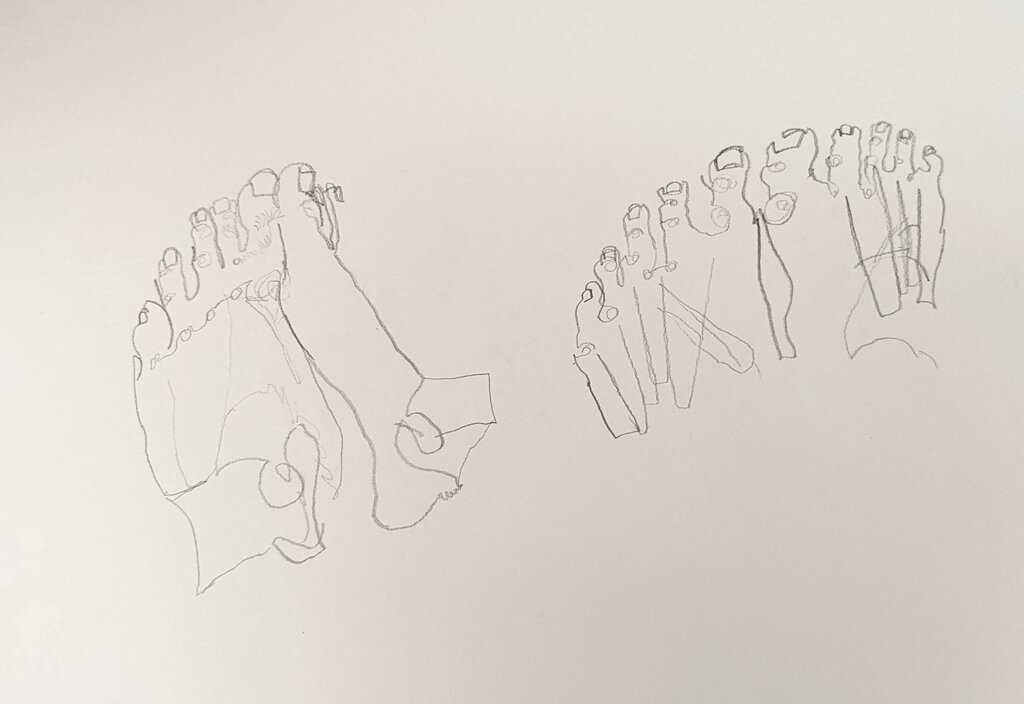
A great way to build control is through contour drawing. This is an exercise where you draw only the outline of your subject. The key is to let your eye slowly trace the edges of the object while your hand follows along on the paper. It trains your hand and eye to work together. Try drawing your own non-dominant hand. Don't worry about perfection; focus on observation.
Creating Form with Shading
Lines define the edges of objects, but shading gives them weight, dimension, and the illusion of light. With a pencil, you can build up tone to make a flat circle look like a three-dimensional sphere. There are several core techniques for this.
- Hatching involves drawing a series of parallel lines to create tone. The closer the lines, the darker the value.
- Cross-hatching is similar, but you layer sets of parallel lines in different directions. This is a powerful way to build up deep shadows and textures.
- Blending creates smooth, gradual transitions between tones. You can achieve this by smudging the graphite with your finger, a paper stump (called a tortillon), or a cloth. Be careful not to overdo it, as it can sometimes make a drawing look muddy.
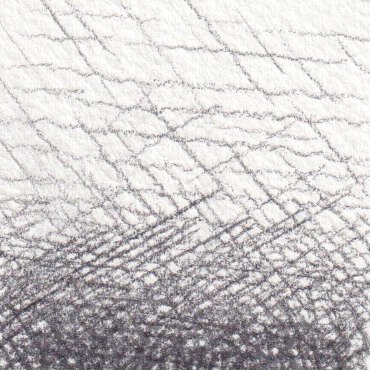
By combining line work and these shading techniques, you can create convincing drawings. Start by lightly sketching the contours of your subject with a hard pencil, like a 2H. Then, using softer pencils like a 2B or 4B, begin to build up your shadows with hatching and cross-hatching. Think about where the light is coming from. The surfaces facing the light will be the lightest, and those facing away will be the darkest.
The 'lead' in a pencil is primarily a mixture of which two materials?
Which of the following pencil grades is the softest and would produce the darkest mark?
Practice is the most important step. Grab a sketchbook and a few pencils, and start observing the world around you, one line at a time.