Exploring Depth Psychology
Introduction to Depth Psychology
Beyond the Surface
Most of us live our lives on the surface. We focus on our conscious thoughts, our daily to-do lists, and the behaviors we can see and control. But what if the most significant parts of who we are lie hidden beneath that surface? This is the central question of depth psychology.
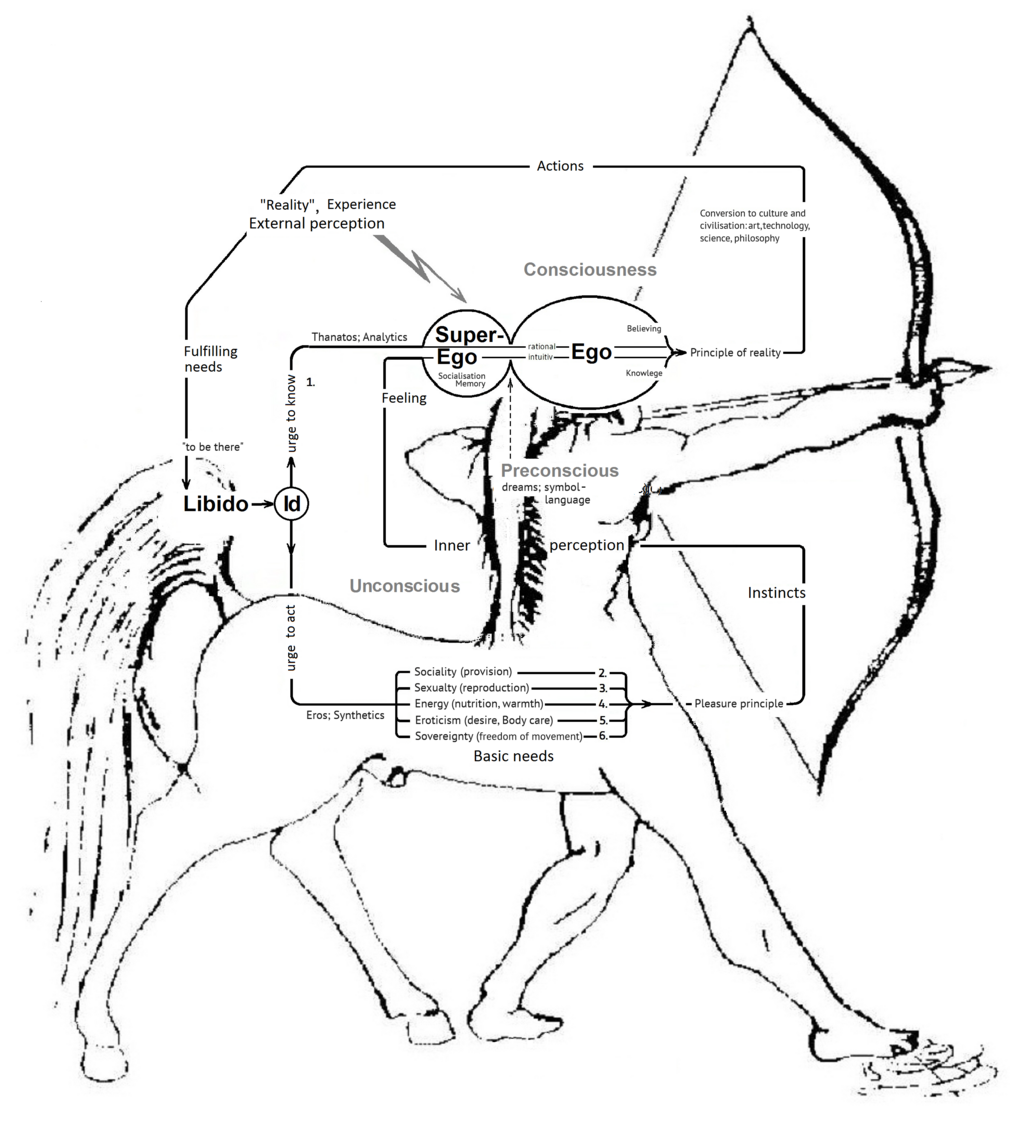
Depth psychology is an approach that explores the hidden or “deeper” parts of human experience. It works with the unconscious mind, the vast reservoir of feelings, memories, and potentials that we aren't immediately aware of. Instead of just looking at what we do, it asks why we do it, digging into the unseen motivations that shape our lives.
Psyche
noun
The totality of the human mind, encompassing both conscious and unconscious thoughts, feelings, and processes. It represents the whole person.
The Unconscious Speaks
How do we access something that's, by definition, unconscious? Depth psychology suggests it communicates with us all the time, just not in plain language. It speaks in the language of symbols, myths, and dreams.
Think of a dream you had last night. It might have seemed bizarre or nonsensical. But from a depth perspective, that dream is a rich, symbolic message from your unconscious. A dream about being lost might not literally be about your navigation skills; it could be pointing to a feeling of uncertainty or a lack of direction in your waking life. These symbols are not random noise but clues to our inner world.
Pioneers of the Deep
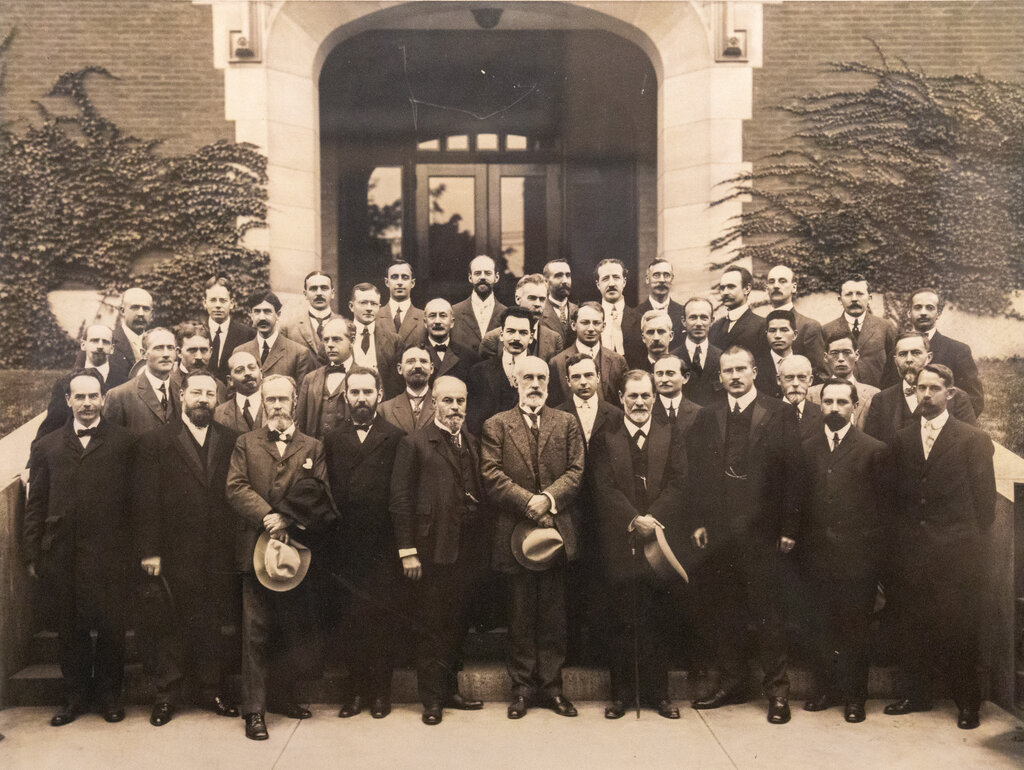
The field of depth psychology emerged in the late 19th and early 20th centuries, largely through the groundbreaking work of figures like Sigmund Freud and Carl Gustav Jung. They challenged the prevailing views of their time by insisting that the unconscious was not just a container for repressed thoughts but a dynamic and vital part of the psyche.
Freud focused on how unconscious drives, often rooted in early life experiences, influence our behavior. Jung expanded on this, proposing the idea of a "collective unconscious"—a shared layer of unconsciousness filled with universal symbols and archetypes that appear in myths and stories across all cultures.
A Different Approach
Depth psychology stands apart from other major schools of thought. While other approaches offer valuable insights, their focus is different. Behaviorism, for example, concentrates on observable behaviors and how they are learned from the environment. Cognitive psychology is primarily interested in mental processes like thinking, memory, and problem-solving—the mechanics of the conscious mind.
Depth psychology doesn't dismiss these aspects, but it sees them as only part of the story. It argues that to truly understand a person, you have to look deeper, into the rich, symbolic, and often mysterious world of the unconscious.
| Approach | Primary Focus |
|---|---|
| Depth Psychology | The unconscious mind, dreams, and symbols |
| Behaviorism | Observable behavior and environmental influences |
| Cognitive Psychology | Conscious mental processes (thinking, memory) |
At the heart of this approach is the belief that the psyche strives for wholeness—a balance between conscious awareness and unconscious elements.
It's a journey inward, aimed at integrating these hidden parts of ourselves to live a more complete and authentic life.
Ready to check your understanding?
What is the primary focus of depth psychology?
According to depth psychology, the unconscious mind primarily communicates through the language of symbols, myths, and dreams.
By exploring the unconscious, depth psychology offers a unique lens for understanding the complexities of human nature.