Exploring Contemporary Ballet
Introduction to Contemporary Ballet
Breaking the Mold
Classical ballet is known for its structure, grace, and ethereal quality. Dancers strive for perfect lines, defying gravity with lightness and precision. But what happens when you take the powerful technique of classical ballet and infuse it with the freedom and raw emotion of modern dance? You get contemporary ballet.
Contemporary ballet is a genre of dance that emerged in the early 20th century. It combines the foundational techniques of classical ballet, like pointe work and turnout, with the expressive, fluid movements of modern dance. It’s less about adhering to rigid rules and more about using the body to explore new ideas and emotions.
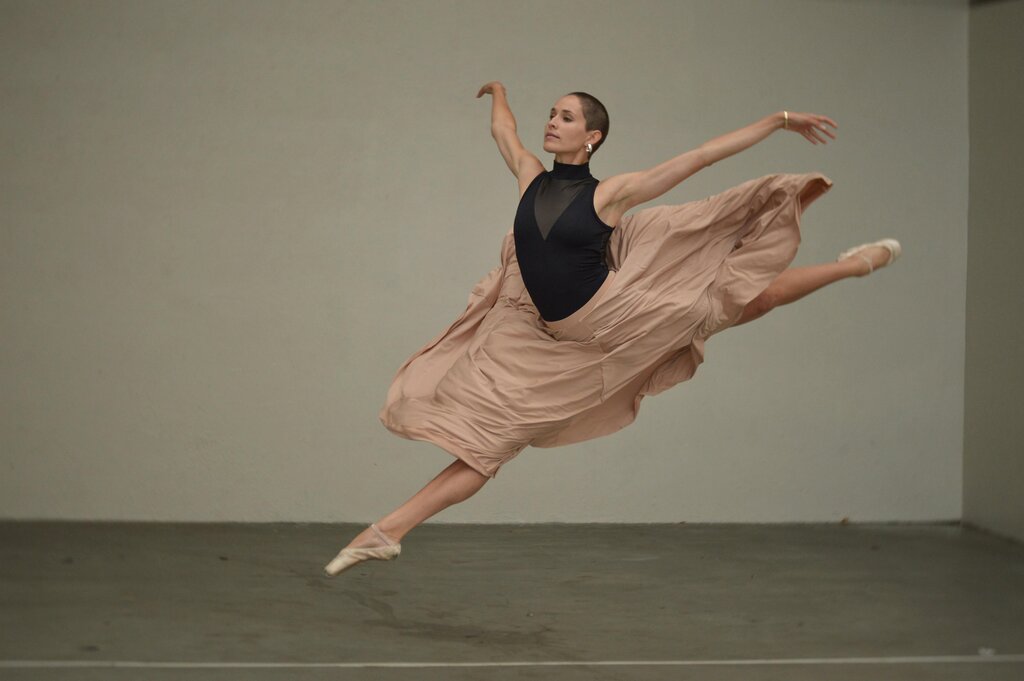
Think of classical ballet as a formal language with strict grammar. Contemporary ballet uses that same vocabulary but plays with the syntax, creating a more conversational and often more personal form of expression. The spine isn't always held rigidly upright; dancers might curve their torsos, contract their muscles, or even use the floor as part of their choreography.
Classical vs. Contemporary
The differences between the two styles are clear once you know what to look for. Classical ballet often tells fairy-tale stories with grand sets and traditional costumes. Contemporary ballet, on the other hand, might explore abstract concepts or everyday human experiences. The focus shifts from creating an illusion of weightlessness to embracing gravity and using it to create powerful, grounded movements.
| Feature | Classical Ballet | Contemporary Ballet |
|---|---|---|
| Technique | Strict, formal rules; emphasis on verticality | Based on classical technique but allows for more freedom |
| Movement | Light, ethereal, upright posture | Grounded, fluid; use of torso and floorwork |
| Music | Primarily classical compositions | Wide range, including classical, electronic, and silence |
| Attire | Tights, leotards, tutus, pointe shoes | Simple costumes, sometimes barefoot or in socks |
| Expression | Formalized gestures and mime | Broader range of emotional, often abstract, expression |
This new form of ballet didn't appear overnight. It grew out of a period of artistic experimentation in the early 1900s. Choreographers and dancers began to feel constrained by the traditions of classical ballet and wanted to create work that felt more relevant to the modern world. They started incorporating movements from other dance forms and placing a higher value on individual expression and improvisation.
A key feature of contemporary ballet is the use of the upper body. Dancers use their torsos and spines with much more freedom, bending and twisting in ways that would be forbidden in a classical piece.
Floorwork is another significant element. While classical ballet is all about getting off the floor, contemporary dancers often incorporate sitting, rolling, and sliding into their choreography. This creates a different relationship with gravity, making the movement feel more earthy and human.
By blending the discipline of the old with the innovation of the new, contemporary ballet continues to push the boundaries of what dance can be.
Which of the following best describes the core difference between contemporary and classical ballet?
True or False: A key characteristic of contemporary ballet is the extensive use of floorwork, a feature rarely seen in classical ballet.