Exploring Claude AI
Introduction to Large Language Models
What Are Large Language Models?
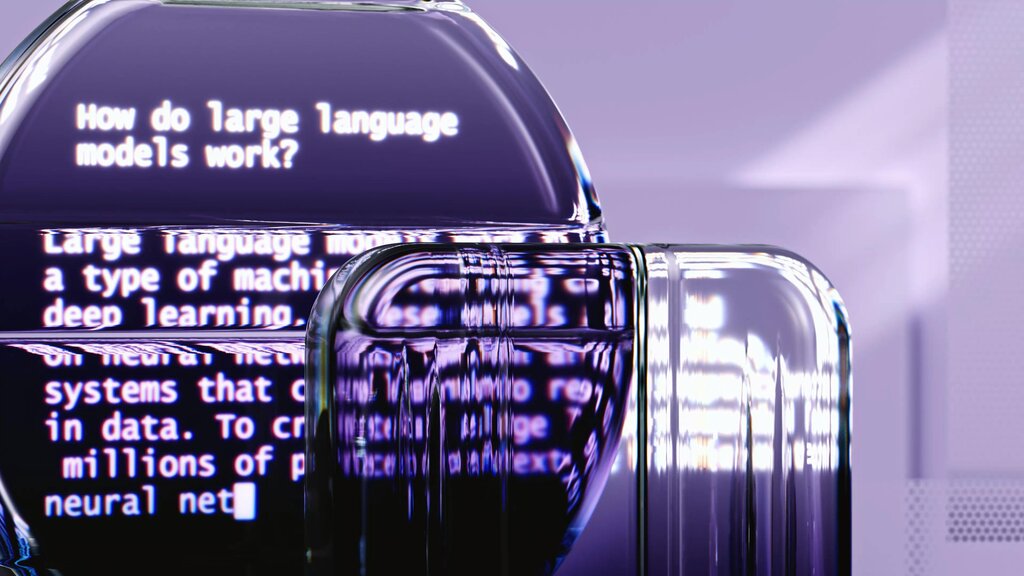
At its heart, a large language model, or LLM, is an AI designed to understand and generate human language. Think of it as a very advanced autocomplete. It's trained on a massive amount of text from the internet, books, and other sources, allowing it to learn the patterns, grammar, context, and nuances of how people write and speak.
A Large Language Model (LLM) is a type of artificial intelligence program designed to understand, generate, and work with human language.
The main purpose of an LLM isn't just to store information, but to predict the next word in a sequence. By doing this over and over, it can write sentences, paragraphs, and even entire articles. This predictive ability is what allows it to translate languages, answer questions, summarize documents, and hold conversations.
A Brief Journey Through Time
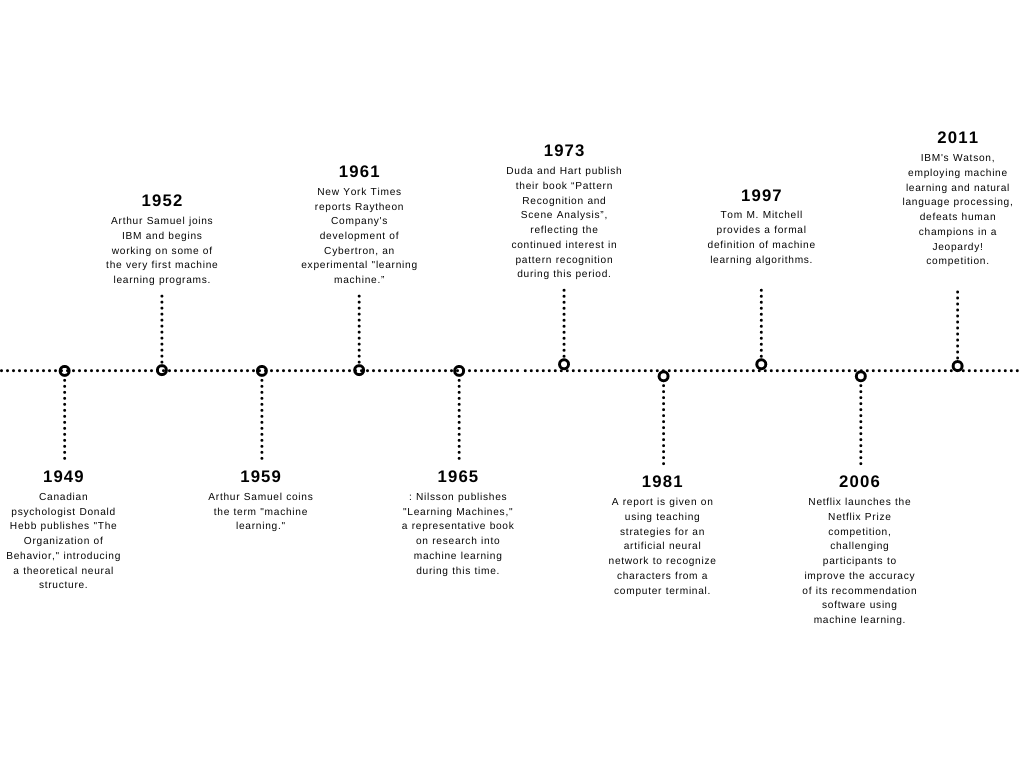
Language models are not a new idea. Early versions, known as statistical language models, have been around for decades. These models used probabilities to guess the next word based on the previous few words. They were useful for tasks like spell check and basic machine translation, but they lacked a deeper understanding of language.
The real breakthrough came with the rise of deep learning and a powerful architecture called the transformer. This allowed models to process much longer chunks of text and understand the relationships between words, even if they were far apart in a sentence. This led to a rapid evolution, with models growing exponentially in size and capability.
This shift marked the beginning of the "large" in large language models. Instead of being trained on carefully curated datasets, they began learning from a significant portion of the entire internet. This vast training data gave them a broad, general understanding of the world and a stunning ability to generate coherent, relevant, and creative text.
What Can LLMs Do?
The versatility of LLMs is their greatest strength. Because they are trained on such a wide range of text, they can be adapted to perform many different tasks without needing to be completely rebuilt. Some of their core functionalities include:
- Answering Questions: They can act as powerful search engines, providing direct answers to questions by synthesizing information from their training data.
- Text Summarization: You can give an LLM a long article, report, or book, and it can provide a concise summary of the key points.
- Translation: LLMs can translate text between dozens of languages with impressive accuracy.
- Content Creation: From writing emails and marketing copy to brainstorming ideas and creating poetry, LLMs are capable content generators.
- Code Generation: Many models can understand programming languages, allowing them to write code, debug it, and explain what it does.
Today, you'll find LLMs powering everything from chatbots and virtual assistants to creative writing tools and complex data analysis software.
Many different LLMs are available today, each with its own strengths. You may have heard of models from the GPT family. Another prominent example is Claude, a family of models known for being helpful, harmless, and honest. Developers often choose a specific model based on the unique needs of their application, whether that's creative writing, enterprise-level problem solving, or ensuring safe and reliable user interactions.
Claude is recognized as a leading family of large language models (LLMs) known for its safety, advanced reasoning, and enterprise-grade capabilities.
Now, let's test your understanding of these core concepts.
At its most fundamental level, what is the primary task a large language model is designed to perform?
What key deep learning architecture was a major breakthrough for the development of modern LLMs, allowing them to process much longer sequences of text?
LLMs represent a major step forward in making computers understand and interact with us on our own terms, using the most natural interface we have: language.