Exploring Claude AI
Introduction to Claude
Meet Claude
Claude is an AI assistant created by Anthropic, an AI research company. It's designed to be a helpful, honest, and harmless conversational partner. Think of it as a versatile tool that can chat, reason, and create alongside you.
Anthropic was founded by former researchers from OpenAI with a strong focus on AI safety. Their goal is to build reliable, interpretable, and steerable AI systems. This philosophy is at the core of Claude's design, aiming to make it a trustworthy assistant for a wide range of tasks.
What Can Claude Do?
Claude's abilities are broad, but they fall into a few key areas. It's great at understanding and processing language, which makes it a powerful tool for writing, analysis, and summarization. You can ask it to draft an email, explain a complex topic, or pull the key points from a long report.
Claude excels at generating natural, human-sounding text. It's particularly good at adopting a specific tone or style if you ask it to.
Beyond just words, Claude is also a capable coding assistant. It can help you write code, find bugs in your existing scripts, and even explain how a particular piece of code works. It's familiar with many programming languages, from Python to JavaScript.
# Ask Claude to write a function to find the factorial of a number

def factorial(n):
    """Calculates the factorial of a non-negative integer."""
    if n < 0:
        return "Factorial does not exist for negative numbers"
    elif n == 0:
        return 1
    else:
        result = 1
        for i in range(1, n + 1):
            result *= i
        return result

# Example usage:
print(factorial(5)) # Output: 120
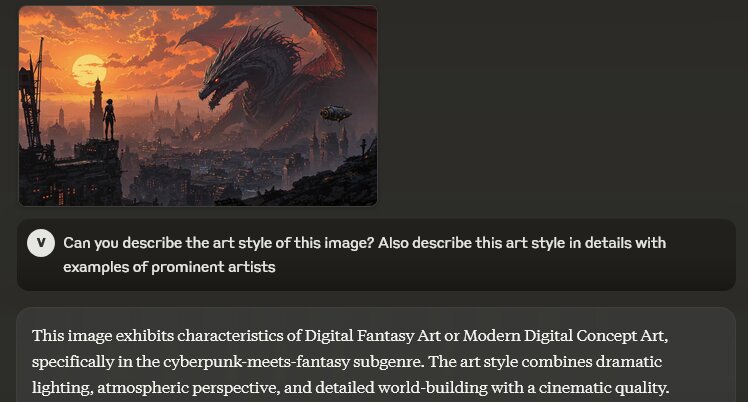
Claude is also multimodal, meaning it can process more than just text. You can upload images, documents, and other files. For example, you could give it a photo of a dish you're cooking and ask for the next step in the recipe, or upload a PDF and ask questions about its contents. This ability to handle different types of information makes it a flexible problem-solving partner.
A Family of Models
Claude isn't a single entity. It's a family of models, each optimized for different needs. Think of it like a set of tools, where you choose the right one for the job. The three main models are Haiku, Sonnet, and Opus.
| Model | Strength | Best For |
|---|---|---|
| Haiku | Speed & Compact | Quick interactions, customer service chatbots |
| Sonnet | Balance | Enterprise tasks, data processing, code generation |
| Opus | Power & Reasoning | Complex analysis, research, open-ended tasks |
Claude Haiku is the fastest and most compact model. It’s perfect for near-instant responses, making it ideal for tasks like live customer support or content moderation where speed is essential.
Claude Sonnet strikes a balance between speed and intelligence. It’s stronger than Haiku but faster than Opus, making it a great workhorse for most enterprise tasks, like processing large amounts of data or handling complex conversations.
Claude Opus is the most powerful model in the family. It demonstrates a deep level of reasoning and understanding, making it suitable for highly complex tasks that require expert knowledge, such as strategic analysis, research, and development.
Ready to check your understanding?
What is the core philosophy guiding the development of Claude at Anthropic?
A financial analyst needs to perform a deep, complex analysis of a large set of market research documents, requiring expert-level reasoning. Which Claude model is best suited for this task?
Understanding these core concepts is the first step to working effectively with Claude. You now know what it is, what it can do, and how its different models are tailored for specific needs.