Exploring Cimarosa's Concertos
Introduction to Cimarosa
The Opera Star of Naples
In the late 18th century, if you wanted to see a hit opera, you’d likely be seeing a work by Domenico Cimarosa. Born in Aversa, near Naples, in 1749, Cimarosa became one of the most popular and prolific composers of his time. His music was celebrated from Naples to St. Petersburg, and his fame often rivalled that of his contemporary, Wolfgang Amadeus Mozart.
Cimarosa's story began with a solid musical education. He studied at a conservatory in Naples, which was then a bustling centre of European music. He quickly made a name for himself, not with dense, complex works, but with music that was light, elegant, and full of charm.
The Classical Sound
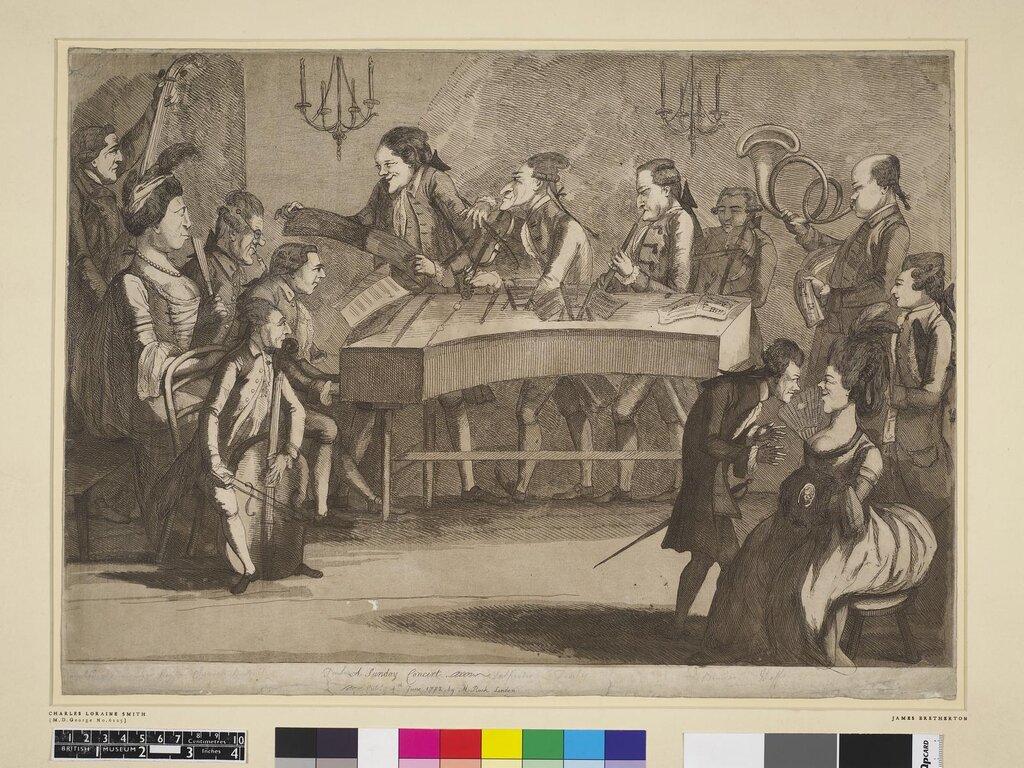
Cimarosa composed during the Classical period, a time of significant change in music. The intricate, layered style of the Baroque era, perfected by composers like J.S. Bach, was giving way to something new. The Classical style favoured clarity, balance, and beautiful melodies that were easy to follow. Think of a clear, flowing melody supported by a simple, elegant accompaniment—that's the essence of the Classical sound.
This was the era of Haydn and Mozart, and the focus was on graceful melodic lines and well-defined musical structures. Music was written to be pleasing and accessible, with a sense of order and proportion. It was in this environment that Cimarosa's talent for creating catchy, expressive tunes found a perfect home.
A Career in Comedy
Cimarosa's greatest successes were in opera buffa, or comic opera. Unlike the grand, serious operas about gods and mythical heroes, opera buffa told stories about everyday people, often with a healthy dose of satire and social commentary. The characters were relatable, the plots were clever, and the music was lively and engaging.
His most enduring masterpiece is Il matrimonio segreto (The Secret Marriage). It was so successful at its 1792 premiere in Vienna that the Holy Roman Emperor, Leopold II, was utterly captivated. He famously fed the entire cast and company dinner and then ordered them to perform the entire three-hour opera again that same evening.
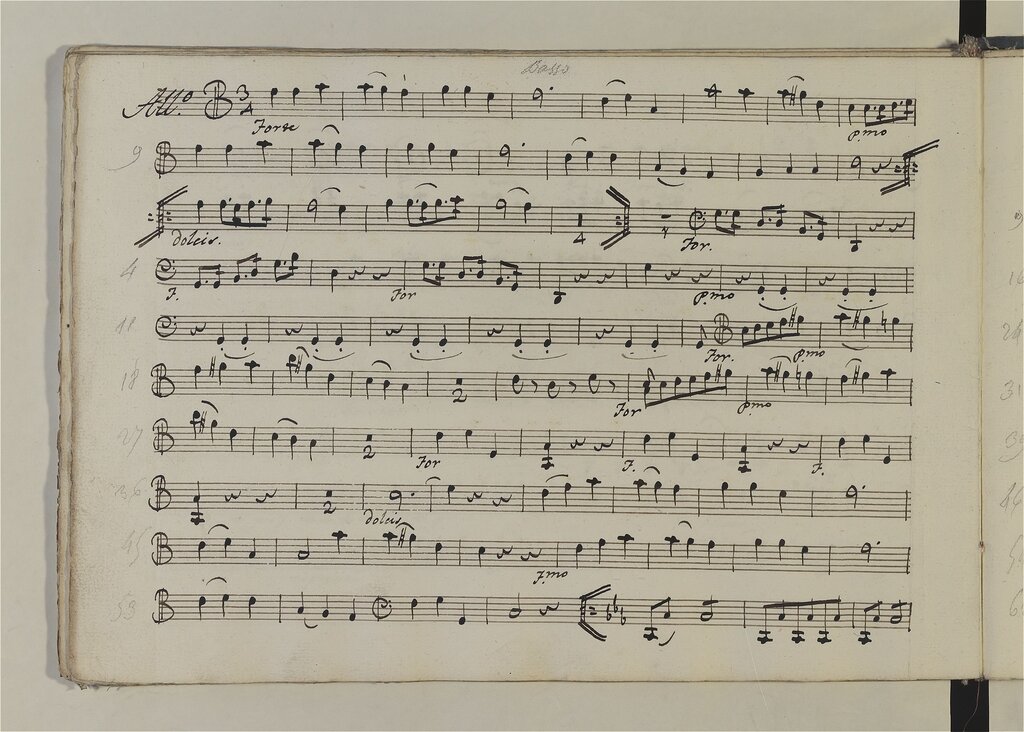
While Cimarosa is remembered primarily for his 70-plus operas, he was a versatile composer who also wrote a significant amount of instrumental music. His output includes numerous keyboard sonatas, symphonies, and concertos. These works carry the same signature style as his operas: lyrical melodies, clear textures, and an effortless sense of grace. They demonstrate his mastery of writing for instruments as well as for the voice, creating pieces that are both technically polished and emotionally direct.
Cimarosa's life was not without drama. He was caught up in the revolutionary politics of Naples in 1799 and was even sentenced to death, though the sentence was later commuted to exile. He died in Venice in 1801 while travelling away from his beloved Naples. Despite his turbulent final years, his music remains a testament to the elegance and wit of the Classical era.
Domenico Cimarosa was a composer during which musical period?
Cimarosa achieved his greatest success in which specific genre of opera?