Exploring Children's Radios
Introduction to Kids' Radios
Radios Built for Kids
A kid's radio isn't just a smaller version of a regular radio. It's a device completely rethought for young listeners. The main goals are safety, durability, and ease of use. Instead of complicated dials and endless frequencies, these radios are designed to be straightforward and fun, giving children a sense of independence while they explore music and stories.
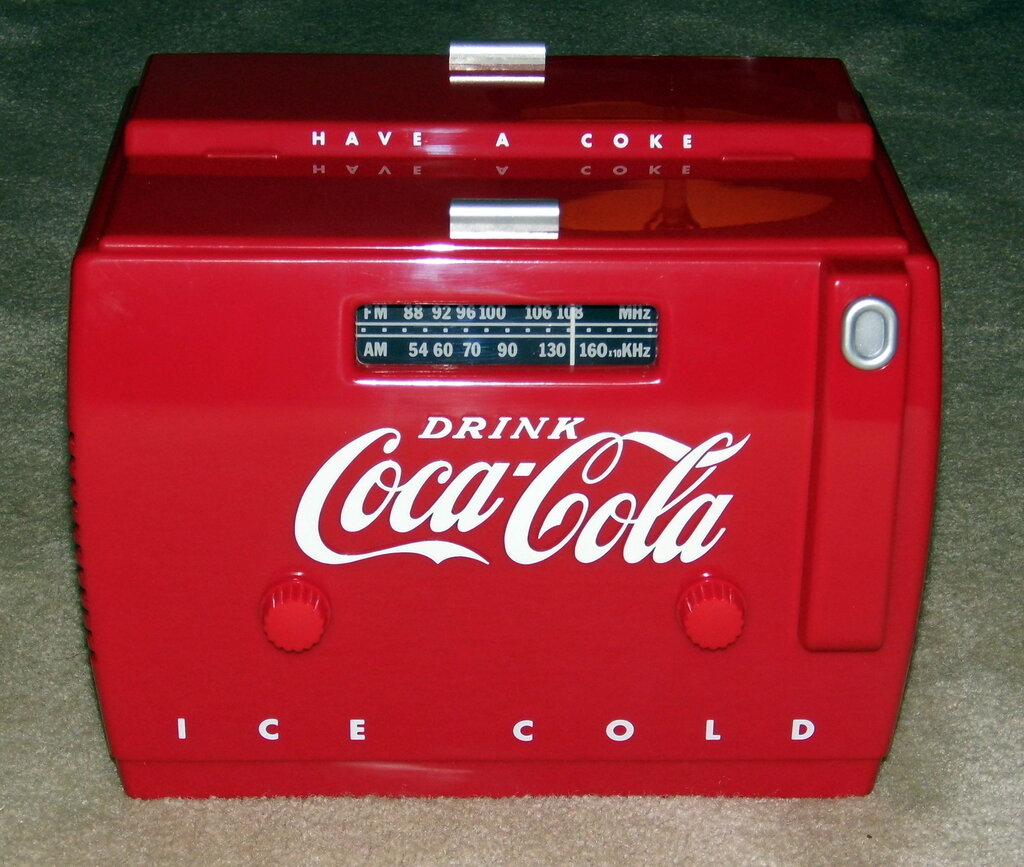
Think of them as a child's first step into the world of audio. They're built to withstand drops, spills, and rough handling. The controls are often simplified to just a few large, colorful buttons, making it easy for little hands to operate. The focus is less on technical specs and more on creating a positive, user-friendly experience.
Key Differences
So what really sets a kid's radio apart from the one in your car or kitchen? The design philosophy is fundamentally different. While a standard radio aims to offer a wide range of features and high-fidelity sound, a child's radio prioritizes simplicity and safety above all else.
| Feature | Kids' Radio | Standard Radio |
|---|---|---|
| Design | Colorful, durable plastic, large buttons | Functional, often metal or wood, small controls |
| Controls | Simple, often pre-set stations | Complex tuning dials, many buttons and modes |
| Content Access | Limited or pre-programmed stations for safety | Access to all available AM/FM frequencies |
| Power | Often battery-operated for portability | Typically plugs into a wall outlet |
| Extra Features | Nightlights, MP3 playback, microphones | Alarms, Bluetooth connectivity, equalizers |
Common Features
Manufacturers often pack these devices with features tailored specifically for children. Here are a few you might find:
- Simple Controls: Volume knobs and station selectors are typically oversized and easy to grip.
- Pre-set Stations: Many models allow parents to save a handful of kid-friendly stations, preventing access to inappropriate content.
- Durable Materials: They are almost always made from tough, shatter-resistant plastic to survive playtime.
- Portability: A built-in handle and battery power are common, so kids can take their tunes from their bedroom to the backyard.
- Auxiliary Input: Some modern versions include a jack to plug in an MP3 player or phone, turning the radio into a personal speaker.
transistor
noun
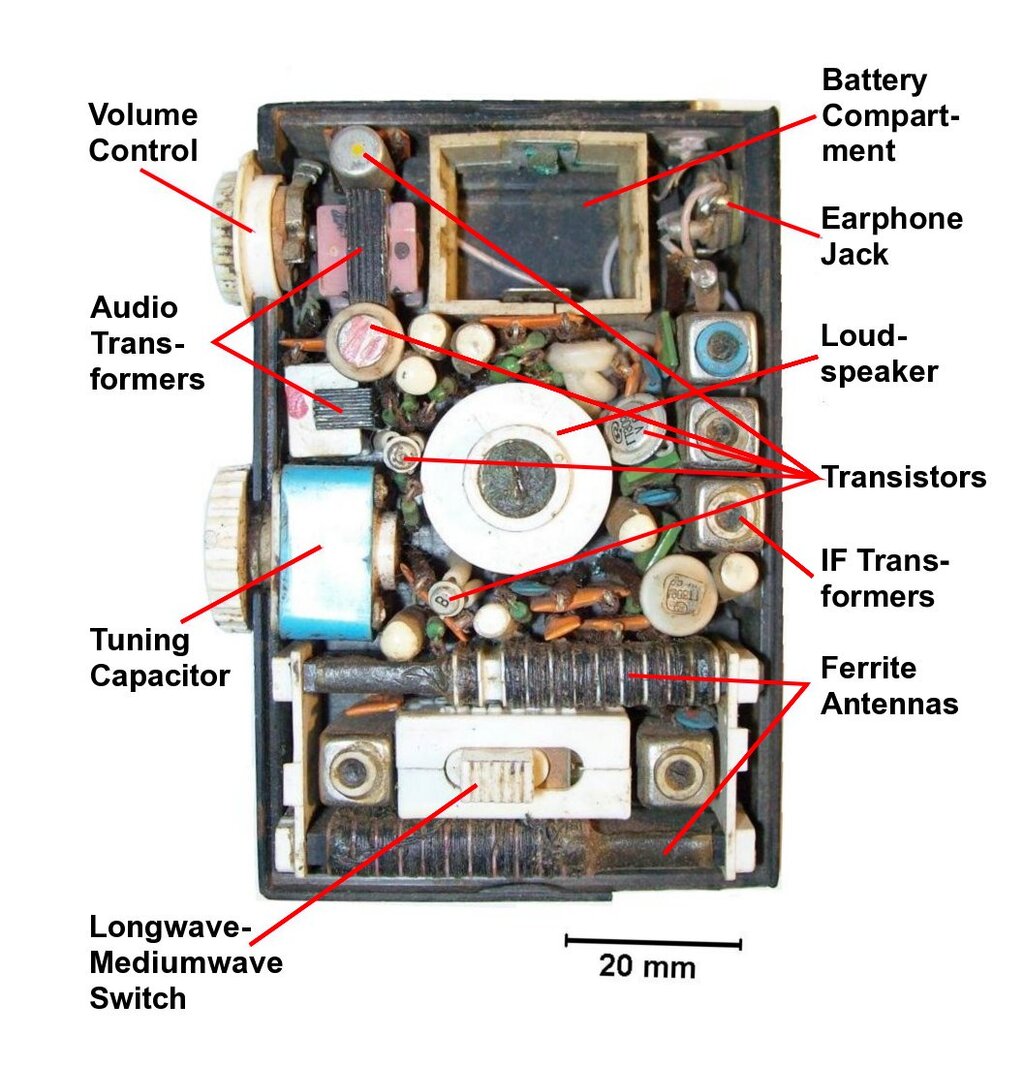
A small electronic component that acts as a switch or amplifier. The invention of the transistor allowed radios to become small, portable, and battery-powered.
Now that you know what makes kids' radios unique, let's test your knowledge.
What are the three primary goals when designing a radio for a child?
The main design philosophy of a kid's radio is to offer a wide range of features and the highest possible sound quality.
Understanding these basic features helps in choosing a radio that is not just entertaining, but also appropriate and safe for a young user.