Exploring Children's Literature
Defining Children's Literature
What Makes a Children's Book?
Children's literature is more than just books with young protagonists or simple words. It's a vast category of storytelling crafted specifically for an audience ranging from infants to young adults. Its primary goal is to entertain, but it also serves to teach, comfort, and help young minds make sense of the world, themselves, and their place in it.
Unlike literature for adults, which can explore ambiguity and despair without resolution, children's literature almost always operates from a foundation of hope. The protagonist, typically a child or adolescent, is the agent of change, driving the story forward and overcoming obstacles. The language is clear and accessible, but never simplistic. It respects the intelligence of its readers, introducing new vocabulary and complex ideas in a way that feels natural and engaging.
The core of a children's book is its perspective. The story is told through the eyes and experiences of a young person, focusing on the challenges and wonders that define their world.
Finding the Right Fit
Saying a book is "for children" is like saying a shoe is "for people." It's too broad. Children's literature is divided into distinct categories based on the reader's age, reading level, and emotional development. Understanding these categories is essential for connecting a story with its intended audience.
| Category | Target Age | Word Count | Key Characteristics |
|---|---|---|---|
| Picture Books | 0–5 years | Under 1,000 | Illustrations are essential to the story. Simple plot, repetitive language, focuses on core concepts. |
| Early Readers | 5–7 years | 1,000–2,500 | Simple sentences and basic vocabulary. Designed to help children transition to independent reading. |
| Middle Grade (MG) | 8–12 years | 25,000–55,000 | More complex plots and characters. Themes of friendship, family, and adventure. Told from a child's perspective. |
| Young Adult (YA) | 13–18 years | 50,000–85,000+ | Explores identity, romance, and complex social issues. Features a teen protagonist navigating the transition to adulthood. |
These aren't rigid rules, but they provide a helpful framework. A Middle Grade novel deals with problems from the perspective of a pre-teen, centered on their immediate world of school and family. Young Adult fiction, on the other hand, widens the lens to include a broader society and the character's burgeoning independence within it.
Before writing a children’s book, you must define the target age group because different age groups require various writing styles, themes, and word counts.
More Than Just Words
In no other category of literature are images as vital as they are in books for children. For the youngest readers, illustrations aren't just decorations; they are a fundamental part of the narrative. A picture book tells its story through the interplay of text and art. The illustrations convey emotion, add humor, provide context clues, and can even tell a subplot that the words alone don't mention.
This partnership between word and image helps a child learn to decode visual information and make inferences, a critical step in developing literacy.
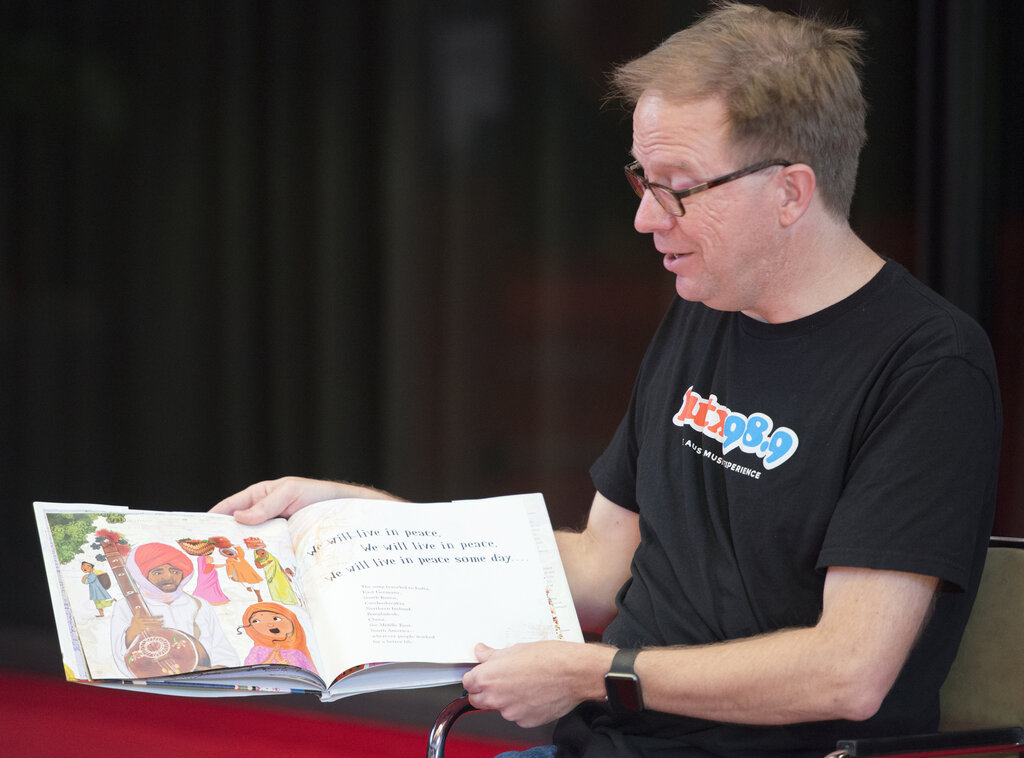
As readers get older, the role of illustrations changes. In early reader books, pictures provide direct support for the text, helping new readers decipher unfamiliar words. In Middle Grade novels, illustrations might appear as chapter headings or occasional full-page spreads that set the tone or depict a key moment. Even in Young Adult books, a map or a symbolic drawing can enrich the reader's experience, proving that a picture can indeed be worth a thousand words, no matter your age.
Unlike much of adult literature, which can explore unresolved despair, children's literature almost always operates from a foundation of what?
In picture books, illustrations are not just decorations; they are a fundamental part of the narrative.