Exploring ChatGPT and Large Language Models
Introduction to Large Language Models
What Are Large Language Models?
A Large Language Model, or LLM, is a type of artificial intelligence designed to understand and generate human-like text. Think of it as an advanced autocomplete. It predicts the next word in a sentence based on the words that came before it, but on a massive scale. By doing this over and over, it can write essays, answer questions, summarize articles, and even translate languages.
LLMs aren't truly 'thinking' or 'understanding' in the human sense. They are incredibly powerful pattern-matching machines, trained on vast amounts of text data to recognize and replicate the structures of human language.
Their main purpose is to process and perform tasks involving natural language. This opens up a huge range of applications, from powering chatbots to helping scientists analyze research papers.
A Large Language Model (LLM) is a type of artificial intelligence program designed to understand, generate, and work with human language.
A Brief History
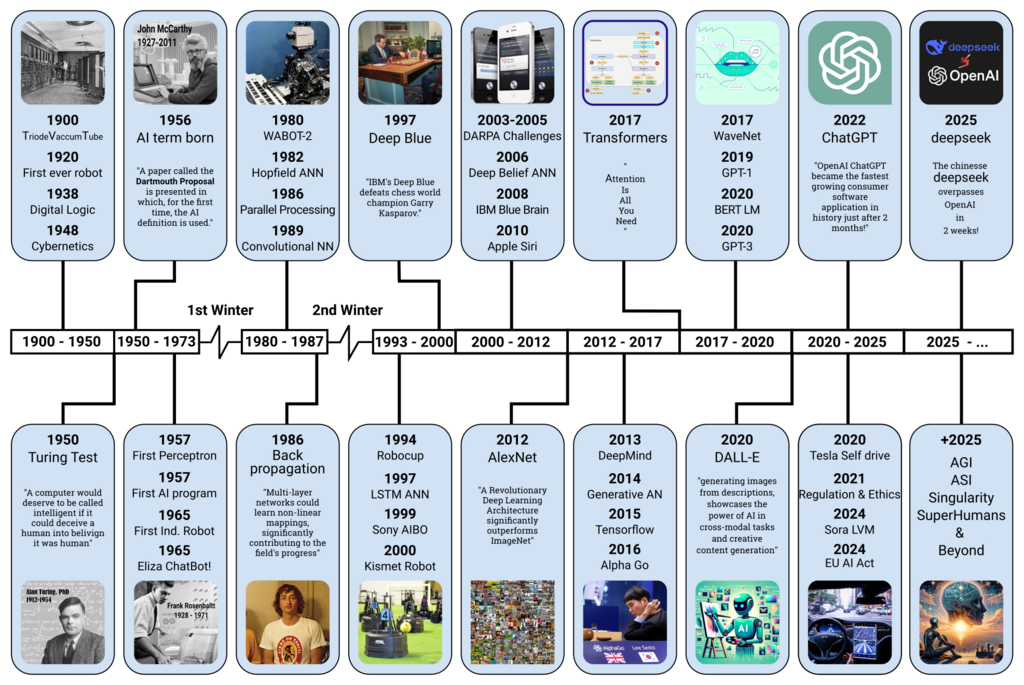
The idea of teaching machines language isn't new, but recent progress has been explosive. Early language models were based on statistical methods, which were good but limited. The real breakthrough came with the development of a new AI architecture called the Transformer in 2017. This design allowed models to handle long sequences of text much more effectively, paving the way for today's LLMs.
OpenAI's Generative Pre-trained Transformer (GPT) series marked a major turning point. Starting with GPT-2, these models showed a surprising ability to generate coherent and contextually relevant text. Each new version became significantly more powerful. Around the same time, other major players like Google developed their own powerful models, such as PaLM (Pathways Language Model), pushing the boundaries of what was possible.
The Recipe for a Powerful LLM
What makes one LLM more capable than another? Three main ingredients are crucial: model size, training data, and computing power.
Model Size: This refers to the number of 'parameters' in the model. You can think of parameters as the knobs and dials the model adjusts during training to learn patterns. Generally, more parameters mean a greater capacity to learn complex patterns in language. Early models had millions of parameters; the largest ones today have trillions.
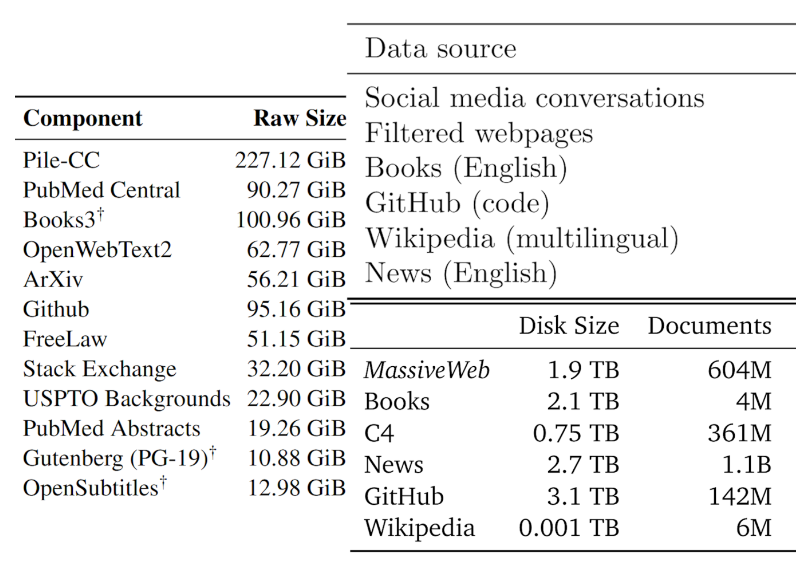
Training Data: LLMs learn by analyzing enormous datasets of text and code. This data often includes a huge snapshot of the public internet, digital books, articles, and more. The quality and diversity of this data are just as important as the quantity. A model trained on a wide variety of high-quality text will be more versatile and accurate.
Computational Resources: Training these massive models requires an immense amount of computational power. It involves thousands of specialized processors running for weeks or months straight in huge data centers. This step is incredibly expensive and energy-intensive, making it accessible to only a handful of large tech companies and research labs.
Challenges and Ethical Speed Bumps
Despite their impressive abilities, LLMs are far from perfect. They come with significant challenges that we are still learning to manage.
One of the biggest issues is bias. Since LLMs learn from text created by humans, they inherit our societal biases related to race, gender, and culture. If the training data contains stereotypes, the model will learn and potentially amplify them in its responses.
Another major problem is 'hallucination.' This is when an LLM confidently states something that is completely false. It's not lying in the human sense; it's simply generating text that is statistically plausible but factually incorrect.
Beyond these technical hurdles, there are broader ethical considerations. How do we prevent LLMs from being used to create misinformation or spam on a massive scale? What are the privacy implications of training models on public data that might contain personal information? These are active areas of research and public debate. As these models become more integrated into our lives, navigating these challenges responsibly is essential.
There is a significant body of work looking at the ethical considerations of large language models (LLMs): critiquing tools to measure performance and harms; proposing toolkits to aid in ideation; discussing the risks to workers; considering legislation around privacy and security etc.
Time to review what we've covered.
What is the fundamental task of a Large Language Model at its core?
What 2017 AI architecture was a major breakthrough that paved the way for modern LLMs like GPT?
Large language models are a powerful new technology with the potential to change how we interact with information and create content. Understanding their foundations is the first step to using them effectively and responsibly.