Exploring Boston
Colonial Foundations
A City on a Hill
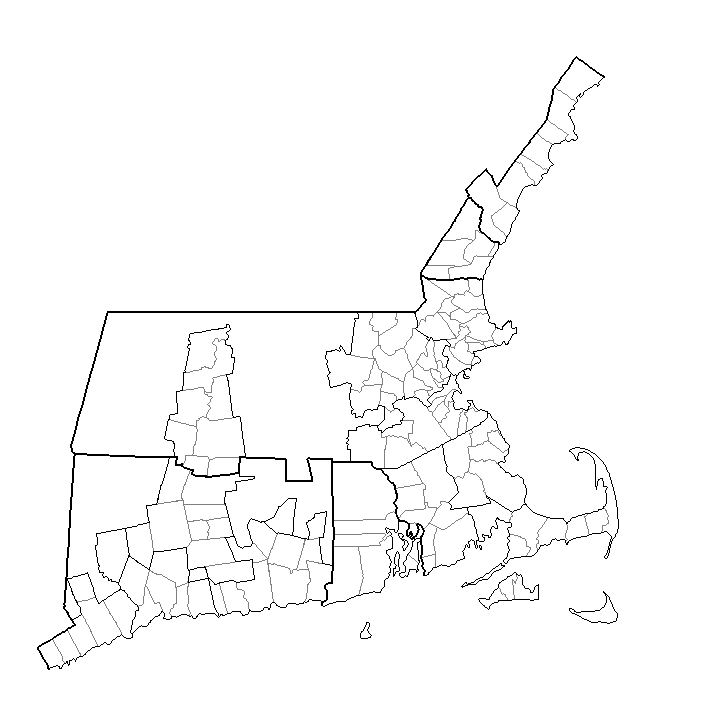
In 1630, a fleet of ships crossed the Atlantic, carrying around a thousand English Puritans. Led by John Winthrop, they weren't just seeking new land; they were on a mission to build a new kind of society. They chose a hilly peninsula the local Algonquian people called Shawmut, renamed it Boston, and set out to create a religious commonwealth. Winthrop famously envisioned their settlement as a "city upon a hill," a shining example of a godly community for the whole world to see.
Shaping a New Society
Early Boston's government was deeply intertwined with the Puritan church. It was a theocracy, where only male church members could vote or hold office. This system was designed to ensure that the colony's leaders were also its most devout. Community decisions were often made in town meetings, a form of local, participatory governance that became a hallmark of New England life.
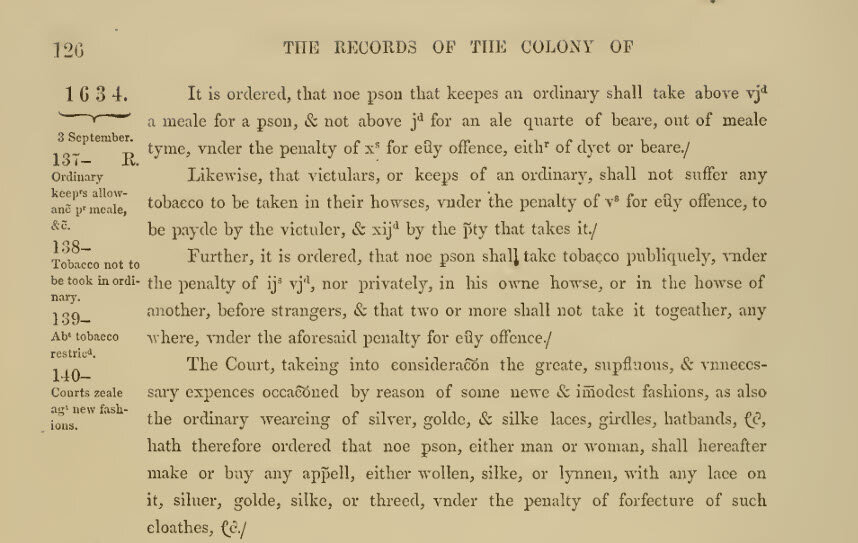
The core values of Puritanism—piety, hard work, and community obligation—were woven into the fabric of the city. Laws reflected this strict moral code, regulating everything from church attendance to personal attire. The goal was to create a stable, ordered society that honored God in all things. This foundation of civic and religious duty would shape Boston's identity for centuries.
Building a Colonial Capital
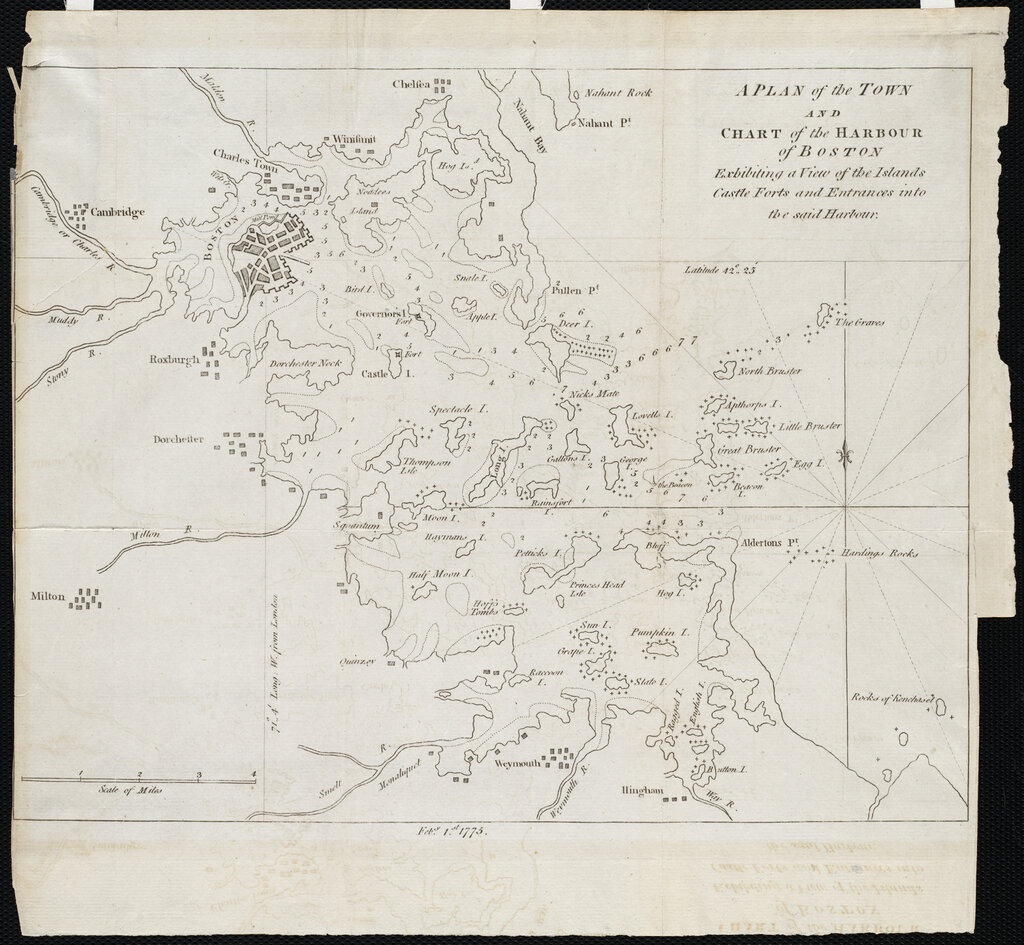
The Shawmut Peninsula was a small, hilly piece of land connected to the mainland by a narrow strip. Boston’s early streets were winding and narrow, following the natural contours of the land. As the population grew, the city expanded through ambitious land-filling projects that reshaped the coastline. Prominent areas like Beacon Hill, originally much steeper, became the home of the city's wealthy merchant class, its name a reference to a warning beacon placed at its summit.
At the heart of this bustling colonial town stood the Old State House. Built in 1713, it was the center of all civic life, housing the colonial government, courts, and merchants' exchange. From its balcony, royal decrees were read, and within its walls, the seeds of self-governance were sown.
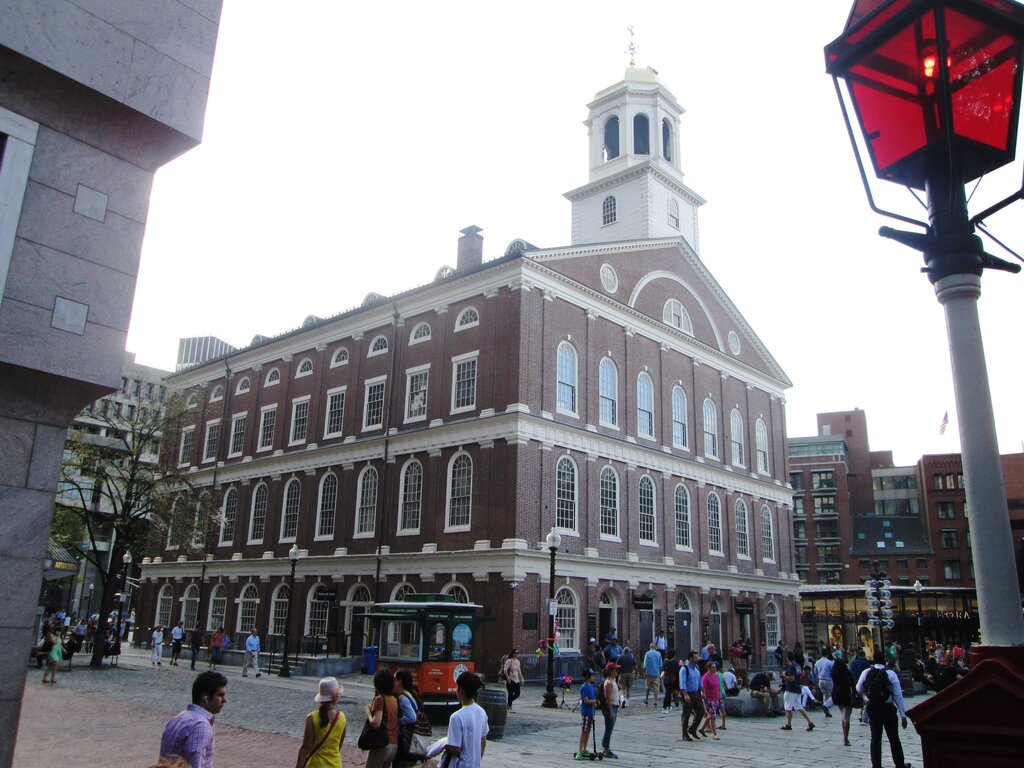
Nearby, another key landmark took shape. In 1742, a wealthy merchant named Peter Faneuil gifted a market building to the city. Faneuil Hall quickly became more than just a place to buy and sell goods. Its upstairs meeting hall became a vital public forum, a place for debate and protest that would later earn it the nickname "the Cradle of Liberty."
Let's review the foundations of colonial Boston.
Who led the Puritan fleet in 1630 and famously described their new settlement as a "city upon a hill"?
In early colonial Boston, the government was a theocracy, where only male church members could vote or hold political office.
These early Puritan values and institutions built the foundation for the city's future.