Exploring Beef Cuts
Beef Primal Cuts
Understanding Primal Cuts
When a cow is processed, it's first broken down into large sections called primal cuts. Think of these as the main neighborhoods of a city. Just as each neighborhood has its own character, each primal cut has unique qualities of flavor and texture. From these large sections, butchers create the smaller retail cuts you see at the store, like steaks and roasts.
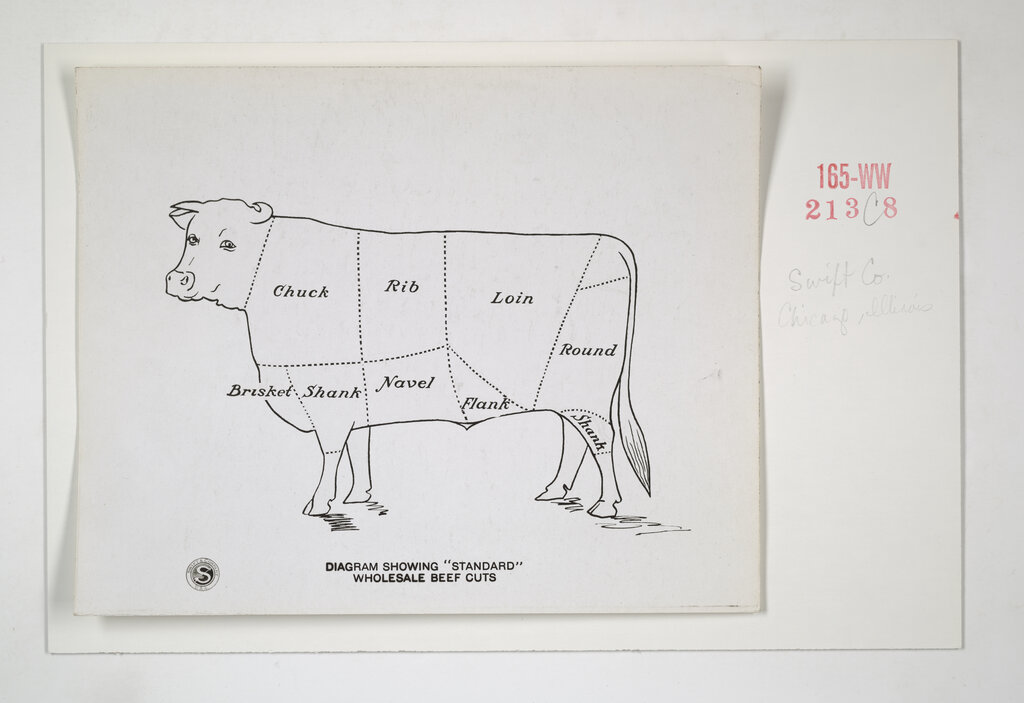
The key to understanding any cut of beef is knowing where it came from on the animal. A simple rule applies: muscles that get a lot of work are tougher, while muscles that do less work are more tender. The legs and shoulder do a lot of moving, so meat from these areas is flavorful but tough. The muscles along the back, however, are used less, making them the source of the most tender cuts.
Cuts from the Front
The front of the cow contains hard-working muscles, rich in connective tissue and flavor. These cuts benefit from slow cooking methods that break down that tissue and make the meat tender.
Chuck: This is the shoulder area. It’s a large, flavorful, and economical cut. Because the shoulder gets a lot of exercise, chuck is relatively tough. It's perfect for pot roasts, stews, and ground beef.
Brisket: Located in the cow's chest, the brisket supports a lot of weight. This results in a tough but very flavorful cut with a lot of connective tissue. It’s the star of barbecue, famous for being smoked low and slow for hours until it becomes incredibly tender.
Shank: This is the leg portion. As you can imagine, it's one of the toughest cuts. However, with slow, moist cooking like braising, it becomes fall-off-the-bone tender and is often used in soups or stews.
The Middle Cuts
The middle section, along the back and belly, is home to some of the most prized and tender cuts of beef.
Rib: Found in the upper-middle of the back, the rib section contains tender, well-marbled muscles. This is where you'll find ribeye steaks, prime rib roasts, and beef short ribs. These cuts are great for grilling, roasting, and broiling.
Loin: The loin sits behind the ribs and is the most tender and expensive part of the cow. It's divided into the short loin and the tenderloin. The short loin gives us strip steaks (New York strip) and T-bone steaks. The tenderloin provides the exceptionally tender filet mignon.
Plate & Flank: These are located on the underside of the cow. The plate, or short plate, is fatty and tough, yielding skirt steak and ground beef. The flank, found behind the plate, is a lean, flavorful muscle. Flank steak is popular for grilling but must be sliced thinly against the grain to be tender.
Generally, the less a muscle is used, the more tender the meat will be. This is why cuts from the back and ribs are prized for their tenderness.
Cuts from the Rear
The rear of the animal also has hard-working muscles, but they tend to be leaner than the front cuts.
Sirloin: Located just behind the loin, the sirloin is a bit less tender but still very flavorful. It’s a versatile cut that offers good value and is great for grilling, broiling, or sautéing. Top sirloin is a popular steak choice.
Round: This is the hind leg and rump of the cow. The round is a lean and relatively tough area. Cuts from the round, like round steak and eye of round roast, are best when cooked with moist heat, such as braising, or sliced thin for sandwiches like roast beef.
| Primal Cut | Location | General Texture | Best For |
|---|---|---|---|
| Chuck | Shoulder | Tough, flavorful | Stews, Pot Roasts |
| Rib | Upper Back | Tender, marbled | Grilling, Roasting |
| Loin | Mid-Back | Very Tender | Grilling, Broiling |
| Sirloin | Rear Back | Moderately Tender | Grilling, Sautéing |
| Round | Hind Leg | Lean, Tough | Roasting, Braising |
| Brisket | Chest | Tough, flavorful | Smoking, Braising |
| Plate | Belly | Fatty, Tough | Grilling (Skirt) |
| Flank | Lower Belly | Lean, flavorful | Grilling |
| Shank | Leg | Very Tough | Soups, Stews |
Now that you know the basics of where each cut comes from, let's see how well you can place them.
What is the general rule regarding the tenderness of a cut of beef?
Which primal cut is known for being the most tender and is the source of filet mignon and New York strip steaks?