Exploring Atma Jnana Self-Knowledge
Introduction to Atma Jnana
The Quest for the Self
In Hindu philosophy, the most profound journey isn't to a faraway land, but inward. It's a journey to answer the fundamental question: "Who am I?" This exploration is called Atma Jnana, a Sanskrit term that translates to self-knowledge. It's not about knowing your personality traits or your life story. It's about discovering your true, essential nature.
Let's break down the term. It's composed of two core concepts: Atma and Jnana.
Atma
noun
The true, immortal Self within every living being. It is the pure, unchanging consciousness that is distinct from the body, mind, and ego.
The Atma is your spiritual essence, the silent witness behind all your thoughts and actions. It's the part of you that was never born and will never die. Most of us, however, identify with our temporary self—the body that ages, the mind that worries, and the ego that seeks validation. This case of mistaken identity is considered the root of suffering.
Jnana
noun
Knowledge, insight, or wisdom. In this context, it refers to a deep, experiential understanding, rather than mere intellectual or bookish learning.
So, Atma Jnana is the direct, intuitive realization of the Atma. It's the moment of clarity when you stop identifying with the temporary and recognize your true nature as eternal consciousness.
Knowledge That Liberates
Why is this self-knowledge so important? Because it is the key to moksha, or spiritual liberation. Moksha is freedom from samsara, the endless cycle of birth, death, and rebirth driven by karma.
According to Hindu thought, we are bound to this cycle because of ignorance (avidya) of our true Self. We chase fleeting pleasures and run from temporary pains because we believe we are the body and mind. Atma Jnana cuts through this ignorance.
When you realize your Atma, you understand that it is one with Brahman, the ultimate, universal reality. You see that the individual soul and the cosmic soul are not separate. This realization frees you from the chains of karma and the cycle of rebirth.
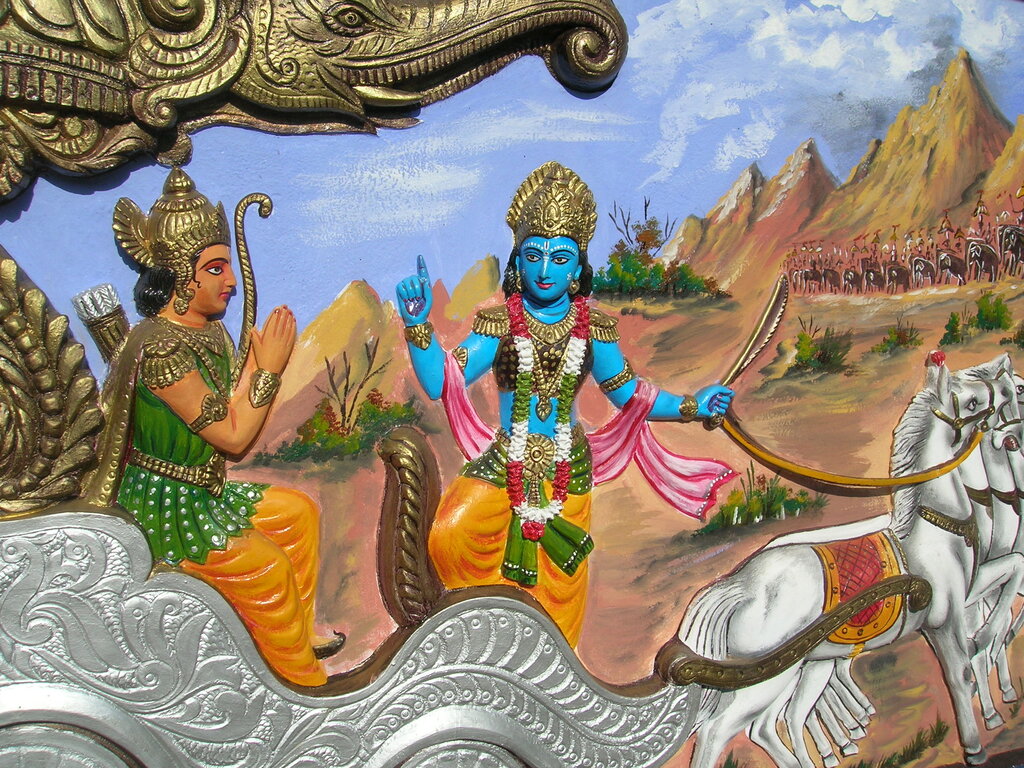
This idea is central across many schools of Hindu thought. While the paths may differ, the destination is often the same: self-realization.
For Shankaracharya, Jnana Yoga—the pursuit of knowledge—was the key to liberation.
In the tradition of Advaita Vedanta, for example, Atma Jnana is the primary focus. The path of knowledge, or Jnana Yoga, uses scripture, reason, and meditation to discern the real (Atma) from the unreal (the body-mind complex). Other traditions, like Bhakti Yoga (the path of devotion) or Karma Yoga (the path of selfless action), also lead to the same ultimate understanding of the Self, just through different means.
Ultimately, Atma Jnana is not about adding new information, but about uncovering the truth that has always been present within.