Exploring Astrology
Ancient Origins
The First Stargazers
Long before daily horoscopes, ancient civilizations looked to the skies for meaning. They saw the movements of the sun, moon, and planets not as random events, but as divine messages. This practice of interpreting celestial events, known as astrology, began in Mesopotamia, the land between the Tigris and Euphrates rivers.
Babylonian priests were the first professional astronomers. Around 3000 BCE, they began meticulously recording the movements of celestial bodies on clay tablets. They weren't trying to predict your love life; their focus was on the fate of the king and the kingdom. An eclipse or the appearance of a comet might foretell a flood, a famine, or the outcome of a battle. This form of astrology is called mundane astrology, as it deals with worldly events.
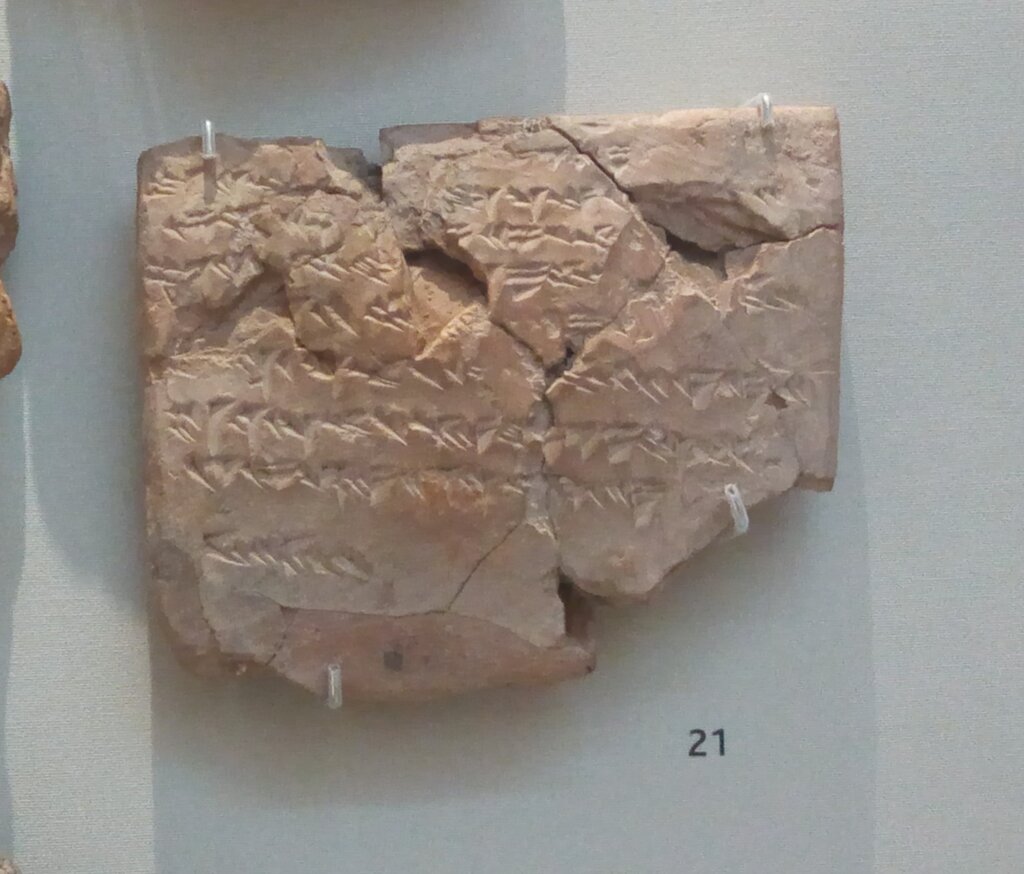
The Babylonians created one of the most enduring concepts in astrology: the zodiac. They noticed the sun appeared to travel through a specific band of constellations over the course of a year. They divided this path into twelve equal segments and named them after the constellations within them, creating the zodiac signs we know today. These signs served as a celestial calendar, helping them track time and seasons.
Egypt's Celestial Clock
While the Mesopotamians were reading omens, the ancient Egyptians were developing their own unique relationship with the stars. Their astrology was deeply practical and tied to their survival. They used the sky as a giant clock and calendar, crucial for knowing when to plant crops along the Nile River.
The Egyptians' most important celestial event was the heliacal rising of the star Sirius. This is when Sirius first becomes visible above the eastern horizon just before sunrise. This event reliably occurred just before the annual flooding of the Nile, which was essential for fertilizing their agricultural lands. Their entire calendar was built around this stellar event.
The Egyptians also developed the concept of the decans. These were 36 groups of stars or constellations that rose consecutively on the horizon throughout each night. The rising of each decan marked a new hour, allowing them to tell time in the dark.
Unlike the Babylonians, early Egyptian astrology was less about predicting specific events and more about marking time and organizing religious festivals. It was only later, after contact with Mesopotamian and Greek cultures, that they adopted the zodiac and began creating personal horoscopes.
A Different Sky in China
Halfway across the world, another sophisticated system of astrology developed independently in China. Chinese astrology is fundamentally different from its Western counterpart. It’s built on a complex foundation of concepts like yin and yang, the Five Elements (Wood, Fire, Earth, Metal, Water), and a 12-year cycle.
The most famous part of this system is the Chinese zodiac, with its twelve animal signs. Legend says the Buddha invited all animals to a great race, and the first twelve to finish were given a place in the zodiac. Each animal rules a year in a 12-year cycle, which is based on the orbital period of Jupiter, known in China as the Year Star.
| Animal | Element | Trine |
|---|---|---|
| Rat | Water | 1st (Yang) |
| Ox | Earth | 2nd (Yin) |
| Tiger | Wood | 3rd (Yang) |
| Rabbit | Wood | 4th (Yin) |
| Dragon | Earth | 1st (Yang) |
| Snake | Fire | 2nd (Yin) |
| Horse | Fire | 3rd (Yang) |
| Goat | Earth | 4th (Yin) |
| Monkey | Metal | 1st (Yang) |
| Rooster | Metal | 2nd (Yin) |
| Dog | Earth | 3rd (Yang) |
| Pig | Water | 4th (Yin) |
Chinese astrologers served the emperor, providing guidance on everything from military strategy to the best time for royal ceremonies. Their observations were aimed at maintaining harmony between heaven, Earth, and humanity. This cosmic balance was considered essential for the stability and prosperity of the empire.
These ancient cultures, though separated by vast distances, shared a common belief: what happens above is reflected below. Their careful observations and unique interpretations of the cosmos laid the foundation for the diverse astrological traditions that would evolve over centuries.
What was the primary focus of early Babylonian astrology, also known as mundane astrology?
The ancient Egyptians' calendar was critically linked to the heliacal rising of which star?