Exploring Asia
Introduction to Asia
What Is Asia?
Asia is, simply put, enormous. It's the world's largest and most populous continent, covering about 30% of Earth's land area and housing nearly 60% of its people. It's a place of incredible diversity, from the frozen tundra of Siberia to the tropical rainforests of Indonesia.
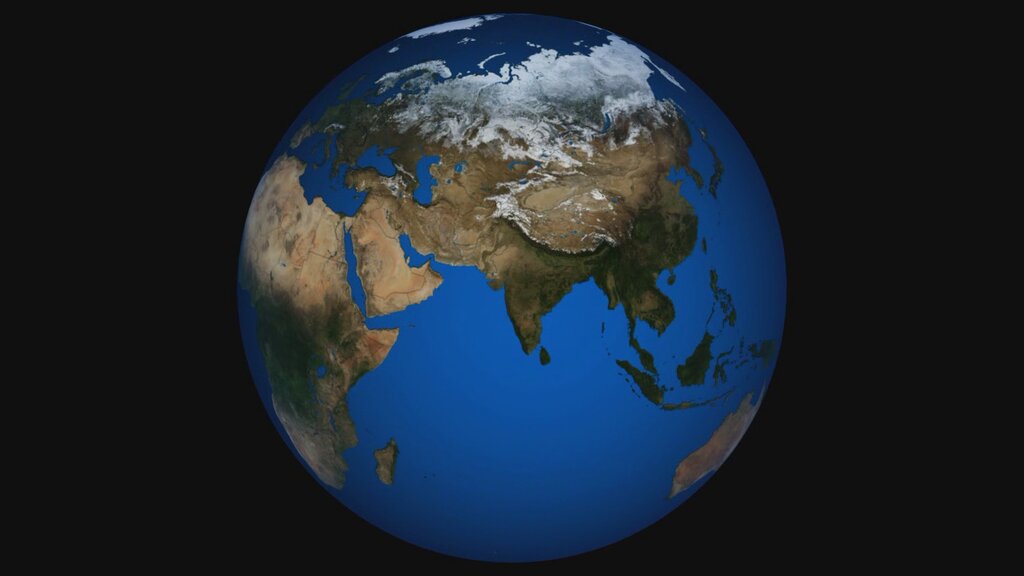
Where does Asia begin and end? The boundaries are mostly clear. The Arctic Ocean sits to the north, the Pacific Ocean to the east, and the Indian Ocean to the south. The border with Africa is well-defined by the Suez Canal.
The line between Asia and Europe is a bit more complicated. It's not a clear-cut physical barrier but more of a historical and cultural convention. Geographers generally draw the line along the Ural Mountains, the Ural River, the Caspian Sea, the Caucasus Mountains, and the Black Sea. This means some countries, like Russia and Turkey, are transcontinental, with land in both Europe and Asia.
A Continent of Regions
Because Asia is so massive, it’s helpful to break it down into smaller, more manageable regions. Each region has its own distinct geography, climate, and cultural patterns. The most common way to divide the continent is into five major areas.
Here’s a quick look at these five regions and some of the countries they include:
| Region | Key Characteristics & Major Countries |
|---|---|
| West Asia | Often called the Middle East. Mostly arid or semi-arid. |
| Saudi Arabia, Iran, Iraq, Turkey, Israel | |
| Central Asia | Landlocked region with vast steppes and deserts. |
| Kazakhstan, Uzbekistan, Turkmenistan | |
| South Asia | Dominated by the Indian subcontinent and Himalayan mountains. |
| India, Pakistan, Bangladesh, Nepal, Sri Lanka | |
| East Asia | Includes major economic powers and densely populated areas. |
| China, Japan, South Korea, North Korea, Mongolia | |
| Southeast Asia | A region of peninsulas and thousands of islands. |
| Indonesia, Vietnam, Thailand, Philippines, Malaysia |
Land of Extremes
Asia's geography is a study in superlatives. It contains both the highest point on Earth, Mount Everest in the Himalayas, and the lowest, the shore of the Dead Sea.
The continent is crisscrossed by massive mountain ranges. The Himalayas, home to the world's tallest peaks, form a giant wall between South Asia and East Asia. Other significant ranges include the Tian Shan in Central Asia and the Zagros Mountains in West Asia.
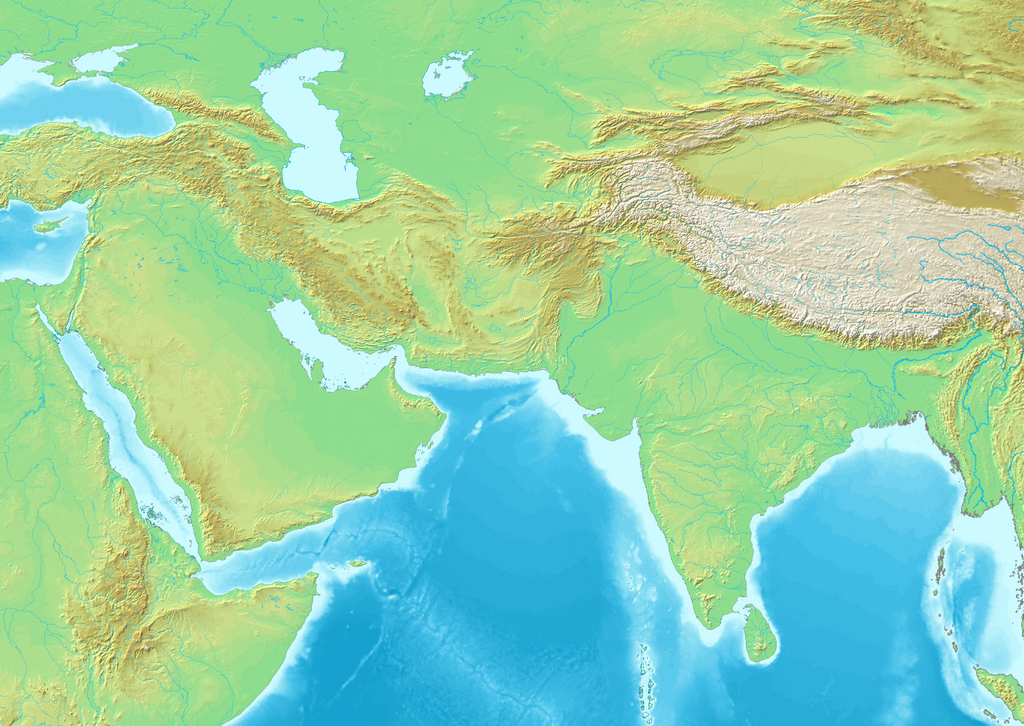
Great rivers flow from these highlands, creating fertile plains that have supported civilizations for millennia. The Yangtze and Yellow Rivers in China, the Ganges in India, and the Mekong in Southeast Asia are lifelines for hundreds of millions of people.
But Asia also has vast, dry expanses. The Arabian Desert in West Asia and the Gobi Desert in China and Mongolia are among the largest in the world. These contrast sharply with the Siberian plains to the north and the lush tropical islands of Southeast Asia.
This incredible variety in landscape leads to an equally stunning range of climates.
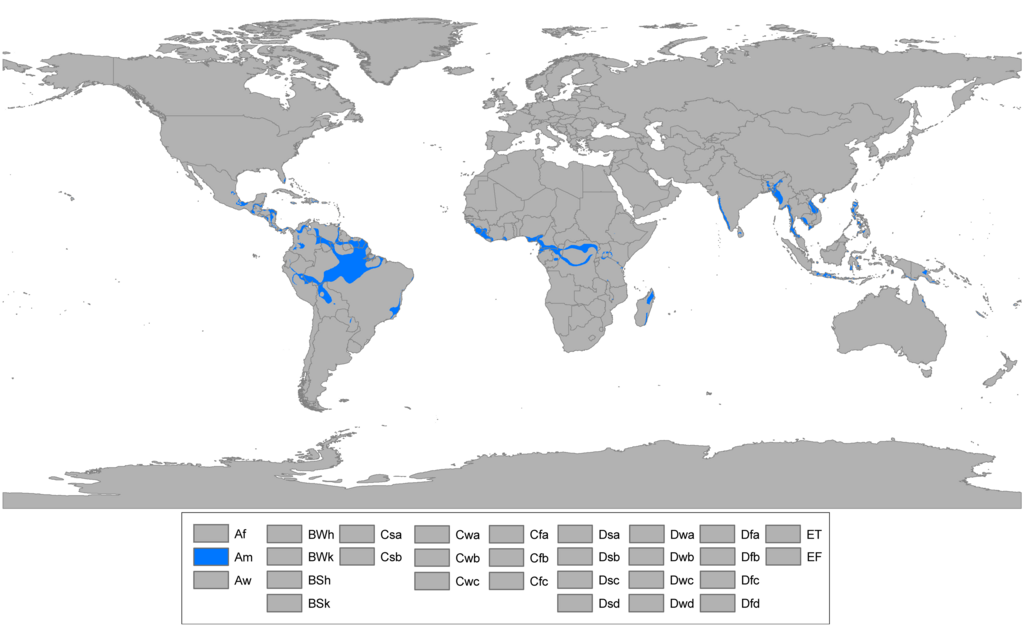
In the far north, Siberia experiences a frigid Arctic climate. Much of Central and West Asia is arid. South and Southeast Asia are dominated by monsoons, with distinct wet and dry seasons that shape life in the region. East Asia has a temperate climate, similar to parts of North America or Europe, with four distinct seasons.
This overview just scratches the surface of Asia's immense geographical diversity. Understanding these regions, landforms, and climates is the first step to appreciating the complex histories and cultures that have developed across this vast continent.