Exploring Artificial General Intelligence
Introduction to Artificial Intelligence
What Is Artificial Intelligence?
Artificial intelligence, or AI, is about creating computer systems that can perform tasks that typically require human intelligence. This includes things like learning from experience, solving problems, understanding language, and recognizing objects in images.
Artificial intelligence (AI) is a wide-ranging tool that enables people to rethink how we integrate information, analyze data, and use the resulting insights to improve decision making—and already it is transforming every walk of life.
Think of it as teaching a machine to think and adapt. Instead of just following a strict set of pre-programmed instructions, an AI system can analyze new information and adjust its behavior accordingly. The goal isn't necessarily to replicate the human mind perfectly, but to build useful tools that can handle complex tasks.
Artificial Intelligence
noun
The theory and development of computer systems able to perform tasks that normally require human intelligence, such as visual perception, speech recognition, decision-making, and translation between languages.
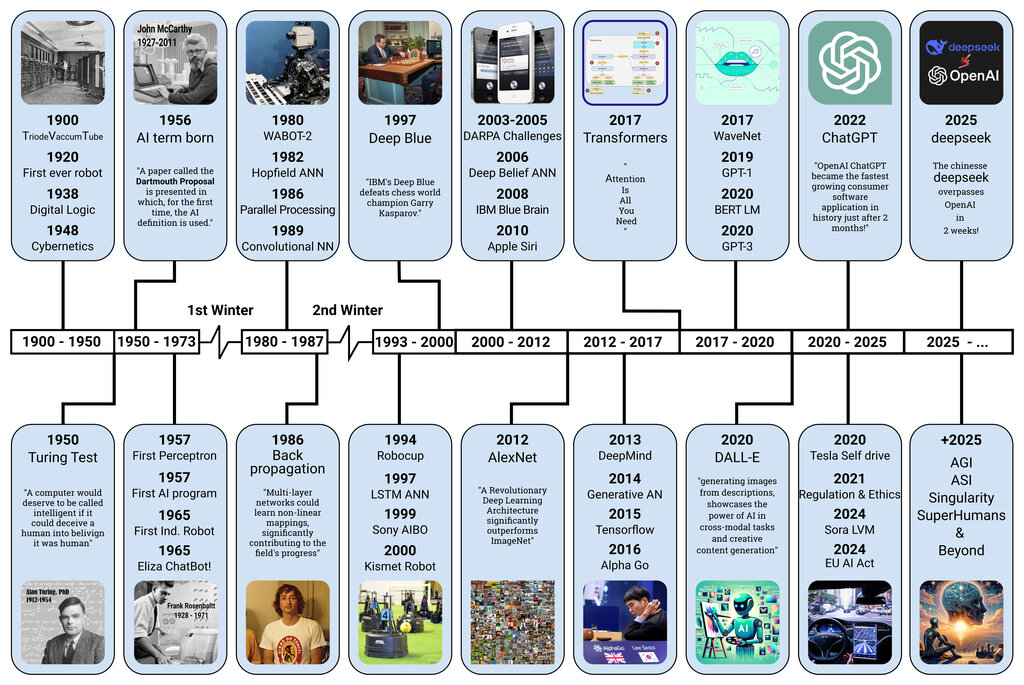
The idea of AI has been around for a long time, but it's only in recent decades that we've had the computing power to make it a reality. The field officially began in the 1950s, and it has gone through periods of rapid progress and slower development, often called "AI winters."
AI in the Real World
You probably interact with AI every day without even realizing it. It's the engine behind many of the technologies we now take for granted.
In healthcare, AI helps doctors diagnose diseases earlier and more accurately by analyzing medical images like X-rays and MRIs. In finance, it detects fraudulent transactions by spotting unusual patterns in your spending. And in entertainment, it powers the recommendation engines on streaming services that suggest what you should watch next.
AI is also crucial for self-driving cars, which use it to see the road, understand traffic signs, and make driving decisions in real-time.
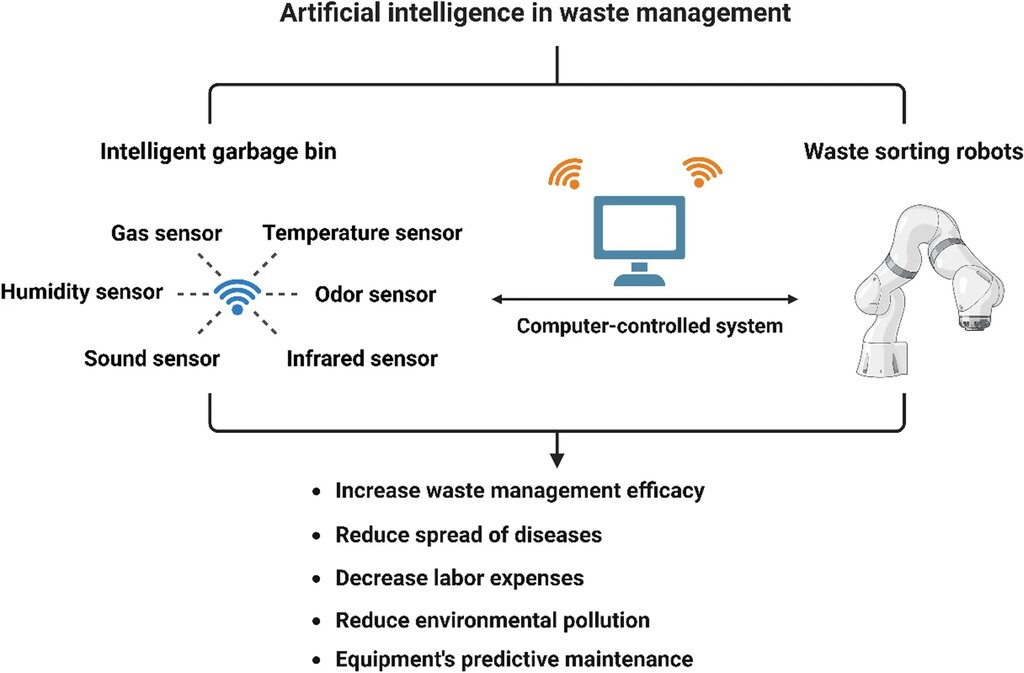
Other applications are widespread. Retail companies use AI to manage their inventory and predict what products customers will want to buy. In manufacturing, AI-powered robots work alongside humans to assemble products with incredible speed and precision. Even farming is being transformed, with AI helping to monitor crop health and optimize water usage.
Two Kinds of AI
When people talk about AI, they're usually referring to one of two broad categories: Artificial Narrow Intelligence (ANI) and Artificial General Intelligence (AGI).
Understanding the difference between ANI and AGI is key to understanding where AI is today and where it might go in the future.
Artificial Narrow Intelligence, sometimes called "Weak AI," is what we have today. This type of AI is designed to perform a single, specific task very well. A chess program that can beat a grandmaster is a form of ANI. So is a spam filter for your email, a voice assistant like Siri, or an app that translates languages.
These systems can be incredibly powerful and sophisticated, but they operate within a limited, pre-defined range. A chess AI can't write a poem, and a spam filter can't diagnose a medical condition. They are specialists.
Artificial General Intelligence, or "Strong AI," is the more futuristic concept. This refers to an AI with the ability to understand, learn, and apply its intelligence to solve any problem, much like a human being. An AGI could learn to play chess, write a poem, and diagnose a disease all on its own, without being specifically programmed for each task.
AGI
noun
Artificial General Intelligence. A type of artificial intelligence that possesses the ability to understand, learn, and apply its intelligence to a wide range of tasks, essentially mimicking human-like cognitive abilities.
It's important to be clear: AGI does not currently exist. It is a theoretical goal that researchers are working toward. All the AI applications you see and use today are examples of Narrow AI.
Ready to check your understanding? Let's see what you've learned.
Which of the following best describes the primary goal of Artificial Intelligence as explained in the text?
A smartphone app that identifies a specific species of plant from a photo is an example of what?
Now you have a foundational understanding of what AI is, where it came from, and the important distinction between the AI of today and the AI of tomorrow.