Exploring American Accents
Introduction to American English Accents
Everyone Has an Accent
Let's get one thing straight: everyone who speaks has an accent. An accent is simply a distinct way of pronouncing a language. It’s shaped by where you grew up, your social background, and even your first language.
Often, people use the words “accent” and “dialect” interchangeably, but they aren’t quite the same. A dialect is a broader term that includes not just pronunciation, but also vocabulary and grammar specific to a group of speakers. Think of an accent as one ingredient in the recipe of a dialect.
accent
noun
A distinctive mode of pronunciation of a language, especially one associated with a particular nation, locality, or social class.
In the United States, there is no single “correct” American accent. The variety is huge. What someone in Boston considers normal speech might sound very different to someone in Alabama or California. These differences aren't mistakes; they are the natural result of history, geography, and culture.
A Map of American Voices
Linguists often divide the United States into several major dialect regions. While the exact boundaries are fuzzy and constantly shifting, we can talk about a few broad areas where people tend to sound similar to one another.
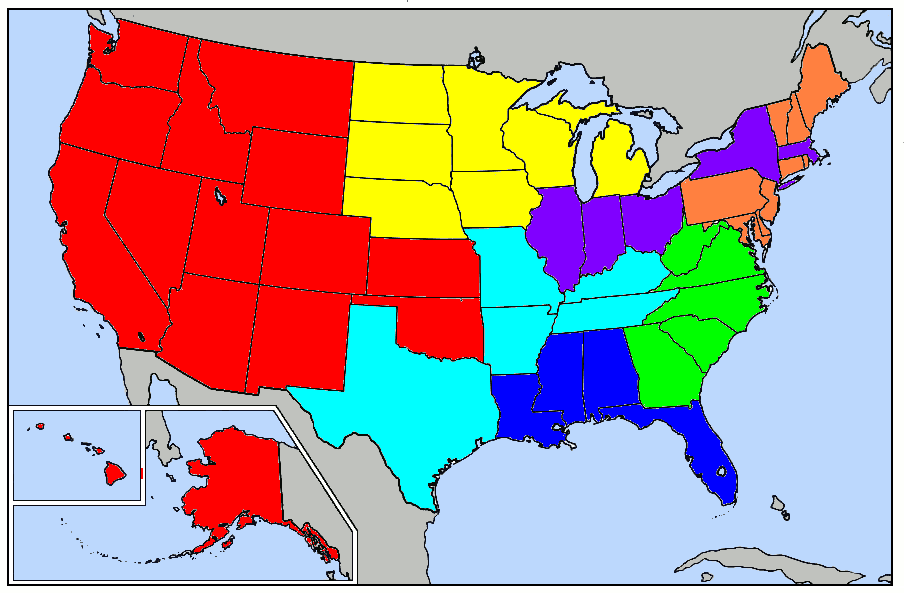
The North: This region includes New England and the Great Lakes area. It’s known for accents that often drop the ‘r’ sound in words like car (making it sound like “cah”) and for a distinct vowel sound in words like coffee.
The South: Southern American English is perhaps the most widely recognized regional dialect. It’s characterized by features like the “Southern drawl,” where vowels are stretched out, and unique vocabulary, such as using “y’all” for “you all.”
The Midland: Stretching from Pennsylvania to parts of Kansas and Oklahoma, this region is often considered a transition zone. Some linguists believe the Midland accent is closest to what many people think of as a “standard” or “neutral” American accent, partly because it lacks the most distinct features of Northern or Southern speech.
The West: The West is the largest and youngest dialect region. Because it was settled more recently by people from all over the country, accents here are more uniform. However, distinct features are emerging, especially in California, with its own unique vowel sounds and slang.
Where Do Accents Come From?
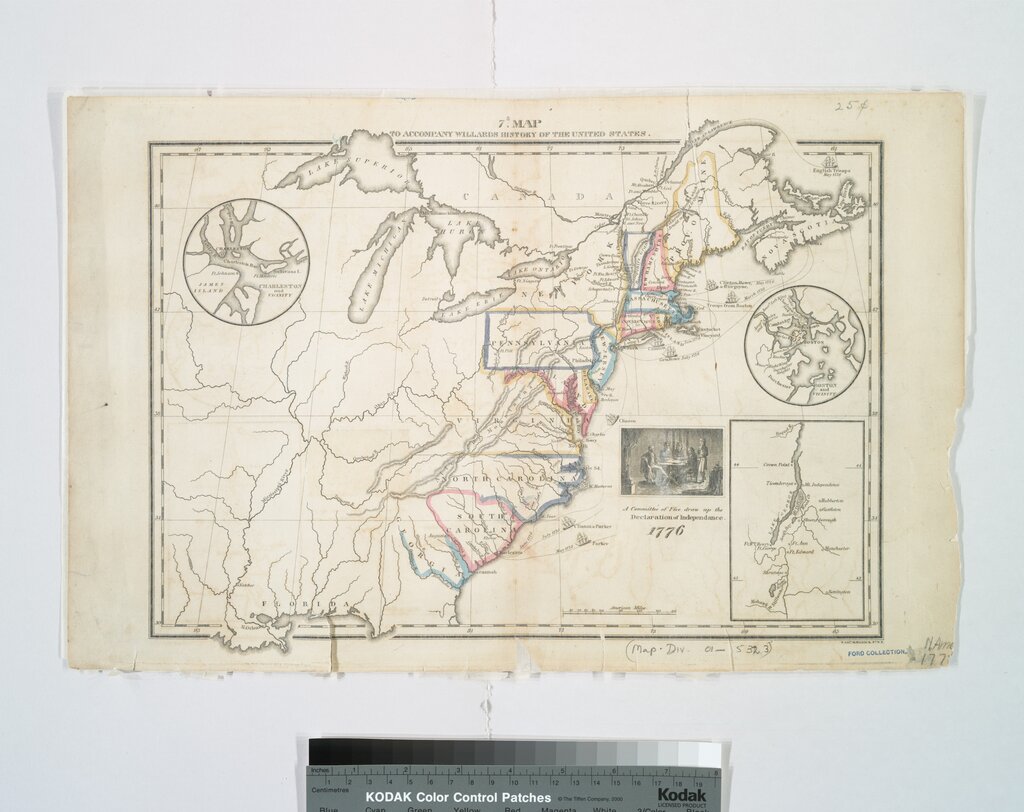
American accents didn't appear out of thin air. They are the product of centuries of history. The first English-speaking settlers who came to North America in the 17th century brought their own regional British accents with them. Colonists from the east of England settled in New England, while those from the south and west of England settled in Virginia. These different starting points created the initial seeds of American dialect diversity.
Over time, other influences mixed in. Waves of immigrants from Ireland, Germany, Italy, and many other countries added new words and sounds to the mix. The languages of enslaved Africans also had a profound impact, particularly on the development of Southern dialects.
Geography played a role, too. Physical barriers like mountains and rivers kept communities isolated from one another. This isolation allowed unique ways of speaking to develop and solidify. In contrast, today's world of mass media and increased mobility is causing some accents to soften and blend together. Yet, for many, a regional accent remains a powerful part of their identity, a connection to home and community.
An accent is a living piece of history, reflecting the story of the people who speak it.
Now that you have an overview of American accents, let's test your knowledge.
What is the primary difference between an accent and a dialect?
There is a single, official "correct" American accent that all speakers should strive for.
Understanding the diversity of accents is the first step toward appreciating the rich tapestry of the English language in America.