Exploring AIGC
Introduction to AIGC
What is AI-Generated Content?
Artificial Intelligence Generated Content, or AIGC, is exactly what it sounds like: content created by an AI. Instead of a person writing an article, composing a song, or designing an image, a machine does it. These AI systems learn from vast amounts of existing data—like text, images, and sounds from the internet—and then use that knowledge to produce something entirely new.
Generative AI is a branch of artificial intelligence that focuses on creating new content such as text, images, code, music and video using models like transformers, GANs and diffusion models.
Think of it like an apprentice who has studied every book in a library. After reading everything, the apprentice can not only answer questions but also write original stories in the style of any author they've studied. AIGC works on a similar principle, but on a much larger scale.
The Many Forms of AIGC
AIGC isn't just one thing; it comes in many different flavors. The most common forms are text, images, audio, and video.
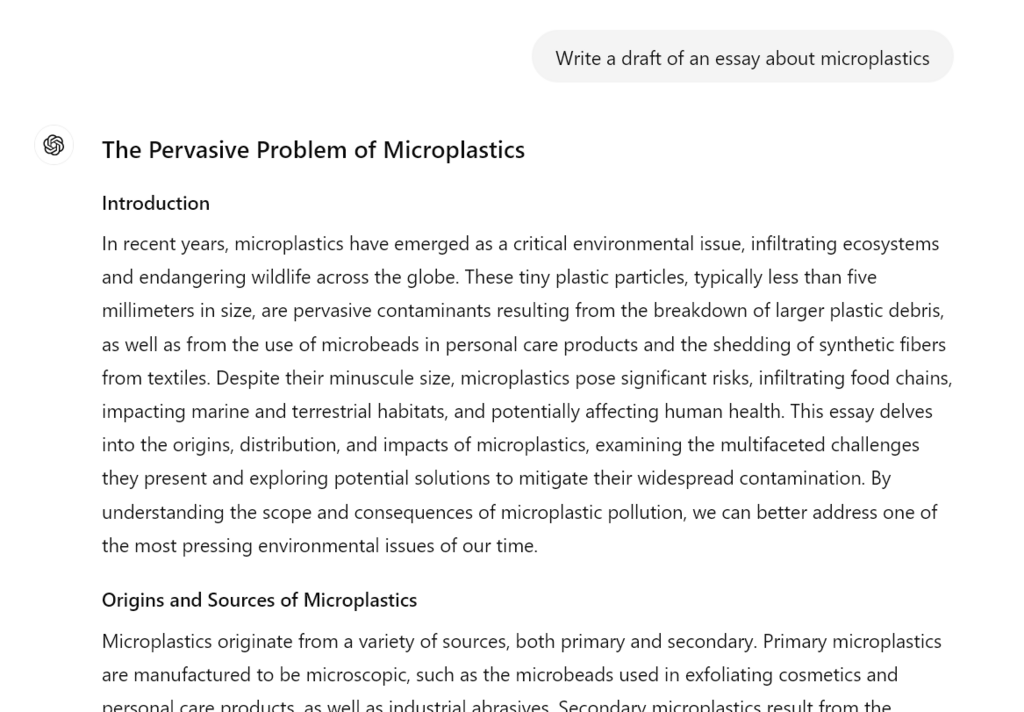
Text: This is the most widespread form of AIGC. AI can write emails, articles, marketing copy, social media posts, and even computer code. Tools like ChatGPT can generate human-like text on almost any topic you can imagine.
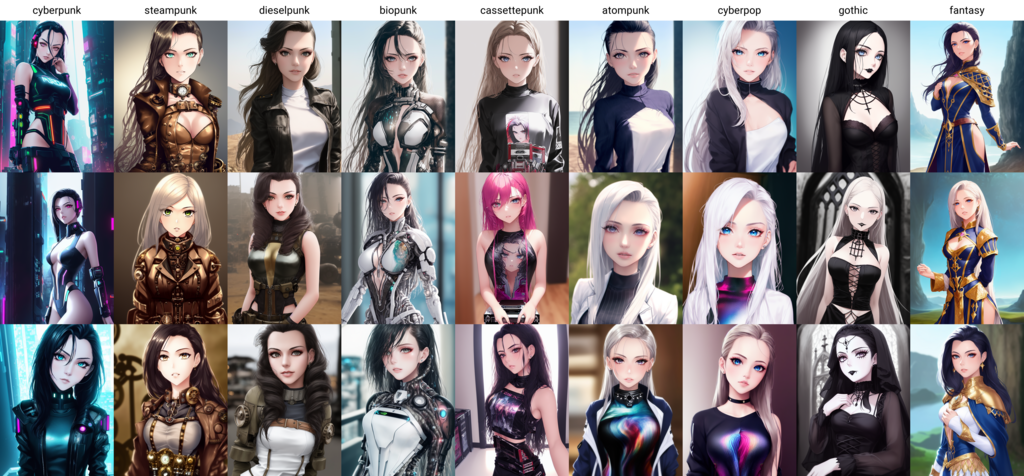
Images: You can now create stunning, complex images simply by describing what you want to see. AI image generators can produce everything from photorealistic portraits to fantasy landscapes. This has opened up new creative avenues for artists, designers, and marketers.
Audio: AI can compose original music in different genres, create realistic voiceovers for videos, or even clone a person's voice from a short audio sample.
Video: While still an emerging area, AI is already capable of generating short video clips from text descriptions or editing existing footage. This technology is rapidly evolving and promises to change how videos are produced.
| Content Type | Description | Common Use Cases |
|---|---|---|
| Text | AI writes original text based on prompts. | Articles, emails, code, ad copy |
| Images | AI creates visuals from text descriptions. | Digital art, marketing materials, concept design |
| Audio | AI composes music or generates speech. | Background music, voiceovers, podcasts |
| Video | AI generates or edits video clips. | Short social media clips, promotional videos |
Why AIGC Matters
The rise of AIGC is significant because it dramatically changes the speed and scale at which creative content can be produced. It acts as a powerful tool that can boost human creativity and efficiency. Industries are already using it to streamline workflows, personalize customer experiences, and explore new ideas.
For example, a marketing team can generate dozens of ad variations in minutes instead of days. A software developer can get help writing complex code, freeing them up to focus on problem-solving. A researcher can use AI to quickly summarize thousands of pages of documents.
AIGC is not about replacing human creativity but augmenting it. It provides a starting point, handles repetitive tasks, and allows people to focus on higher-level strategy and refinement.
Now that you have a basic understanding of what AIGC is and what it can do, let's test your knowledge.
What is the fundamental principle behind how AIGC systems generate new content?
A marketing team uses an AI to create fifty different background images for an ad campaign, then has a graphic designer select the best five and refine them. This is an example of AIGC...
This is just the beginning. Understanding AIGC is the first step in learning how to use these powerful tools effectively and responsibly.