Exploring AI Tools
Introduction to AI
What Is Artificial Intelligence?
Artificial Intelligence, or AI, is the simulation of human intelligence in machines. Think of it as creating computer systems that can perform tasks that typically require human smarts, like learning, reasoning, problem-solving, and understanding language.
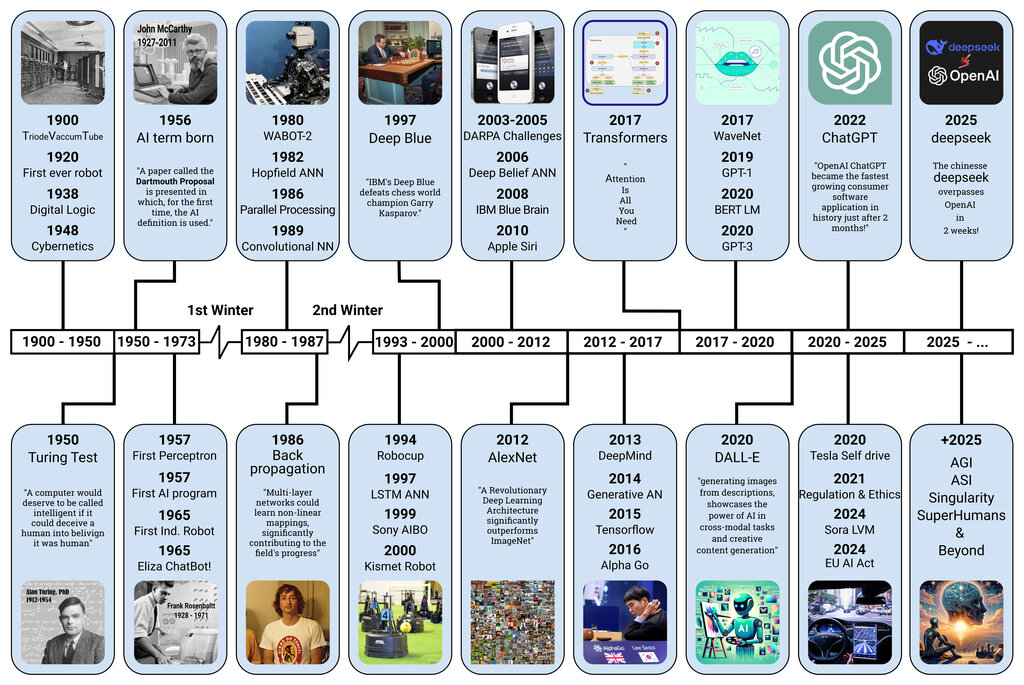
The idea isn't new. Philosophers have long wondered if we could create artificial beings. But the modern field of AI really kicked off in the summer of 1956 at a workshop at Dartmouth College. That's where the term "artificial intelligence" was first used. Since then, the field has seen periods of incredible excitement and quiet lulls, leading to the powerful tools we see today.
The Building Blocks of AI
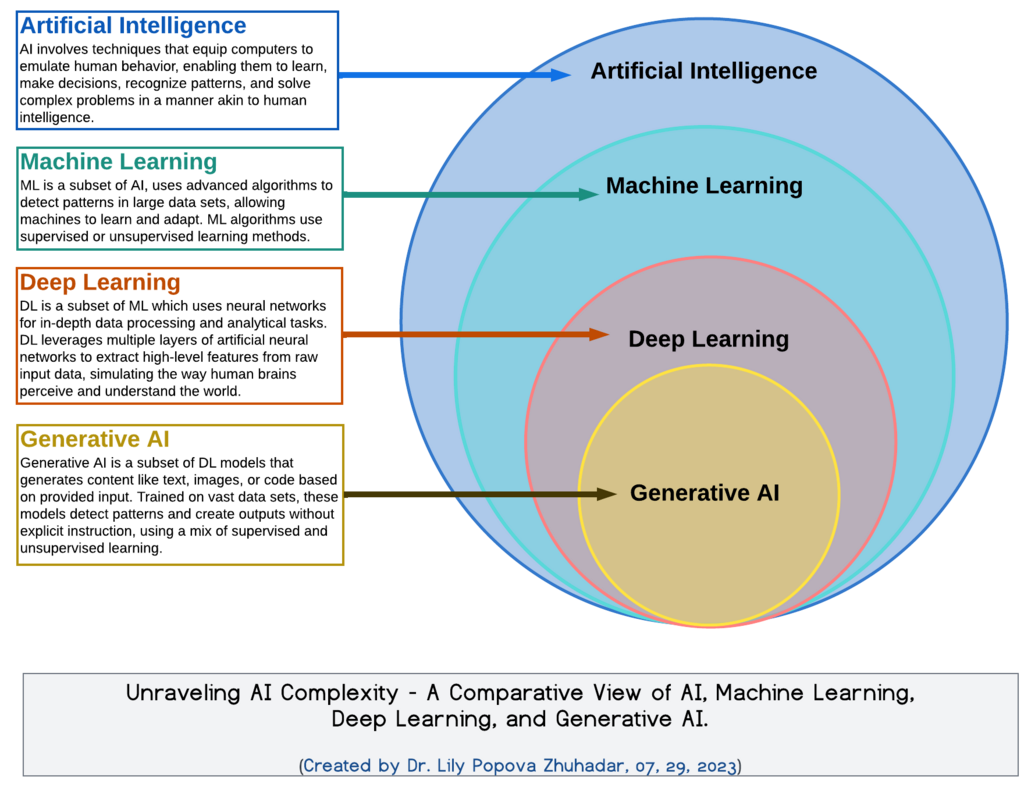
You'll often hear terms like Machine Learning and Deep Learning used alongside AI. They aren't the same thing, but they are related. AI is the broad, overall concept. Machine Learning is a specific way to achieve AI, and Deep Learning is an even more specialized technique within Machine Learning.
So what are these building blocks?
Machine Learning (ML) is a method of teaching a computer to make predictions or decisions without being explicitly programmed for that specific task. Instead of writing step-by-step rules, developers feed the system huge amounts of data. The system then learns patterns from that data. For example, to teach a machine to recognize pictures of cats, you don't describe what a cat looks like. You just show it thousands of cat photos until it learns the features on its own.
Neural Networks are a key part of many ML models. They're inspired by the human brain, with interconnected nodes, or "neurons," that process information in layers. When a neural network has many layers, it's called Deep Learning. Each layer learns to detect more complex features. In our cat example, the first layer might spot simple edges, the next might combine those edges into shapes like ears or whiskers, and a deeper layer might recognize a complete cat face.
Deep Learning is what powers many of today's most advanced AI applications, from voice assistants to self-driving cars.
Four Types of AI
Not all AI is created equal. Researchers often classify AI systems into four types based on their capabilities. Most of what we have today falls into the first two categories. The last two are still largely theoretical.
| Type | Description | Example |
|---|---|---|
| Reactive Machines | Can't form memories or use past experiences to inform current decisions. It reacts to the world as it sees it in the moment. | IBM's Deep Blue, which beat chess champion Garry Kasparov. It analyzed the board and made the best move, but it didn't "remember" past games. |
| Limited Memory | Can look into the past. It uses past data and experiences to make better decisions. | Self-driving cars. They observe the speed and direction of other cars, which helps them predict what might happen next and drive more safely. |
| Theory of Mind | A future type of AI that could understand emotions, beliefs, and thoughts—the things that affect human behavior. | An AI that could understand why you're frustrated and adjust its behavior accordingly. This doesn't exist yet. |
| Self-Aware AI | The most advanced and hypothetical type. This AI would have its own consciousness, self-awareness, and maybe even feelings. | This is the stuff of science fiction, like the sentient robots you see in movies. We are a very long way from creating this. |
This framework helps us understand where AI is now and where it might be headed. For now, we are still mastering the capabilities of Limited Memory AI.
Ready to test your knowledge?
Which of the following best describes the relationship between Artificial Intelligence (AI), Machine Learning (ML), and Deep Learning?
The modern field of AI, and the term "artificial intelligence" itself, originated at a 1956 workshop held at which institution?
Understanding these core concepts is the first step in seeing how AI works and how it's changing the world around us.