Exploring AI Tools
AI Tool Types Overview
Sorting the AI Toolbox
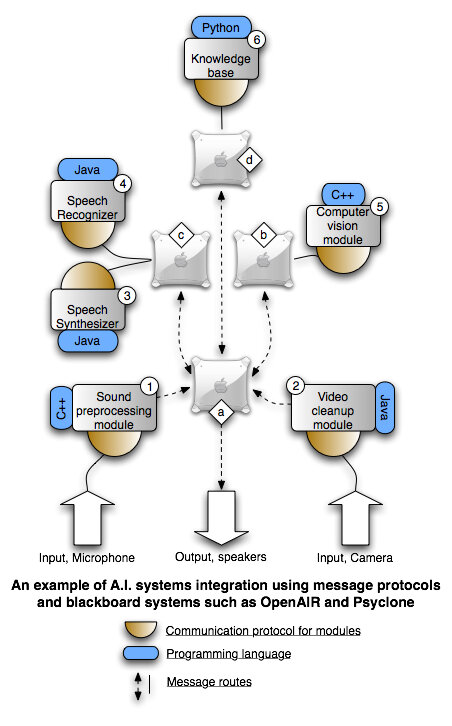
Artificial intelligence isn't a single tool; it's a vast toolbox filled with specialised instruments. Instead of grouping them by brand names, it's more useful to classify them by what they do. At a high level, AI tools fall into three main functional categories: those that perceive the world, those that learn and reason about it, and those that make decisions or take action based on that understanding.
Think of it like building a self-driving car. First, you need tools for perception to see the road and hear the environment. Then, you need tools for learning and reasoning to process that information, predict what other cars will do, and understand the rules of the road. Finally, you need tools for decision-making to actually turn the wheel, accelerate, or brake.
Tools for Perception
This category of AI is all about interpreting sensory data from the world. These tools act as the eyes and ears of a system, translating complex, unstructured information into a format a machine can understand. The two primary fields here are Computer Vision and Natural Language Processing (NLP).
gives machines the ability to 'see'. Tools in this category analyse images and videos to identify objects, people, and even emotions. This is the technology behind facial recognition on your phone, quality control on a factory assembly line, and the analysis of medical scans.
Natural Language Processing, or NLP, focuses on understanding human language. NLP tools process text and speech, enabling applications like chatbots, language translation services, and sentiment analysis on social media. They break down sentences, figure out context, and grasp the nuances of communication.
Tools for Learning and Reasoning
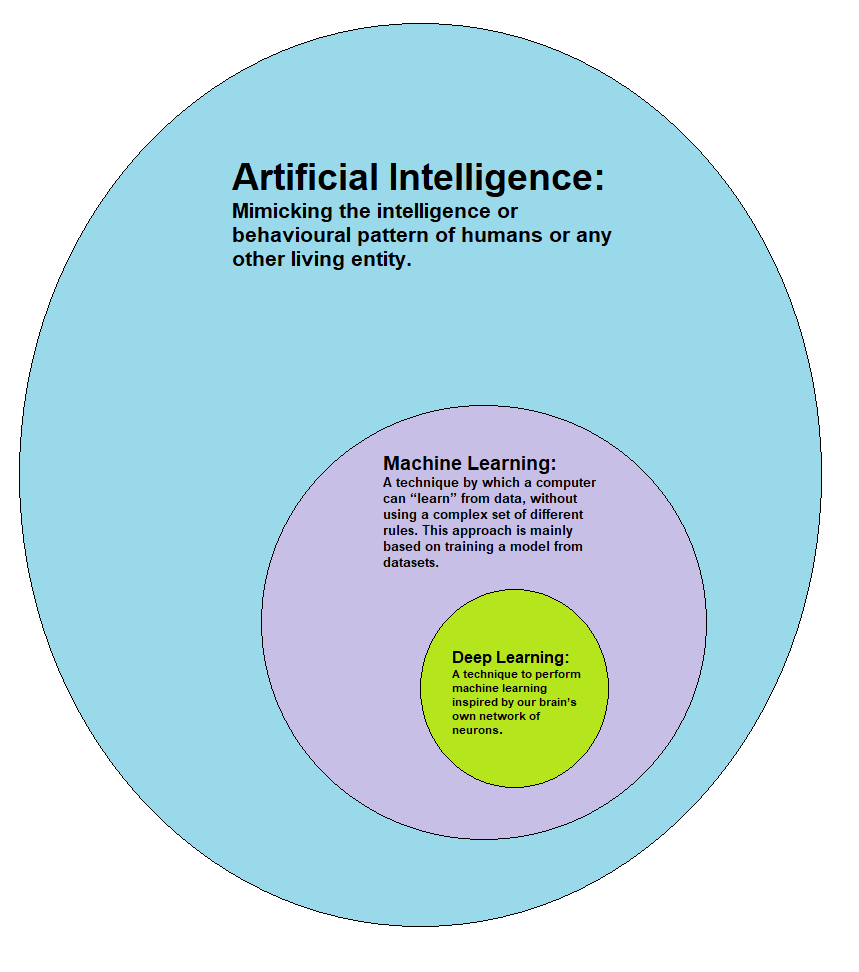
Once data is perceived, the next step is to make sense of it. This is the domain of (ML), a massive sub-field of AI that's all about finding patterns in data. Instead of being explicitly programmed with rules, ML models learn from examples to make predictions or classify information.
Predictive tools use historical data to forecast future outcomes. For example, an e-commerce site might use ML to predict which products you're likely to buy next. Analytical tools, on the other hand, uncover hidden insights within large datasets, such as identifying customer segments a marketing team might have missed.
Within this category, a powerful new type of tool has emerged: s. Unlike predictive models that forecast a number or a category, generative models create entirely new content. They learn the underlying patterns of text, images, or sounds and then produce novel examples that fit those patterns. This is the technology that powers AI image generators and advanced chatbots like ChatGPT.
Tools for Decision and Action
The final group of AI tools uses the insights from perception and learning to make decisions, automate tasks, or recommend actions. These are often the most visible applications of AI.
Recommendation engines, like those on Netflix or Amazon, are a classic example. They analyse your past behaviour to suggest what you might want to watch or buy next. Robotic Process Automation (RPA) tools use AI to perform repetitive, rule-based tasks that were previously done by humans, such as data entry or processing invoices.
More complex systems, like those used in logistics for route optimisation or in finance for algorithmic trading, make autonomous decisions in dynamic environments. They continuously perceive, learn, and act to achieve a specific goal.
Let's check your understanding of these different tool types.
An e-commerce website uses an AI system to suggest products to a user based on their past browsing history. Which functional category does this AI tool primarily fall into?
Which of the following is the best description of Generative AI?
Understanding these functional categories helps demystify AI. Whether a tool is analysing a document, generating an image, or recommending a movie, it's typically serving one of these core purposes: to perceive, to learn, or to act.