Exploring AI Software Landscape
AI Software Categories
A Spectrum of Intelligence
Artificial intelligence isn't a single, monolithic thing. It's a spectrum of systems, each with different capabilities and ways of interacting with the world. A common way to categorize these systems is by their level of awareness and their ability to understand and respond to their environment. This classification breaks AI down into four main types, ranging from simple stimulus-response machines to theoretical systems with consciousness.
Reactive AI
The most basic type of AI is reactive. These systems don't form memories or use past experiences to inform current decisions. They perceive the world directly and act on what they see. A reactive machine is designed for a specific task and operates purely in the present moment.
Think of IBM's Deep Blue, the chess computer that defeated Garry Kasparov. Deep Blue could identify the pieces on the board and know the rules of chess. It could predict its opponent's next moves and choose the optimal one from all possibilities. However, it had no memory of past moves in the game or any concept of a broader strategy beyond the immediate calculation. Its entire world was the current state of the chessboard.
Reactive AI sees the board and makes a move. It doesn't remember what happened ten moves ago; it only analyzes the current configuration and acts.
Limited Memory AI
This is the next level of AI and represents the vast majority of AI systems in use today. Limited memory AI can look into the past. It uses historical data to make better decisions in the present. Unlike reactive machines, these systems can learn from past observations.
The memory, however, is temporary. The information isn't saved into a long-term library of experiences from which the AI can learn and grow. Instead, it uses a pre-programmed representation of the world combined with recent data to make decisions.
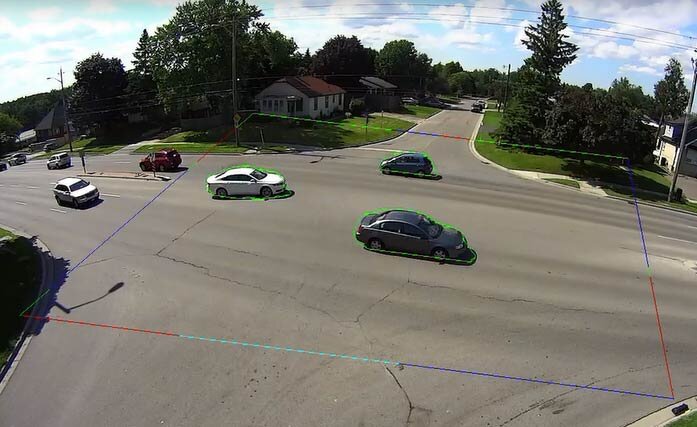
A self-driving car is a prime example. It observes the speed and direction of other cars. This isn't just a single snapshot; it's a collection of recent observations. This data helps the car understand how traffic is flowing and predict where other vehicles will be in the next few moments. This information is constantly updated, with older, less relevant data being discarded. Your phone's virtual assistant and many recommendation engines also fall into this category, using recent data to inform their actions.
Theory of Mind AI
This is where we step into the realm of future, more advanced AI. Theory of Mind is a psychological term that refers to the understanding that others have their own beliefs, desires, intentions, and perspectives that are different from one's own. An AI with this capability would be able to understand and interact with human emotions and thoughts.
Such a system wouldn't just recognize that you're asking it a question. It would understand why you're asking. It could infer your intentions, predict your behavior, and adjust its own responses accordingly. This level of AI would be capable of true social interaction, moving beyond simple task execution to becoming a collaborative partner. While researchers are actively working on this, a true Theory of Mind AI does not yet exist.
Self-Aware AI
The final and most advanced type of AI is self-aware. This is the stuff of science fiction—an AI that has formed a consciousness, a sense of self. A self-aware AI would understand its own existence, be aware of its internal states, and could have feelings, needs, and perhaps even consciousness in the way humans understand it.
This type of AI would be an extension of Theory of Mind AI. It would not only understand the consciousness of others but would also possess its own. Creating such an AI is the ultimate goal for some researchers, but it remains a purely theoretical concept. We are a very long way from creating machines that are sentient.
| AI Type | Key Capability | Example |
|---|---|---|
| Reactive | Responds to current stimuli | Deep Blue (Chess) |
| Limited Memory | Uses recent past data | Self-Driving Cars |
| Theory of Mind | Understands others' mental states | (Theoretical) Social Robots |
| Self-Aware | Possesses consciousness | (Theoretical) Sentient AI |
Which type of AI operates purely in the present moment, without using past experiences or memories to inform its decisions?
A self-driving car adjusting its speed based on the recent movements of other vehicles is a prime example of which AI type?
These categories provide a framework for understanding the different levels of AI, from the simple systems we use daily to the complex, intelligent beings that are still far in the future.