Exploring AI Projects
Introduction to Artificial Intelligence
What Is Artificial Intelligence?
Artificial intelligence, or AI, is the science of making computers do things that normally require human intelligence. This includes tasks like learning from experience, understanding language, recognizing objects, and solving complex problems. Think of it less like a robot that looks human and more like software that can think and adapt.
At its core, AI is about creating systems that can perceive their environment, reason about it, and make decisions to achieve a specific goal.
The idea isn't new, but recent advances in computing power and data availability have turned it from a science fiction concept into a technology that's reshaping our world. From recommending your next favorite song to helping doctors diagnose diseases, AI is already working behind the scenes in countless ways.
A Brief History of AI
The dream of creating intelligent machines is ancient, but the formal field of AI research began in the 1950s. Early researchers were optimistic, believing that a machine with human-like intelligence was just a few decades away. They developed programs that could solve algebra problems and play checkers at a respectable level.
Understanding the history of artificial intelligence is crucial for grasping its current capabilities and future potential.
However, progress stalled. The complexity of the real world proved much harder to handle than expected, leading to periods known as "AI winters," when funding and interest dried up. But breakthroughs in the 1990s and 2000s, like IBM's Deep Blue beating a world chess champion, reignited excitement. The last two decades have seen an explosion of progress, driven by massive datasets and powerful new techniques.

The Flavors of AI
AI isn't just one thing; it's a broad field with many specialized areas. You can think of AI as the main course, with different subfields as the specific dishes.
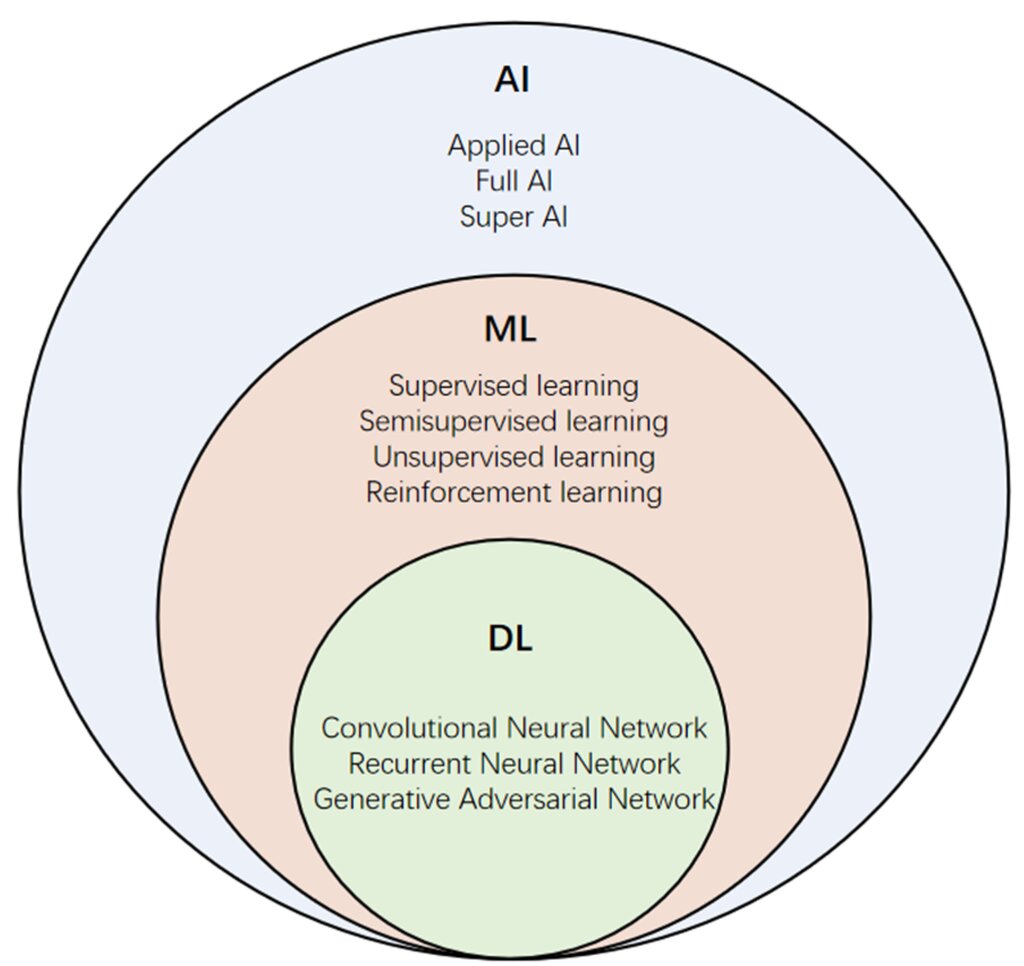
Here are a few of the most important subfields:
-
Machine Learning (ML): This is the most common type of AI today. Instead of being explicitly programmed with rules, a machine learning system learns patterns directly from data. It's like teaching a child to recognize a cat by showing them lots of cat pictures, not by describing a cat's features.
-
Natural Language Processing (NLP): This area focuses on the interaction between computers and human language. NLP powers everything from translation apps and spam filters to voice assistants like Siri and Alexa.
-
Computer Vision: This subfield gives computers the ability to "see" and interpret the visual world. It's used in self-driving cars to identify obstacles, in social media to tag friends in photos, and in medical imaging to spot tumors.
AI's Impact on Us
The rise of AI brings incredible opportunities, but it also raises important questions. As AI systems become more capable, we must consider the ethical implications of their use. How do we ensure that AI is fair and doesn't perpetuate human biases? Who is responsible when an AI system makes a mistake?
For example, if an AI used for hiring decisions is trained on historical data, it might learn to favor candidates from certain backgrounds, even if that's not intended.
On a societal level, AI is changing the job market, creating new roles while automating others. It's transforming industries from healthcare to entertainment. Navigating this transition requires careful planning and a commitment to building AI that benefits everyone. The conversation around AI ethics and safety is not just for experts; it's a discussion that involves all of us.
Let's check your understanding of these foundational ideas.
What is the primary goal of Artificial Intelligence?
The history of AI has included periods of reduced funding and interest. What are these periods called?
Understanding these basics provides a solid foundation for exploring the more complex and powerful applications of AI.