Exploring AI Capabilities
Introduction to AI Models
From Ideas to Algorithms
The idea of artificial intelligence is much older than computers. For centuries, people have imagined creating machines that can think. But it wasn't until the mid-20th century that the field of AI truly began. Early efforts focused on creating systems that could solve problems and make logical deductions, much like a human would.
Early AI was often based on a set of handcrafted rules. For example, a chess program would be explicitly told the rules of the game and some basic strategies. This approach worked for well-defined, logical tasks but struggled with the messiness of the real world, like recognizing a face in a photo or understanding spoken language.
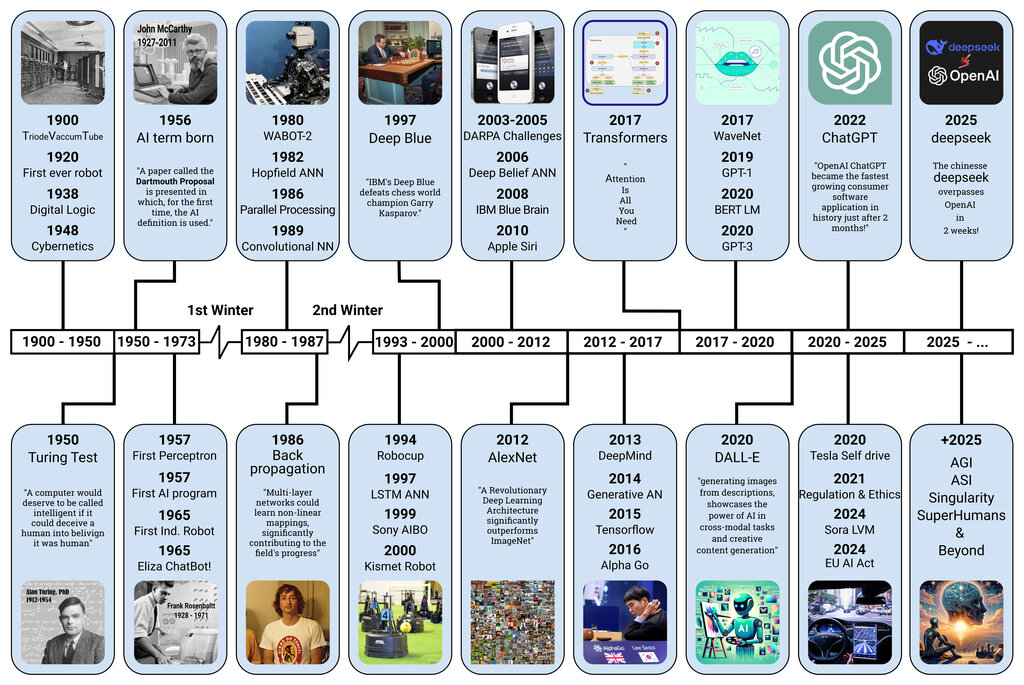
The turning point came with the idea that instead of programming intelligence into a machine, we could let the machine learn on its own. This shift marked the beginning of a new era in AI, powered by data and algorithms that could find patterns without being told exactly what to look for.
Learning, Fast and Deep
This new approach is called machine learning (ML). Think of it like teaching a child to recognize a cat. You don't list out rules like "has pointy ears, four legs, and a tail." Instead, you show them many pictures of cats. Eventually, they learn to identify a cat on their own, even one they've never seen before. Machine learning models do the same thing with data.
Machine learning is a subfield of AI where systems learn from data to identify patterns and make decisions with minimal human intervention.
Within machine learning, there's a more advanced technique called deep learning. Deep learning uses structures called neural networks, which are loosely inspired by the human brain. These networks have many layers, allowing them to learn from data in a more sophisticated, hierarchical way. While a simple ML model might learn to spot a cat by recognizing edges and shapes, a deep learning model can learn to identify ears, then faces, and then the entire cat. This layered approach allows it to tackle much more complex problems.
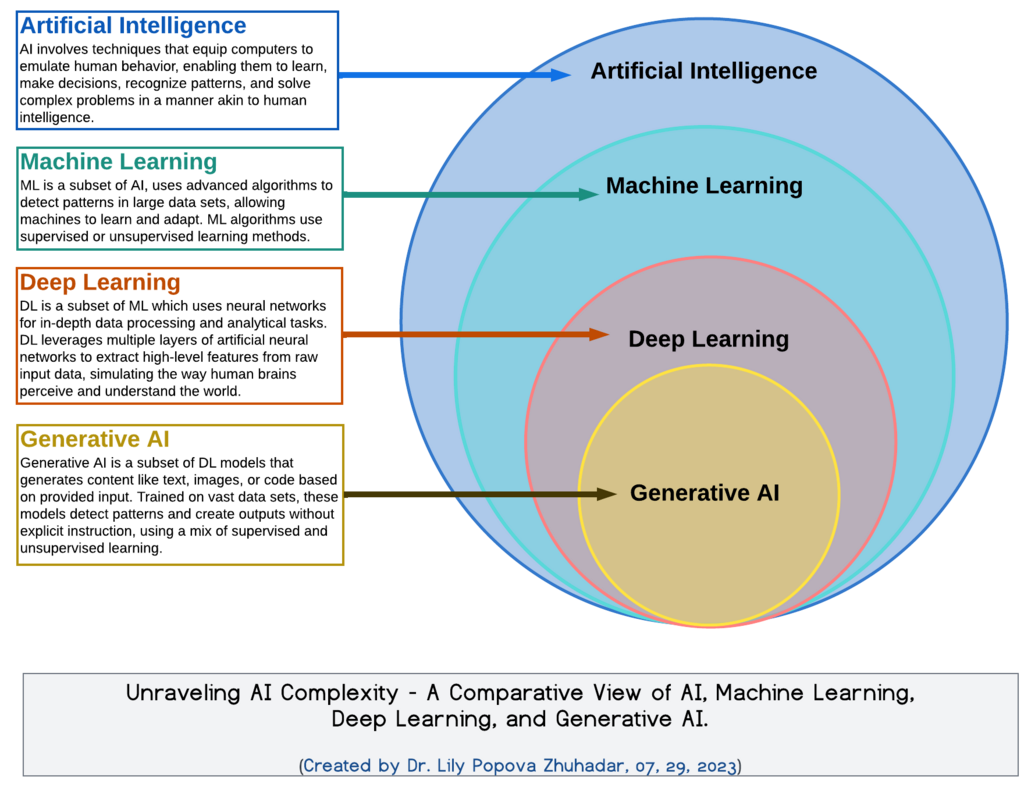
The key difference is complexity and autonomy. Machine learning often requires some human guidance to help select the right features in the data, while deep learning models can often figure out those features on their own, provided they have a massive amount of data to learn from.
Models That Understand Words
One of the most exciting applications of deep learning is in understanding human language. This has led to the development of large language models (LLMs). These are AI models trained on vast quantities of text from the internet, books, and other sources.
Large language models (LLMs) are AI systems that understand and create human language, doing tasks like summarizing articles, answering questions, writing code, and more.
By processing all this text, LLMs learn the patterns, grammar, context, and nuances of language. They don't "understand" in the human sense, but they become incredibly skilled at predicting the next word in a sentence. This predictive ability allows them to generate coherent paragraphs, answer questions, translate languages, and even write computer code.
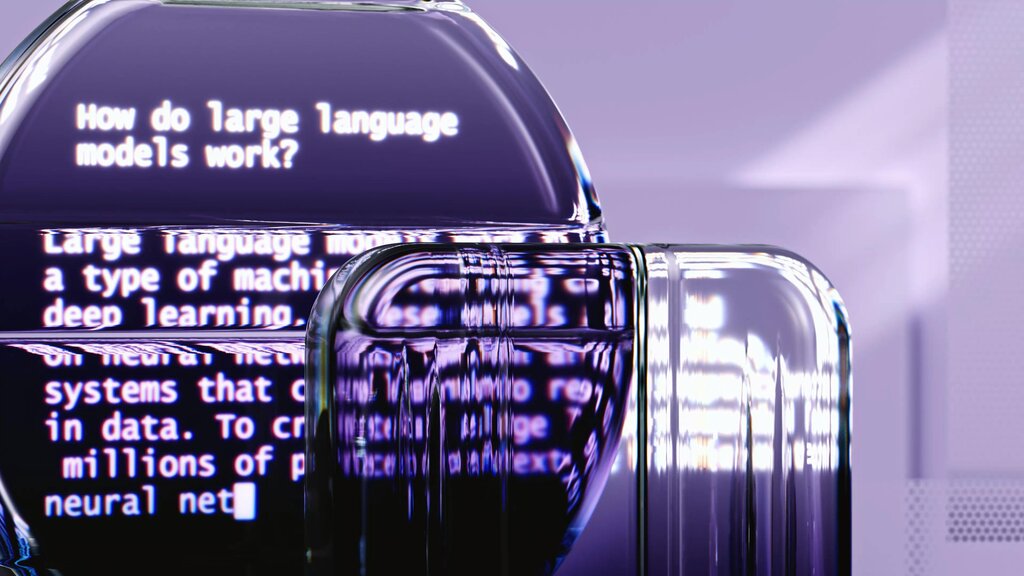
LLMs are the engines behind many modern AI applications, from chatbots and virtual assistants to advanced search engines. They represent a significant leap forward, turning the foundational ideas of AI into practical tools we can use every day.
Ready to check your understanding of these core concepts?
What was a primary limitation of early, rule-based AI systems?
Which statement accurately describes the relationship between Artificial Intelligence (AI), Machine Learning (ML), and Deep Learning (DL)?