Exploring AI Capabilities
Introduction to Large Language Models
What Are Large Language Models?
A Large Language Model, or LLM, is a type of artificial intelligence designed to understand, generate, and interact with human language. Think of it as a computer program that has read a massive portion of the internet and countless books, learning the patterns, grammar, context, and nuances of how we write and speak.
At its core, an LLM is a prediction machine. Its main goal is to look at a sequence of words and predict what word is most likely to come next.
This simple-sounding task, when performed on a massive scale, allows LLMs to do incredible things. They can write emails, summarize long articles, translate languages, answer questions, and even write computer code. They aren't thinking or understanding in the human sense; instead, they are masters of statistical pattern recognition, assembling text that is coherent and contextually relevant based on the data they were trained on.
A Brief History
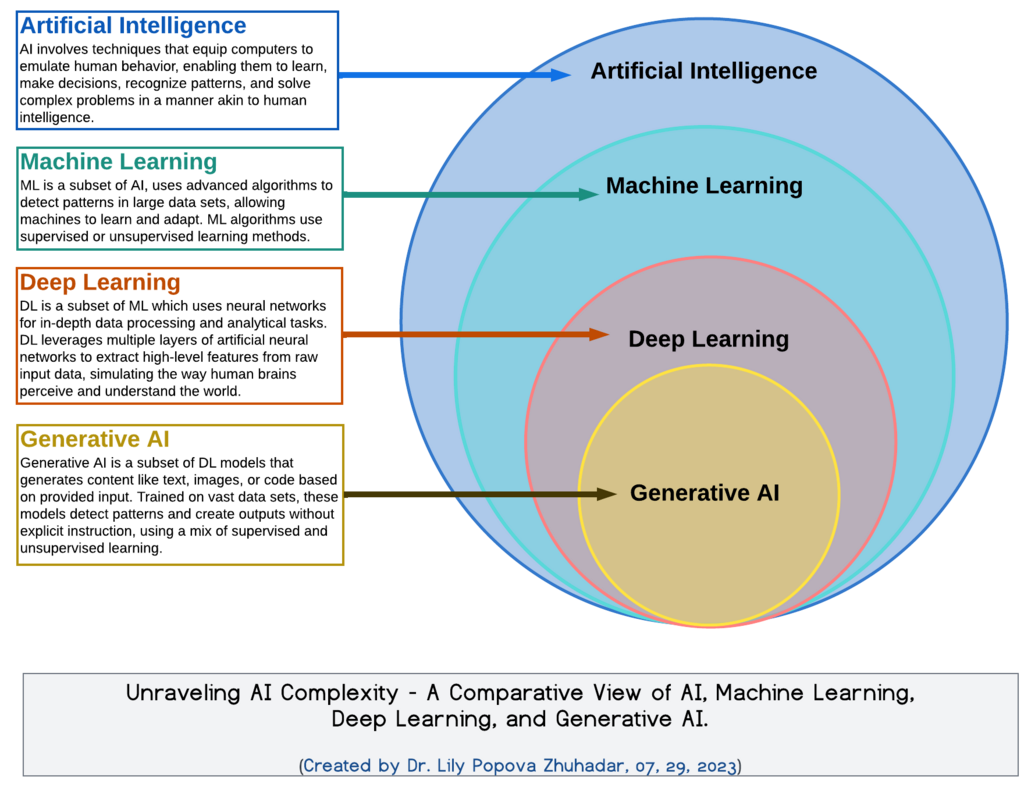
The journey to today's powerful LLMs began decades ago. Early attempts at language modeling, starting in the 1950s, relied on statistical methods and rule-based systems. These models could only handle small amounts of text and had very limited capabilities. For years, progress was steady but slow.
A major breakthrough came in 2017 with the introduction of the "Transformer" architecture. This new model design was exceptionally good at handling long sequences of text and understanding the relationships between words, even if they were far apart in a sentence. This innovation, combined with access to more powerful computers and vast amounts of training data from the internet, paved the way for the creation of truly "large" language models.
How They Learn
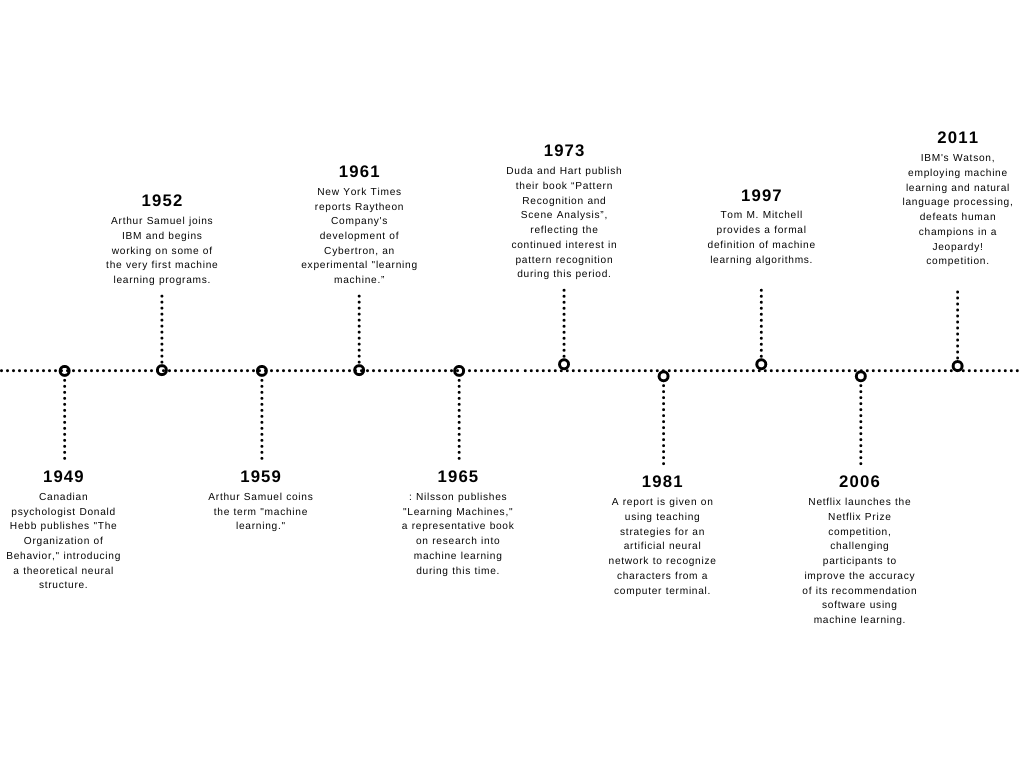
Training an LLM is like teaching a student to become an expert in a language by having them read a colossal library. The process involves two main ingredients: a neural network architecture (like the Transformer) and an enormous dataset.
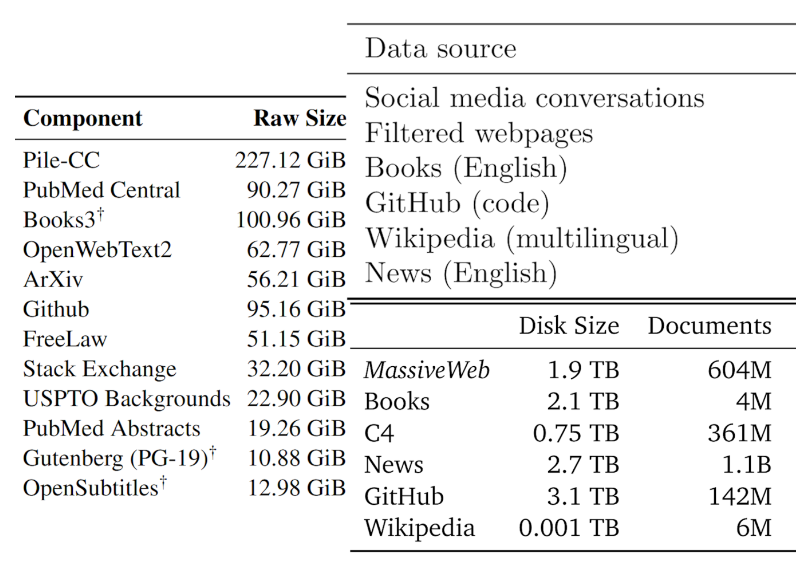
The model is fed trillions of words from websites, books, and other text sources. During training, it is repeatedly given a piece of text and asked to predict the next word. When it gets it right, its internal connections are reinforced. When it's wrong, it adjusts itself to make a better prediction next time.
This process is repeated billions of times. Over time, the model doesn't just memorize sentences; it learns the underlying patterns of language—grammar, facts, reasoning styles, and even biases present in the training data. This is what allows it to generate new, original text that makes sense.
LLMs in the Wild
LLMs are no longer just a research concept; they are being used in a wide range of applications across many industries. You've likely already interacted with them, perhaps without realizing it.
| Industry | Application Example |
|---|---|
| Customer Service | Powering chatbots that can answer customer questions 24/7. |
| Technology | Assisting developers by generating and debugging computer code. |
| Healthcare | Summarizing patient records and the latest medical research. |
| Marketing | Creating ad copy, social media posts, and product descriptions. |
| Education | Developing personalized tutoring systems and learning aids. |
These models act as powerful tools that can augment human capabilities, automate repetitive tasks, and unlock new creative possibilities. As the technology continues to evolve, we can expect to see LLMs become even more integrated into our daily and professional lives.
What is the fundamental principle behind how a Large Language Model (LLM) works?
What was the name of the groundbreaking neural network architecture introduced in 2017 that significantly advanced the capabilities of LLMs?