Exploring AI Assistant Capabilities
Introduction to Large Language Models
What Are Large Language Models?
A large language model, or LLM, is a type of artificial intelligence designed to understand and generate human language. Think of it as a complex pattern-matching system. It's trained on an enormous amount of text data—from books, articles, websites, and more—to learn the relationships between words, sentences, and ideas. Its primary goal is to predict the next word in a sequence. By doing this over and over, it can write emails, answer questions, summarize documents, and even create code.
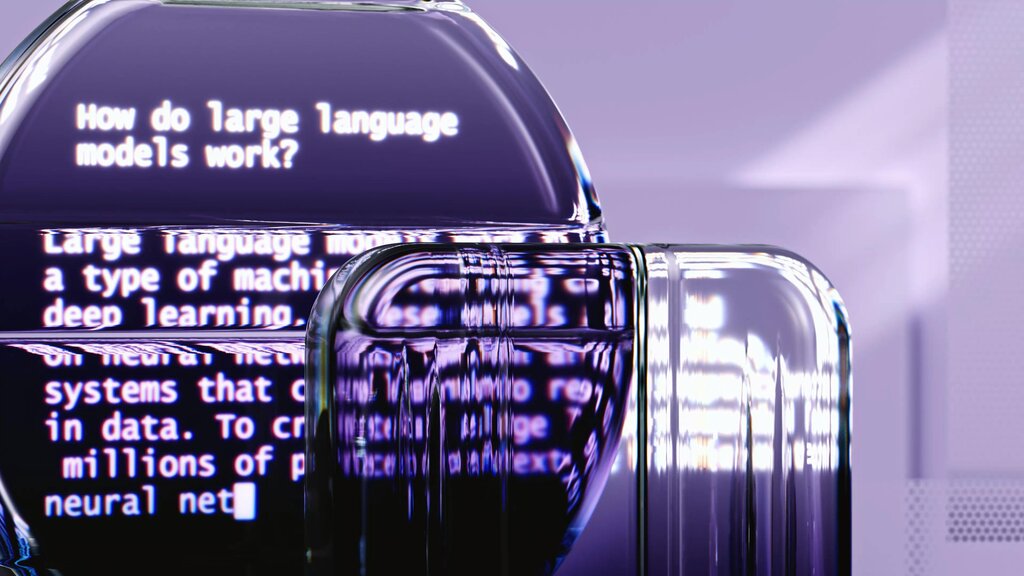
Unlike older AI that relied on rigid, hand-coded rules, LLMs learn patterns directly from data. This allows them to handle the nuance, context, and creativity of human language in a much more flexible way. The 'large' in their name refers to two things: the massive amount of data they are trained on and the huge number of parameters (think of these as internal variables or knobs) they use to make predictions.
A Quick History
The journey to today's LLMs has been a long one. Early language models in the mid-20th century were based on statistical methods, calculating the probability of a word appearing after another. While groundbreaking for their time, they had a very limited understanding of context. They could only look at a few preceding words to make a guess.
Neural networks in the 1980s and 90s introduced a better way for models to 'remember' information from earlier in a sentence, but they still struggled with long-term dependencies. For example, understanding how a word at the beginning of a paragraph influences a word at the end was a major challenge.
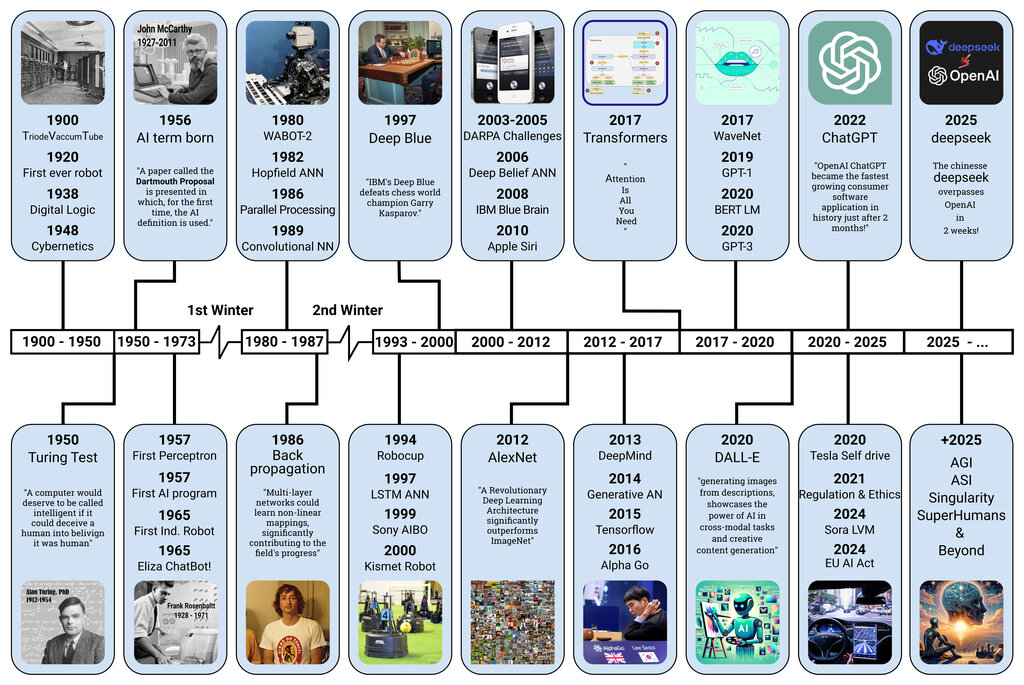
The big breakthrough came in 2017 with the invention of the Transformer architecture. This new design solved the long-term memory problem and allowed models to be scaled up to unprecedented sizes, paving the way for models like GPT-3 and GPT-4.
The Transformer Architecture
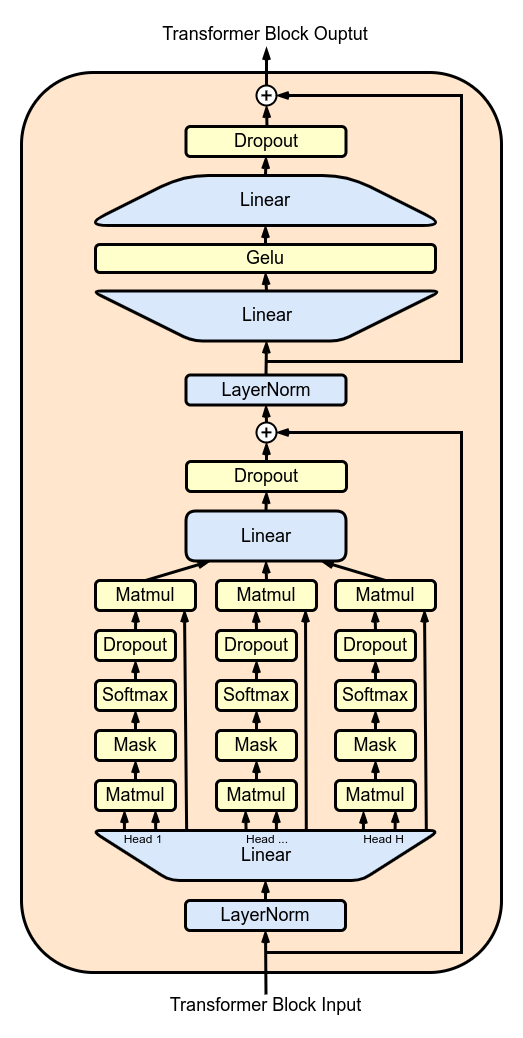
The Transformer is the engine behind virtually all modern LLMs. Its secret weapon is a mechanism called self-attention.
Imagine you're reading the sentence: "The cat sat on the mat, and it yawned." To understand what 'it' refers to, your brain instantly connects it back to 'the cat'. The self-attention mechanism does something similar. As it processes each word, it looks at all the other words in the input and decides which ones are most important for understanding that specific word's meaning in context. It gives a higher 'attention score' to more relevant words.
Self-attention allows the model to weigh the influence of different words on each other, no matter how far apart they are in the text.
This ability to dynamically weigh relationships between words gives the Transformer a deep, contextual understanding of language. It doesn't just see a sequence of words; it sees a complex web of connections. This is what allows it to grasp grammar, facts, and even stylistic nuances from its training data.
How LLMs Are Trained
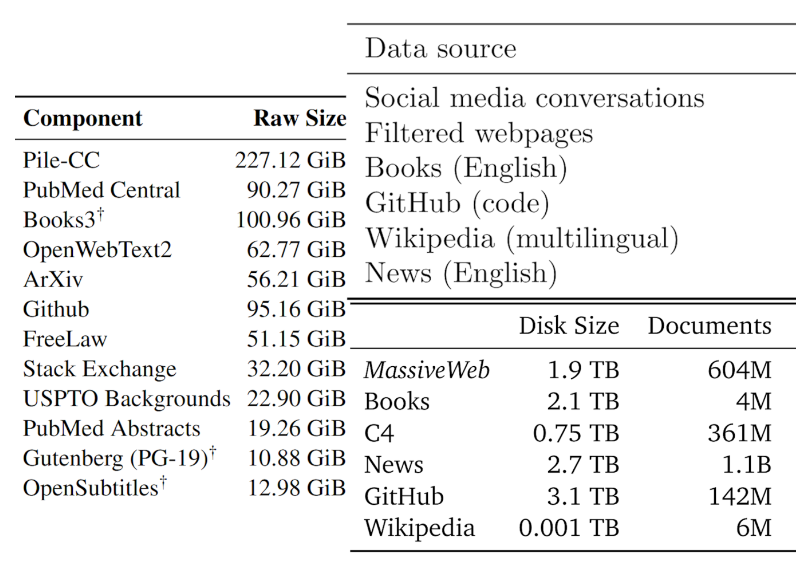
Training an LLM is a resource-intensive process that happens in a few key stages. It all starts with data—a colossal amount of it.
First is the pre-training phase. The model is fed a massive, diverse dataset of text scraped from the internet, digitized books, and other sources. Its task is simple but powerful: predict the next word in a sentence. For example, given the text "The quick brown fox jumps over the...", the model's job is to predict "lazy". It makes a guess, compares its guess to the correct word, and adjusts its internal parameters to get closer next time. This process is repeated billions or trillions of times, allowing the model to build a robust internal representation of language.
After pre-training, the model is a powerful but general-purpose language machine. To make it more useful for specific tasks, like holding a conversation or following instructions, it undergoes fine-tuning. In this stage, it's trained on a smaller, higher-quality dataset that has been curated by humans. This helps align the model's behavior with human expectations, making it more helpful and safer to use.
At the core of large language models (LLMs) are deep neural networks trained on massive text datasets.
Ethical Considerations
The power of LLMs comes with significant responsibilities. Because they learn from vast swaths of human-generated text, they can inherit and even amplify the biases present in that data. If the training data contains stereotypes or prejudices related to race, gender, or culture, the model may reproduce those biases in its responses.
Another major concern is the potential for generating misinformation. LLMs are designed to produce plausible-sounding text, but they don't have a true understanding of facts or truth. They can sometimes 'hallucinate'—a term for when the model generates incorrect or nonsensical information with complete confidence. This makes it crucial for users to critically evaluate the output of any LLM and verify important information.

As LLMs become more integrated into our lives, addressing these ethical challenges through careful data curation, improved training techniques, and transparent practices is one of the most important tasks facing the field of AI.
Time to review what we've covered.
Now, let's check your understanding.
What is the fundamental task a Large Language Model is trained to perform during its initial pre-training phase?
What key architectural innovation, introduced in 2017, solved the problem of long-term dependencies and enabled the creation of today's massive LLMs?
You now have a foundational understanding of what large language models are, how they evolved, and the core technology that makes them possible. We've also touched on the critical importance of developing and using these powerful tools responsibly.