Exploring Agentic AI
Introduction to Agentic AI
Beyond Answering Questions
For a long time, artificial intelligence has been a powerful tool that responds to our commands. We ask a question, it provides an answer. We give it data, it finds a pattern. This is incredibly useful, but it's fundamentally reactive. The AI waits for us to tell it exactly what to do.
A new type of AI is emerging, one that doesn't just wait for instructions. It takes initiative. This is known as agentic AI.
Agentic AI refers to AI systems that exhibit a high degree of agency – they proactively set goals, make decisions, and take actions with minimal human intervention.
The key word here is “agency.” In this context, it means the AI has the capacity to act independently to achieve a goal. Instead of being a sophisticated calculator, it's more like a digital assistant that you can trust to figure things out on its own. You provide the destination, and the agentic AI charts the course.
Agentic vs. Traditional AI
So what really separates an agentic system from the AI we're used to? The main difference lies in autonomy and decision-making.
Traditional AI operates within strict boundaries. Think of a chatbot that follows a script or a photo app that suggests tags for your pictures. It executes a specific, pre-defined task based on the data it was trained on. If it encounters something unexpected, it often fails or requires human help.
Agentic AI, on the other hand, is designed to be more flexible and independent.
While traditional AI agents primarily automate predefined tasks, Agentic AI introduces autonomous reasoning, planning, and multi-step decision flows.
Imagine you want to plan a weekend trip. With a traditional AI, you'd have to search for flights, then hotels, then rental cars, piecing everything together yourself. With an agentic AI, you could simply say, “Plan a relaxing weekend trip to the coast for next month, keeping the budget under $500.” The AI would then break that goal down into smaller steps, research options, compare prices, and maybe even present you with a full itinerary. It adapts its plan based on what it finds, much like a human would.
| Feature | Traditional AI | Agentic AI |
|---|---|---|
| Role | Tool | Assistant/Partner |
| Initiative | Reactive (waits for commands) | Proactive (takes initiative) |
| Task Scope | Narrow, well-defined | Broad, open-ended |
| Decision-Making | Follows rules/patterns | Makes independent choices |
| Adaptability | Limited | High |
The Importance of Autonomy
This shift towards autonomy is a major step in the evolution of AI. When an AI can operate independently, it can tackle problems that are far too complex or time-consuming for humans to manage with step-by-step instructions.
Giving AI systems the ability to set their own sub-goals and adjust their strategies allows them to navigate the messy, unpredictable real world. They are no longer just information processors; they become problem solvers. This capability moves AI from being a simple tool for automation to a powerful partner for augmentation, helping us achieve complex goals more efficiently.
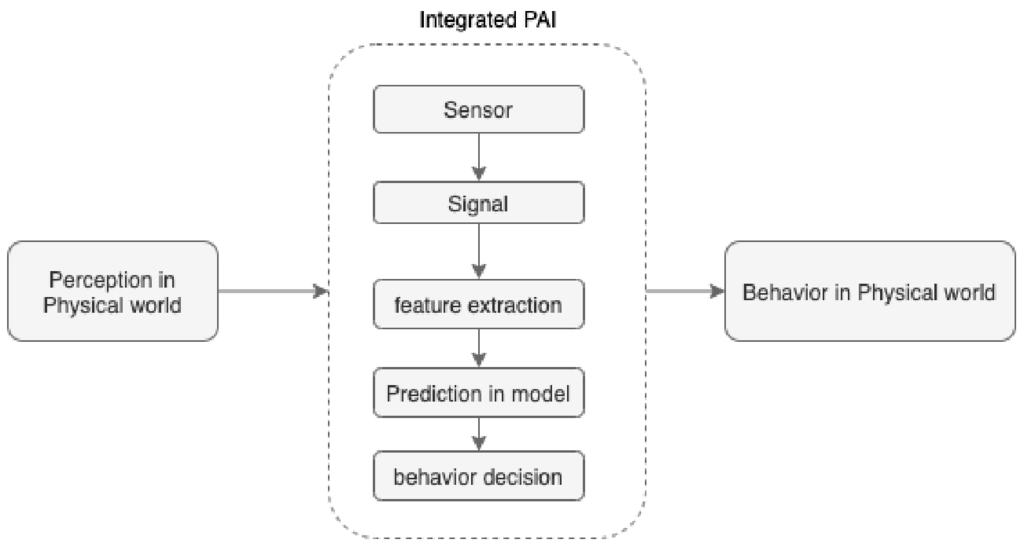
This doesn't mean humans are out of the loop. Instead, our role changes. We become the ones who set the high-level goals and define the boundaries, while the AI handles the complex execution. Understanding this distinction is the first step to grasping the potential of modern AI.
Ready to check your understanding?
What is the key characteristic that distinguishes agentic AI from traditional AI?
In the context of agentic AI, the human's role shifts from being an operator to being a ____.
Agentic AI represents a significant shift from reactive tools to proactive partners, defined by their ability to act autonomously to achieve complex goals.