Exploring Agentic AI
Introduction to Agentic AI
Beyond Answering Questions
Most of us think of AI as a tool that responds to our commands. We ask a question, it gives an answer. We give a prompt, it generates text or an image. This is a reactive relationship. But a new kind of AI is emerging, one that doesn't just react but acts. This is agentic AI.
agentic
adjective
Acting with agency; having the capacity to act independently and make choices.
Agentic AI refers to systems that can pursue goals with a degree of independence. Instead of just executing a specific, single command, an AI agent can understand a broader objective, break it down into steps, and carry out those steps on its own. It's a shift from a simple tool to an autonomous partner.
Agentic AI represents a fundamental paradigm shift in artificial intelligence, moving from passive, prompt-driven systems to autonomous, goal-oriented agents that can plan, learn, and execute complex tasks with minimal human intervention.
The Core Traits
What makes an AI system “agentic”? It comes down to a few key characteristics that set it apart from traditional AI.
| Characteristic | Traditional AI | Agentic AI |
|---|---|---|
| Autonomy | Requires step-by-step human guidance. | Acts independently to achieve a goal. |
| Adaptability | Follows a fixed set of rules or patterns. | Learns from results and adjusts its strategy. |
| Focus | Task-oriented: "Do this specific thing." | Goal-oriented: "Achieve this outcome." |
Think of it this way. A traditional AI is like a calculator. You have to input every single part of a problem to get an answer. An agentic AI is more like an accountant. You can give it a high-level goal, like "minimize my taxes this year," and it will figure out the necessary steps, gather the required documents, and find deductions on its own.
A New Chapter for AI
This move towards agency marks a significant step in the evolution of artificial intelligence. Early AI systems were purely reactive, capable only of responding to the present moment. Think of a chess program that analyzes the board and makes the best current move. Later systems developed memory, allowing them to learn from past data.
Agentic AI builds on these foundations, adding a layer of proactive, goal-seeking behavior. It doesn't just analyze the current state or remember the past; it looks toward a future goal and charts a course to get there.
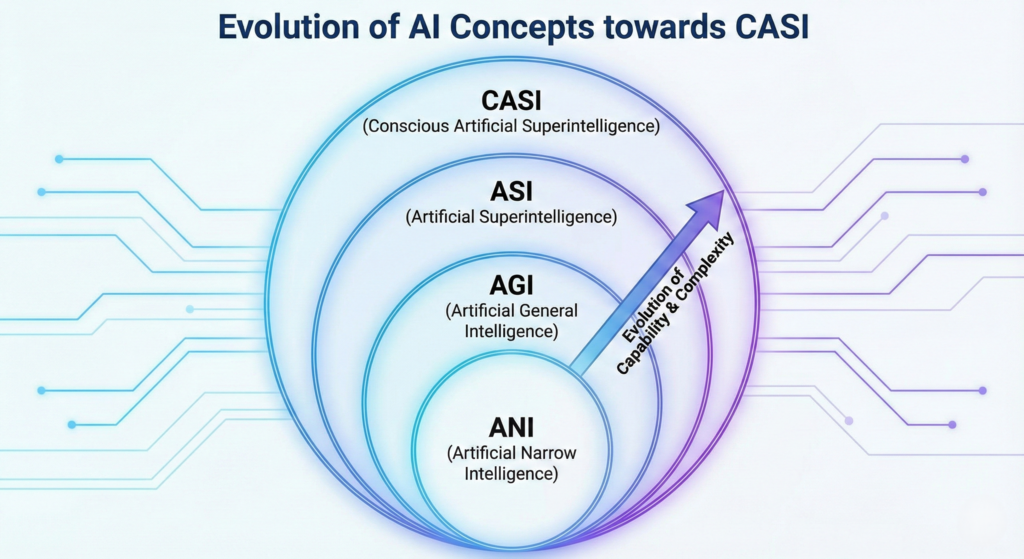
This progression allows AI to handle tasks that are far more complex and open-ended. It can navigate dynamic environments where the rules aren't fixed and the best path forward isn't always clear from the start.
Potential in Practice
The applications for agentic AI are broad. Imagine a personal assistant that doesn't just set reminders but actively manages your schedule, booking appointments and resolving conflicts based on your priorities. In business, an agent could manage a company's supply chain, automatically ordering inventory, rerouting shipments around delays, and negotiating with suppliers to optimize costs.
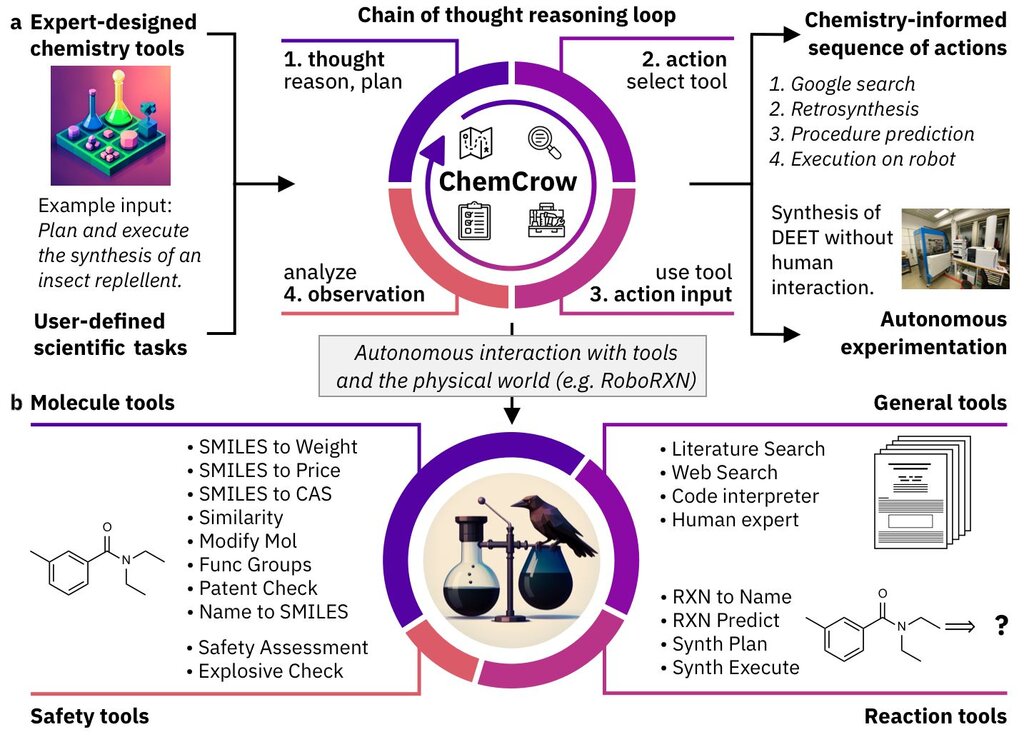
In scientific research, an AI agent could be tasked with discovering a new material with specific properties. It could search databases, formulate hypotheses, run simulations, and even operate lab equipment to test its ideas, learning and refining its approach with each cycle.
These systems have the potential to take on complex, multi-step projects that currently require teams of people, working more quickly and tirelessly than any human could.
Let's check your understanding of these core concepts.
What is the primary characteristic that distinguishes agentic AI from traditional AI systems?
The provided text uses an analogy to explain the difference between traditional and agentic AI. In this analogy, a traditional AI is like a calculator, while an agentic AI is like a(n) ____.
Agentic AI represents a shift in how we build and interact with intelligent systems, moving from simple instruction-followers to autonomous problem-solvers.