Exploring Abstract Art
Introduction to Abstract Art
Art Beyond Reality
For centuries, the goal of many artists was to capture the world as it appeared. A portrait should look like the person, and a landscape should look like the place. This is called representational art. But in the late 19th and early 20th centuries, some artists started asking a new question: What if art didn't have to copy reality at all?
This question led to the birth of abstract art. Instead of depicting recognizable objects, abstract art uses shapes, colors, forms, and gestural marks to achieve its effect. The goal isn't to show you what something looks like, but to express an idea or evoke an emotion. It's a visual language that speaks directly to our senses and feelings, much like music.
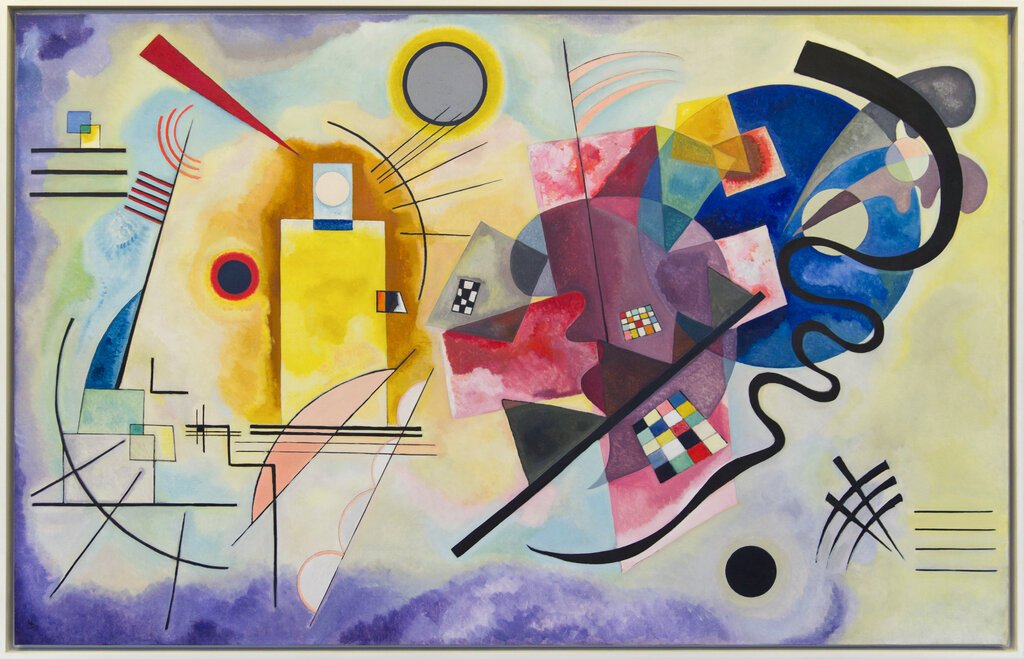
The shift toward abstraction was revolutionary. It was fueled by new ideas in science, psychology, and spirituality, as well as the invention of photography. If a camera could capture reality perfectly, what was the artist's new role? Many decided it was to explore the inner world of emotion and the spiritual, rather than the outer world of appearances.
Abstract art can be inspired by something real, but it simplifies or exaggerates its elements to convey a feeling rather than a factual image.
Pioneering Visions
Two figures stand out as early pioneers of pure abstraction. The Russian painter Wassily Kandinsky is often credited as one of the first to leave representation behind completely. He believed that colors and forms had spiritual and emotional vibrations, and he composed his paintings like symphonies to express these inner states.
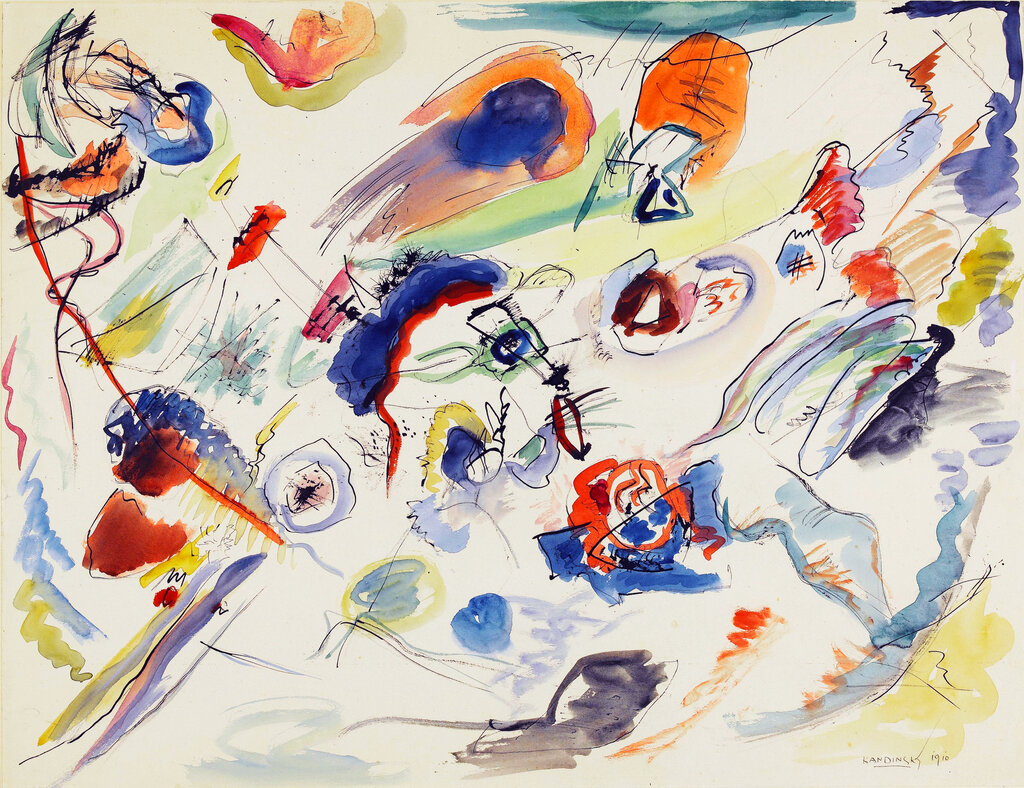
However, recent history has revealed an even earlier pioneer: the Swedish artist Hilma af Klint. Starting in 1906, years before Kandinsky, she created a stunning body of abstract work. Her paintings were inspired by her spiritual beliefs and her attempts to visualize forces and dimensions beyond the visible world. Because she stipulated that her abstract work shouldn't be shown for 20 years after her death, her incredible contribution was hidden from the public for decades.
Abstract Art encompasses various non-representational styles of art, from geometric abstraction to gestural expressionism.
A New Way of Seeing
So, how can we summarize the key difference? Representational art shows you a thing, while abstract art shows you the idea or feeling of a thing. It's the difference between a photograph of a storm and a painting that uses chaotic lines and dark colors to convey the storm's fury.
| Representational Art | Abstract Art | |
|---|---|---|
| Goal | To depict the visible world accurately. | To express emotions, ideas, or concepts. |
| Subject | Recognizable people, places, and objects. | Colors, forms, lines, and textures. |
| Viewer's Role | To recognize and identify the subject. | To interpret and feel a personal response. |
Viewing abstract art isn't about figuring out a puzzle or guessing what the artist was looking at. There's often no single "correct" interpretation. Instead, it's an invitation. The artist provides the visual language, and you bring your own experiences and emotions to the conversation. It asks you not just to see, but to feel.
Ready to test your understanding of these foundational ideas?
What is the primary goal of representational art?
The text states that abstract art is a visual language that speaks directly to our senses and feelings, much like what other art form?
Understanding abstraction is the first step into a world where art communicates beyond the literal, opening up new possibilities for expression and interpretation.