Explore a Topic
Introduction to Curriculum Development
What is Curriculum Development?
Curriculum development is the process of creating a thoughtful, intentional plan for learning. It's more than just a list of topics or textbook chapters. It’s a roadmap that guides both teachers and students from a starting point of not knowing to a destination of understanding and skill.
Curriculum
noun
A structured plan of study that outlines what students are expected to learn, how it will be taught, and how their learning will be measured.
This process ensures that educational experiences are coherent, effective, and aligned with a clear purpose. Without it, learning can feel random and disconnected, like trying to assemble furniture without instructions. With a well-developed curriculum, every lesson, activity, and assignment has a reason for being there.
Starting with the End in Mind
The most fundamental principle of modern curriculum development is to begin with the end goal. Before choosing a single reading or creating one presentation slide, you must first ask: What should a student know or be able to do after completing this course?
Developing the final summative assessment of a course at the start of curriculum development is an implementation of "backward design," whereby learning objectives are identified first and the curriculum is engineered end-to-beginning to achieve them.
These desired outcomes are called learning objectives. They are specific, measurable statements that form the foundation of the entire curriculum. Every piece of content and every assessment should directly support one or more of these objectives. If it doesn't, it probably doesn't belong in the course.
This approach is known as outcome-based education (OBE). Instead of focusing on the material that will be covered, OBE focuses on the results. The curriculum is built backward from the desired outcomes, ensuring that everything in the course serves a clear purpose in helping students achieve them.
A Living Document
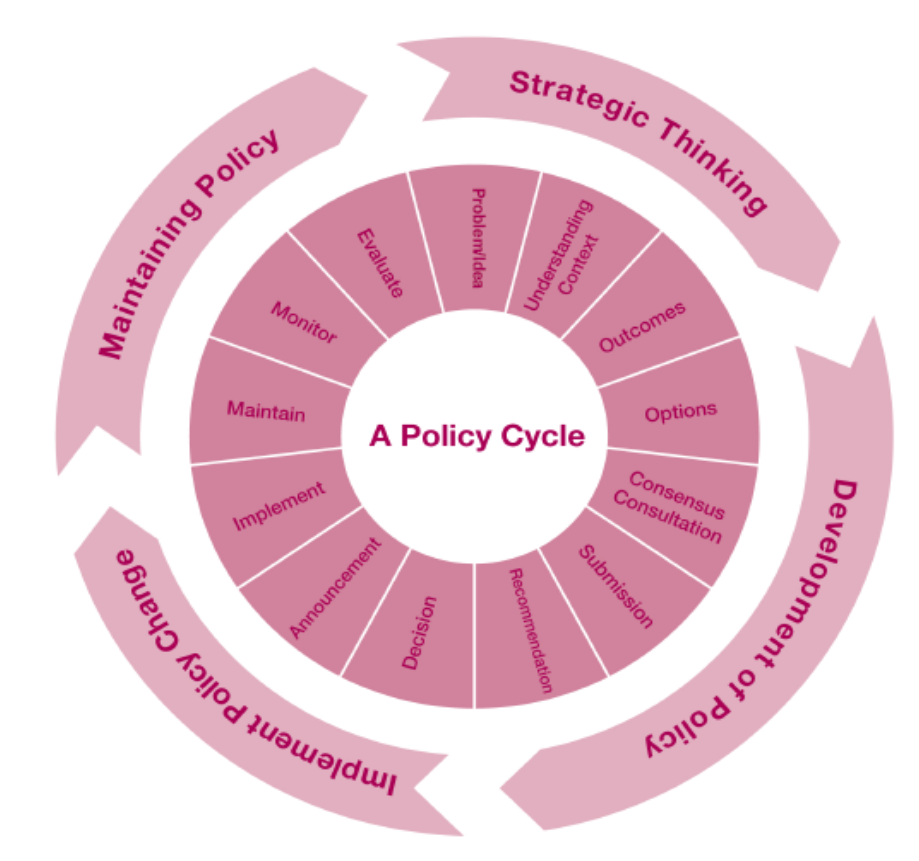
A curriculum is never truly finished. It's a living document that should evolve. The world changes, new information becomes available, and the needs of students shift. Effective curriculum development includes a process for gathering feedback and making improvements over time.
This creates a feedback loop: deliver the curriculum, assess student learning, gather feedback, and use that information to refine the plan for the next group of learners.
This continuous improvement cycle ensures that the curriculum remains relevant, engaging, and effective. It's a dynamic process of design, implementation, evaluation, and revision.
By understanding these core principles, educators can move from simply 'covering material' to intentionally designing experiences that lead to meaningful and lasting learning.
What is the primary goal of curriculum development?
According to modern curriculum design principles, what is the essential first step?