Explorations in Biomedical Engineering
Biomaterials and Biocompatibility
Materials Inside the Body
Placing a non-living material inside the human body is a major engineering challenge. The body is a complex, dynamic environment, filled with fluids, salts, and a vigilant immune system. Any material intended for medical use, from a simple suture to a complex artificial heart valve, must be carefully chosen not just for its physical properties but for its ability to coexist with living tissue. These materials are known as biomaterials.
Biocompatibility refers to the ability of a material to perform with an appropriate host response when applied within the body.
The goal isn't just to find a material that won't be immediately rejected. It's about finding the right material for a specific job, balancing mechanical needs with biological acceptance. A material perfect for a bone plate, which needs to be strong and rigid, would be a disaster as a soft tissue filler.
The Biomaterial Toolkit
Engineers and doctors have three main classes of materials to work with, each with its own set of advantages and disadvantages.
Metals, such as stainless steel, cobalt-chromium, and titanium alloys, are chosen for their strength and resistance to fracture. This makes them ideal for load-bearing applications like artificial hip joints, bone screws, and dental implants. However, they can corrode over time in the body's saline environment, releasing ions that may cause adverse reactions.
Ceramics, like alumina and zirconia, are extremely hard, wear-resistant, and chemically inert. Their stability makes them excellent for applications where durability is key, such as the ball-and-socket components of hip replacements or dental crowns. Their primary drawback is brittleness; a sharp impact can cause them to crack.
Polymers are a vast and versatile category, ranging from durable plastics like polyethylene (used in the socket of a hip joint) to biodegradable sutures that dissolve as a wound heals. Their properties can be tailored for flexibility, making them suitable for blood bags, catheters, and soft tissue implants. However, they can degrade unpredictably and may release unwanted chemicals as they break down.
| Material Class | Primary Advantage | Primary Disadvantage | Common Application |
|---|---|---|---|
| Metals | High Strength | Corrosion, Ion Release | Hip Implants, Bone Plates |
| Ceramics | Wear Resistance, Inertness | Brittleness | Dental Crowns, Joint Surfaces |
| Polymers | Versatility, Tunability | Unpredictable Degradation | Sutures, Catheters |
The Body's Response
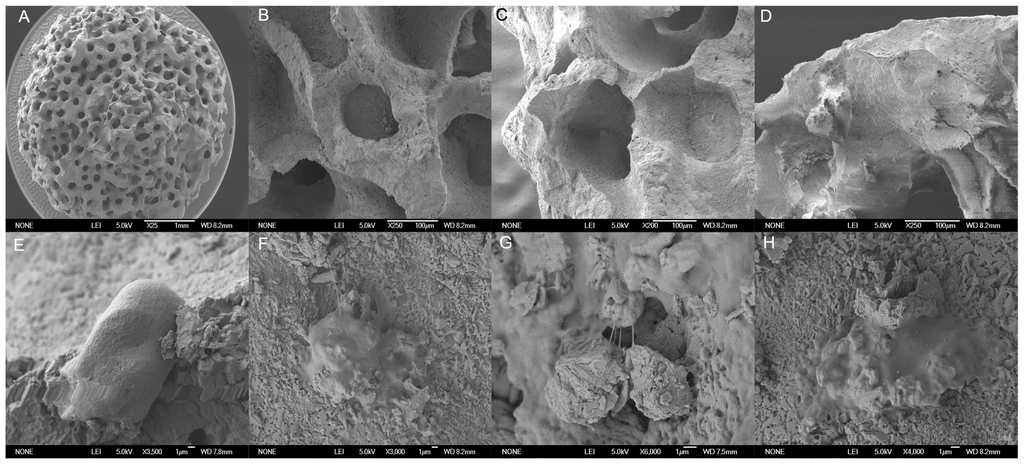
The moment a biomaterial is implanted, a race begins. Within seconds, proteins from the blood and surrounding fluid rush to coat its surface. This process, called , is the critical first handshake between the material and the body. The type, amount, and orientation of these first-arriving proteins dictate everything that happens next. They are the signals that tell the body's cells whether to treat the implant as a friend or a foe.
If the adsorbed proteins signal "danger," the immune system launches what's known as the (FBR). This is a specific type of chronic inflammation aimed at isolating the intruder. Immune cells called macrophages arrive at the scene and attempt to engulf and digest the foreign material. When the implant is too large to be eaten, they fuse together to form massive "foreign body giant cells" that can wall off the implant with a thick layer of fibrous scar tissue. This fibrous capsule can interfere with the device's function, whether by blocking electrical signals from a pacemaker or causing a breast implant to harden and become painful.
Testing for Safety
Before any material can be used in a medical device, it must undergo rigorous biocompatibility testing. These procedures are standardized by organizations like the to ensure patient safety. The foundational standard is ISO 10993, which outlines a framework for evaluating a material's potential to cause harm.
Tests are designed to answer specific questions:
- Cytotoxicity: Does the material kill cells in a lab dish?
- Sensitization: Can it cause an allergic reaction?
- Irritation: Does it cause redness or swelling on contact?
- Systemic Toxicity: If the material breaks down, do its components cause poisoning elsewhere in the body?
Testing starts with in vitro (lab-based) studies and progresses to in vivo (animal) studies if necessary, depending on how the device will be used and for how long. A dental filling has different requirements than a permanent heart valve.
A key consideration is how a material degrades. While some devices are designed to be permanent, others, like absorbable sutures or drug-delivery scaffolds, are meant to break down over time. The challenge is ensuring they degrade at a predictable rate and that their breakdown products are non-toxic. A suture that dissolves too quickly is useless, while one that releases harmful chemicals as it degrades is dangerous. For example, a bone screw made from a magnesium alloy can provide support while the bone heals and then safely corrode away, eliminating the need for a second surgery to remove it.
Now, let's test your understanding of these critical concepts.
What is the critical first event that occurs seconds after a biomaterial is implanted, which dictates the body's entire subsequent reaction?
An engineer is designing a femoral component for an artificial hip joint, which must be strong and highly resistant to fracture under the stress of walking and running. Which class of biomaterial is the most appropriate choice?
Designing materials for the body is a delicate balance of engineering and biology. Success depends on understanding not just the properties of the material, but the complex and powerful response of the host.