Explaining Color Without Sight
Light and Color Basics
The Nature of Light
Light is a form of energy that travels through space as electromagnetic waves, similar to radio waves or X-rays. What makes these waves different from one another is their wavelength, which is the distance between the peaks of a wave. The human eye can only detect a very small range of these wavelengths.
Wavelength
noun
The distance over which a wave's shape repeats. For light, different wavelengths correspond to different colors.
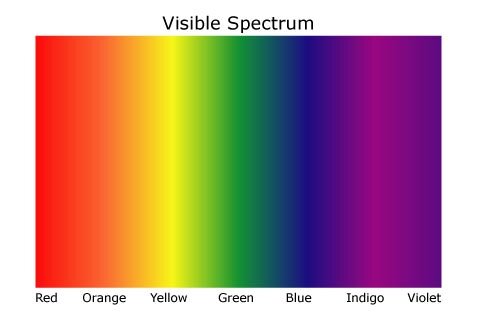
This tiny sliver of the electromagnetic spectrum that we can see is called the visible spectrum. When white light, like sunlight, passes through a prism, it separates into the colors of the rainbow. Each color corresponds to a different wavelength. Red has the longest visible wavelength, and violet has the shortest.
How We See Color
Seeing color isn't just about light hitting an object; it's about how our eyes and brain interpret that light. When light enters your eye, it's focused onto the retina, a layer of tissue at the back of the eyeball. The retina is lined with millions of light-sensitive cells.
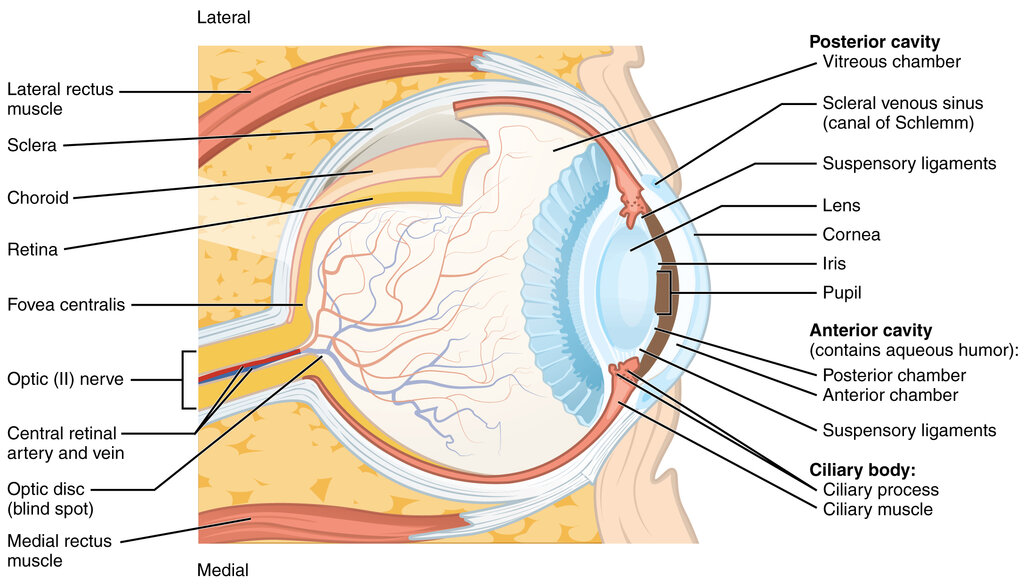
These cells come in two main types: rods and cones. Rods help us see in low light but don't detect color. Cones are responsible for color vision. Most people have three types of cone cells, each sensitive to a different range of light wavelengths.
One type of cone responds most to long wavelengths (reds), another to medium wavelengths (greens), and the third to short wavelengths (blues).
When light hits the retina, it stimulates these cones to varying degrees. The brain then receives signals indicating how much red, green, and blue light is present. It processes this information and combines the signals, allowing us to perceive the entire spectrum of colors.
For example, when you look at a yellow banana, both your red-sensitive and green-sensitive cones are strongly stimulated. Your brain interprets this combination of signals as the color yellow. If an object appears white, it's because all three types of cones are stimulated equally.
This trichromatic (three-color) system is the foundation of how we perceive the rich and varied world of color around us.
What property of an electromagnetic wave determines its color within the visible spectrum?
Which color of light in the visible spectrum has the longest wavelength?
Understanding these basics of light and perception is the first step toward appreciating how color works.