Explaining 1 John 2:16 to Believers in Telugu
Understanding 1 John 2:16
The World in Three Phrases
The apostle John provides a concise summary of what he calls “the world,” a system of values opposed to God. He breaks it down into three distinct categories of desire. Understanding these categories helps clarify the nature of temptation and worldly thinking.
For all that is in the world—the desires of the flesh, the desires of the eyes, and the pride of life—is not from the Father but is from the world.
This verse presents a framework. It states that everything characteristic of this fallen world, every temptation, can be grouped into one of three buckets. Let's look at each one.
Desires of the Flesh
This phrase refers to the cravings that arise from our physical bodies and appetites. It's not just about explicitly sinful acts, but about the drive to satisfy our physical wants without regard for God's will. This can include anything from gluttony to sexual lust to the simple pursuit of comfort above all else.
The key idea is the elevation of bodily urges. It's when physical gratification becomes the primary goal, overriding spiritual or moral considerations. This desire is rooted in our human nature, but it becomes a problem when it governs our choices.
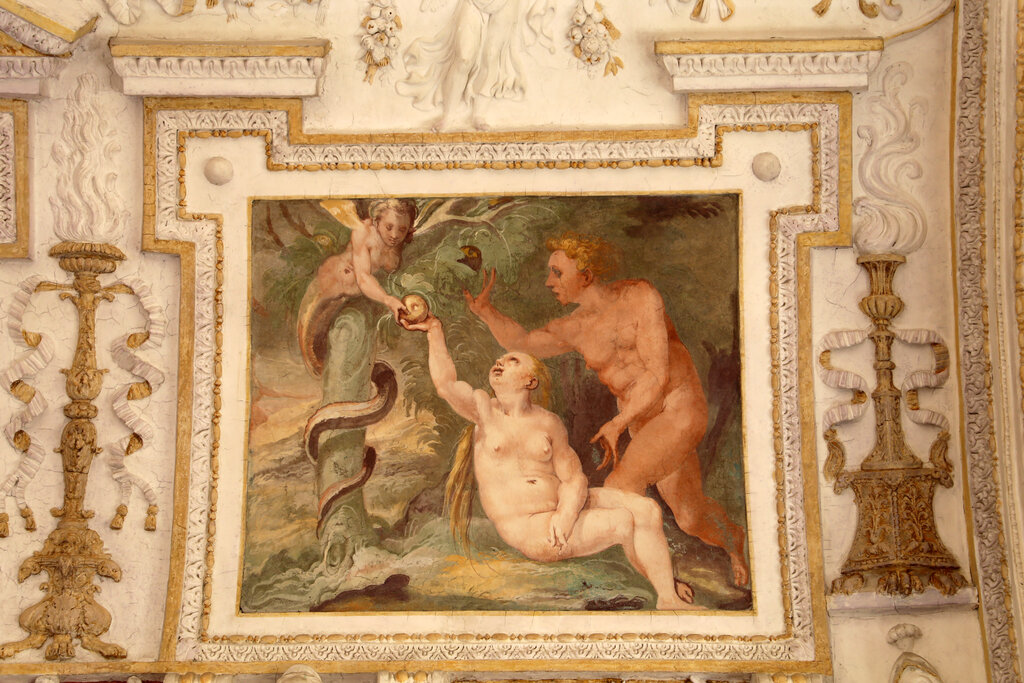
For example, in the story of the forbidden fruit, Eve saw that the fruit was "good for food." This appealed directly to her physical appetite, a desire of the flesh.
Desires of the Eyes
This category moves beyond internal, physical cravings to external attractions. It is the lust for things we see. This is about materialism, covetousness, and finding satisfaction in possessions or appearances.
It’s the impulse that says, “If I had that, I would be happy.” The object of desire could be a car, a house, a piece of clothing, or even another person's life as seen on social media. The eyes see something, and the heart begins to want it, believing that acquiring it will bring fulfillment. The temptation begins with sight.
Eve also saw that the fruit was a "delight to the eyes." Its visual appeal was a core part of the temptation, independent of whether it was good for food.
Pride of Life
The third category, “pride of life,” concerns our inner sense of self and status. The original Greek word, alazoneia, refers to boastful self-importance and arrogance. It’s the desire for position, reputation, and worldly honor. This is the temptation to rely on one's own accomplishments, wealth, or status for a sense of worth.
It's the attitude that trusts in what one has and what one does rather than in God. This pride manifests as a preoccupation with how we are perceived by others. In the Garden, the serpent promised Eve that by eating the fruit, she would "be like God," appealing to her ambition and desire for elevated status.
These three categories provide a comprehensive picture of worldly temptation, touching on our physical appetites, our material wants, and our desire for status.
Time to check your understanding.
Which of the following best describes the “lust of the flesh” as explained in the text?
An intense desire to own a neighbor's new boat after seeing them enjoy it on the lake is a primary example of what?
Together, these three phrases describe a system of values entirely separate from the life offered by God.