Exotic Colombian Fruits You Won't Find in Europe
Introduction to Colombian Native Fruits
A Land of Endless Fruit
Colombia's unique position on the globe gives it a stunning range of landscapes. It's the only country in South America with coastlines on both the Pacific Ocean and the Caribbean Sea. The massive Andes Mountains split into three separate ranges here, creating countless valleys and high-altitude plains. Add in a slice of the Amazon rainforest and vast grasslands, and you get an incredible patchwork of microclimates.
This variety in elevation, temperature, and rainfall means that almost anything can grow. This ecological diversity is the reason Colombia is a global biodiversity hotspot, especially when it comes to fruit.
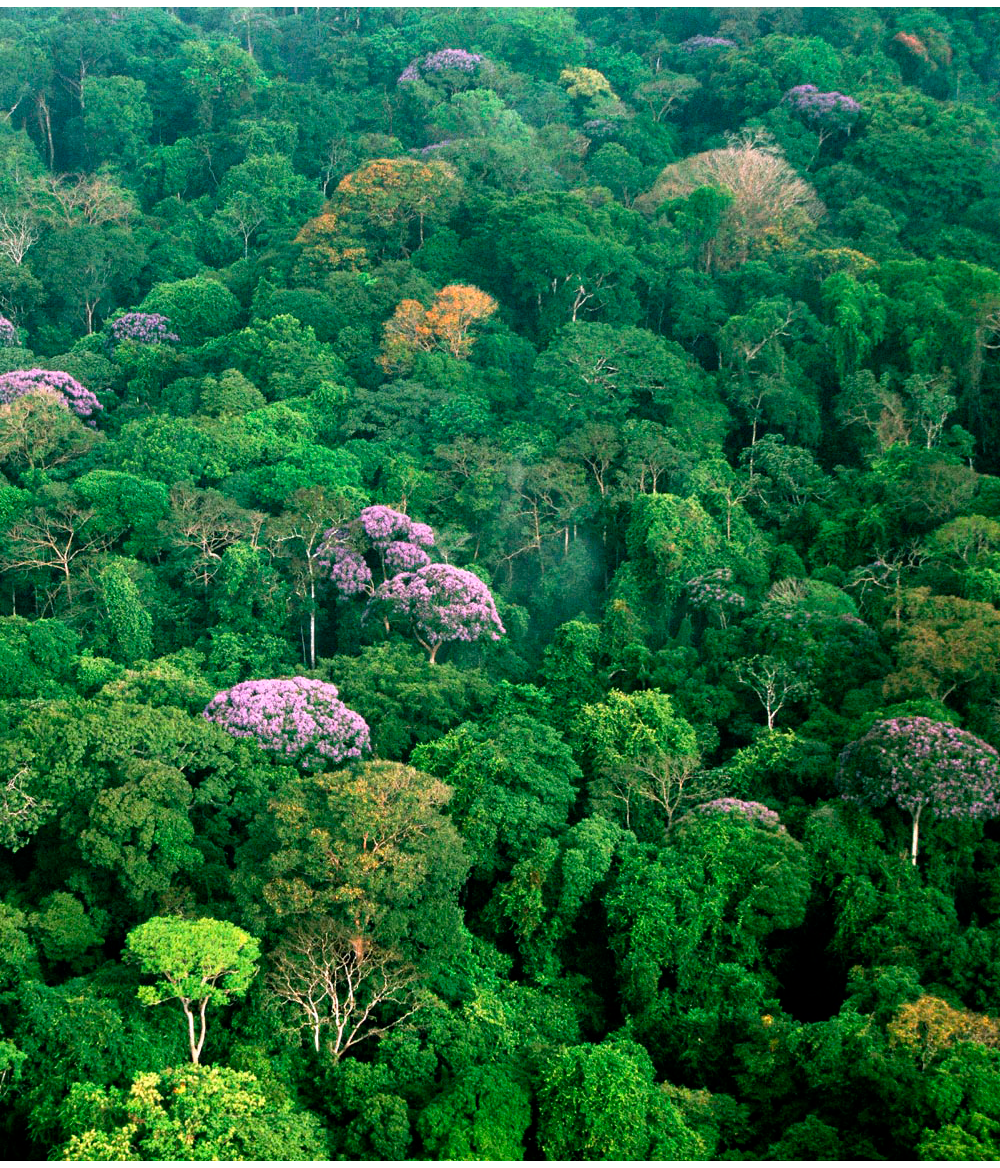
Many of these fruits are native to the region, meaning they originated and evolved here over thousands of years, perfectly adapted to their specific corner of the country. They weren't brought in from other parts of the world. This makes them a unique and integral part of Colombia's natural heritage.
More Than Just Food
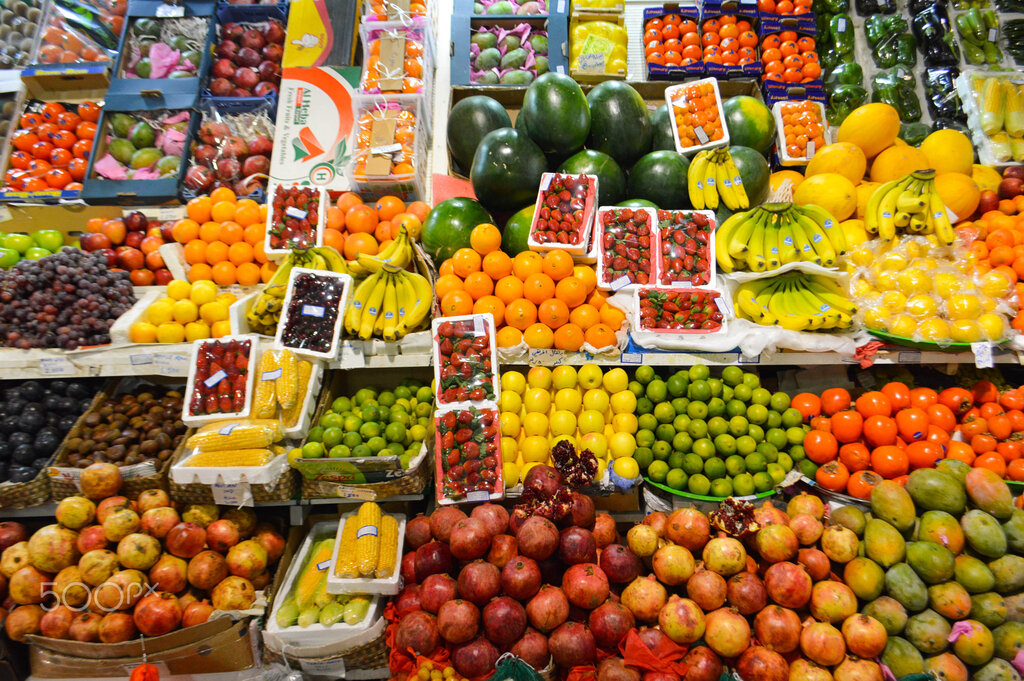
In Colombia, fruits are deeply woven into the fabric of daily life. A walk through a local market is a feast for the senses, with pyramids of colorful, fragrant, and sometimes strangely shaped fruits you've likely never seen before. They are staples in homes, used in everything from fresh juices and morning snacks to elaborate desserts and savory sauces.
This deep connection goes beyond the kitchen. Certain fruits are used in traditional medicine or play a role in local festivals and gatherings. They represent a direct link to the land and are a source of regional pride. A fruit that grows only in one valley can become a symbol of that community's identity.
A World of Unknown Flavors
So, if these fruits are so amazing, why aren't they in supermarkets across Europe and North America? The global fruit market is dominated by a handful of varieties that were chosen for specific traits. They need to be tough enough to survive long-distance shipping, have a long shelf life, and look consistently perfect.
Many of Colombia’s native fruits are delicate. They might have thin skins, spoil quickly after being picked, or grow on trees that aren't suited for large-scale industrial farming.
Because of this, most of the world is missing out on an incredible spectrum of flavors and textures. The global demand simply isn't there yet, mainly because people don't know what they're missing. This vast, delicious world of Colombian fruits remains one of the country's best-kept secrets, waiting to be discovered.