Exosomes and Stem Cells
Introduction to Exosomes
The Cell's Tiny Messengers
Cells are constantly talking to each other. It’s how they coordinate everything from repairing a scraped knee to keeping your heart beating in rhythm. One of the most fascinating ways they communicate is by sending tiny packages called exosomes.
Exosomes are a type of extracellular vesicle, which is a general term for any small particle naturally released from a cell that can't replicate on its own. Specifically, exosomes are tiny sacs, ranging from just 30 to 150 nanometers in diameter. To put that in perspective, a single red blood cell is about 50 times wider than the largest exosome.
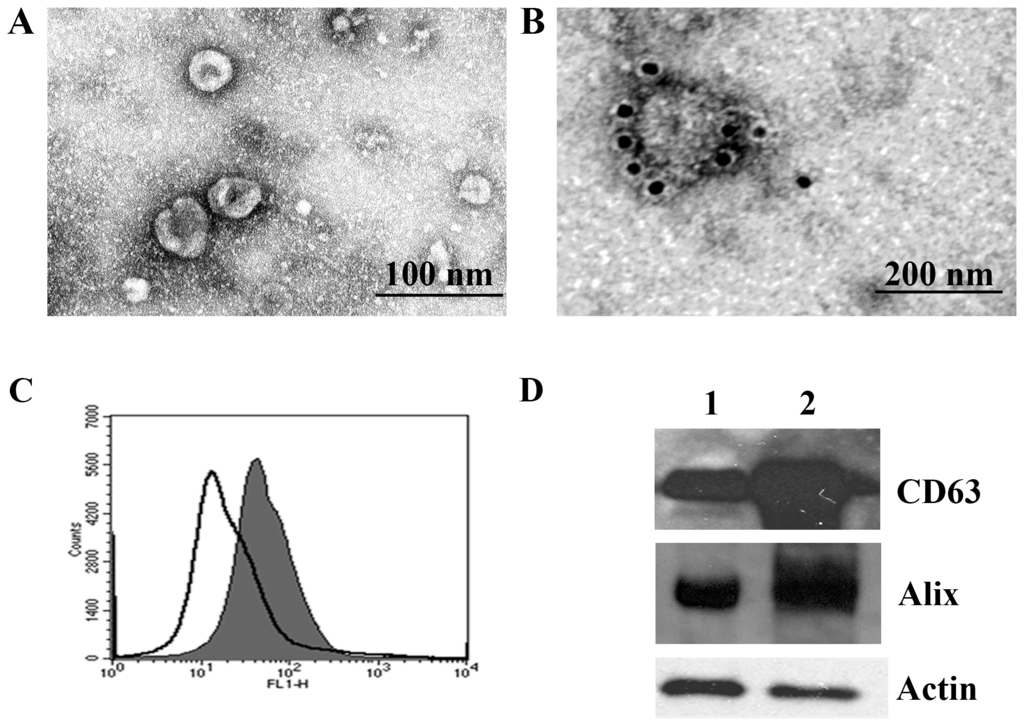
Think of them as the cellular postal service. They are released by one cell, travel through the body's fluids, and are picked up by another cell, delivering a specific message or set of instructions inside.
How Exosomes Are Made
Exosomes don't just pinch off from the cell's outer surface. They have a unique origin story that starts deep inside the cell's endosomal system, a network of compartments involved in sorting and transporting substances.
The process begins when the cell's outer membrane folds inward, creating a small bubble called an early endosome. Then, something remarkable happens: the membrane of this endosome begins to fold inward on itself, budding off even smaller vesicles into its own interior. This creates a larger sac filled with tiny vesicles, known as a multivesicular body (MVB).
This MVB has a choice. It can travel to the lysosome, the cell's recycling center, where its contents would be broken down and destroyed. Or, it can move to the cell's outer edge and fuse with the plasma membrane. When this fusion occurs, the small internal vesicles are released outside the cell. These newly freed vesicles are what we call exosomes.
Structure and Cargo
An exosome isn't just an empty bubble. It has a specific structure and is packed with a carefully selected cargo from its parent cell. The outer shell is a lipid bilayer, much like the cell's own membrane, but it's particularly rich in certain lipids like cholesterol, sphingomyelin, and ceramide. This composition makes the exosome stable as it travels outside the cell.
Inside, the exosome carries a diverse payload that reflects the state of the cell it came from. This cargo is the 'message' being delivered.
| Cargo Type | Description | Examples |
|---|---|---|
| Proteins | Can act as signals, enzymes, or structural components. | Signaling proteins, cytoskeletal proteins, heat shock proteins. |
| Lipids | Part of the membrane and can also act as signaling molecules. | Cholesterol, sphingomyelin, prostaglandins. |
| Nucleic Acids | Genetic material that can alter gene expression in the recipient cell. | mRNA, microRNA (miRNA), and other non-coding RNAs. |
The specific combination of molecules on the exosome's surface and packed inside determines which cells will receive it and how they will respond.
A Communication Network
The primary role of exosomes is intercellular communication. By carrying proteins and RNA from one cell to another, they can influence the behavior of the recipient cell in profound ways. For example, an exosome might deliver a piece of mRNA that the recipient cell then translates into a new protein. Or it could deliver a microRNA that stops the recipient cell from producing one of its own proteins.
This communication network is active all the time, helping to maintain normal physiological processes, or homeostasis. Cells use exosomes to coordinate their activities, manage tissue repair, and regulate the immune system. It's a sophisticated and dynamic system of information exchange, all happening on a microscopic scale.
Exosomes act as messengers, carrying instructions that can change the function and behavior of the cells they contact.
Before we test your knowledge, let's review the key terms from this section.
Ready to check your understanding?
What is the defining characteristic of an exosome's origin?
A multivesicular body (MVB) can either fuse with the plasma membrane to release exosomes or it can travel to the __________ for degradation.
Understanding exosomes opens up a new way of looking at how the body works, revealing a complex and elegant communication system that keeps our cells in sync.