Exosomatic Evolution Beyond Biology
Introduction to Exosomatic Evolution
Beyond the Body
Human evolution isn't just a story of changing genes over millions of years. While our bodies adapted slowly to new environments, we found a much faster way to evolve: by using things outside of our bodies. This process of external adaptation is the key to understanding how our species went from simple hunter-gatherers to a globally connected civilization.
exosomatic
adjective
Relating to things external to the body.
Exosomatic evolution is evolution by way of tools, technology, and culture. Think of it as outsourcing our adaptations. Instead of waiting for biology to give us sharper teeth, we chipped stones into sharp blades. Instead of evolving thick fur, we learned to use animal hides and, later, to weave cloth for warmth.
This is fundamentally different from biological, or endosomatic, evolution. Biological changes are passed down through genes and happen over vast timescales. Exosomatic changes are passed down through learning and can happen within a single generation. This ability to accumulate and share knowledge is our species' superpower.
The First Sparks
The story of exosomatic evolution begins with our earliest ancestors. Over two million years ago, early humans began shaping stones into tools. These weren't just rocks; they were the first extensions of the human hand and mind.
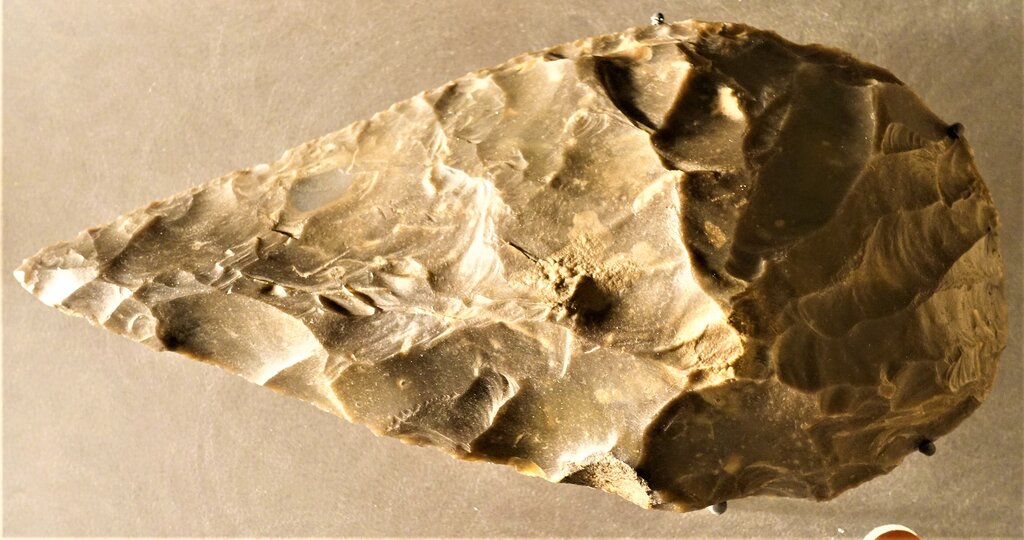
A simple hand axe could do things no hand could do alone. It could butcher a large animal, crack open bones for marrow, or dig for edible roots. It was an external fang, a claw, a powerful fist, all in one. This simple invention fundamentally changed our ancestors' diet and place in the food chain.
Another monumental leap was the control of fire. Harnessing fire provided warmth, protection from predators, and a way to transform food. Cooking made tough plants and meat easier to digest and unlocked more nutrients. This external stomach effectively pre-digested food, meaning our bodies had to expend less energy on digestion. Many scientists believe this energy surplus helped fuel the growth of our most important organ: the brain.
A sharp stone became a better tooth. A controlled fire became a stronger stomach. Humans began to engineer their own evolution.
Accelerating Change
Unlike biological evolution, which branches out in different directions, exosomatic evolution builds on itself. Each new tool or idea becomes a platform for the next. This creates a feedback loop that causes the pace of change to accelerate over time.
Consider the invention of writing. For the first time, knowledge could be stored reliably outside the human brain. Stories, laws, and discoveries no longer had to be memorized perfectly. They could be recorded, shared across vast distances, and passed down through generations without error. It was a cultural version of DNA, allowing for the precise replication and accumulation of information.
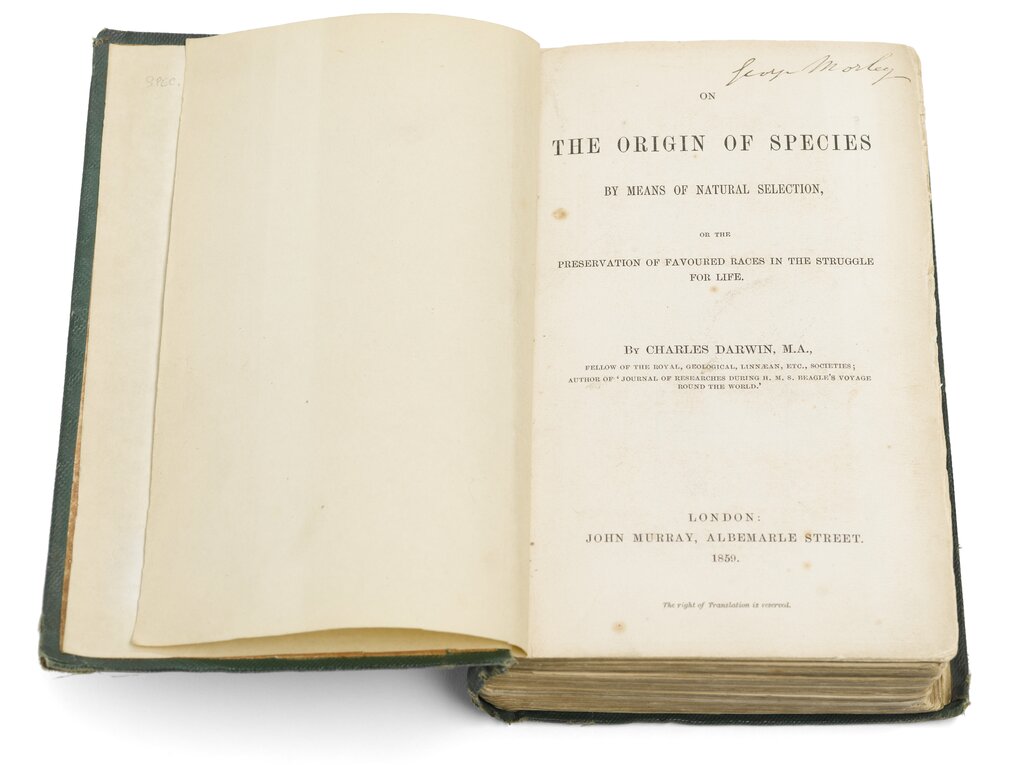
Then came the printing press, which amplified the power of writing a thousandfold. Suddenly, information wasn't just preserved; it was democratized. Books and pamphlets could be copied quickly and cheaply, spreading ideas like wildfire and fueling periods of rapid change like the Renaissance and the Scientific Revolution.
From stone tools to smartphones, each step in our technological journey is an example of exosomatic evolution. We are the only species that actively and collectively designs its own adaptive equipment. This process has allowed us to live in every environment on Earth, from the arctic to the desert, and even to venture into the vacuum of space.