Exertional Compartment Syndrome Surgical Interventions
Surgical Techniques
Open Fasciotomy
When non-surgical treatments don't relieve the pressure of Chronic Exertional Compartment Syndrome (CECS), surgery is often the next step. The most traditional and well-established procedure is the open fasciotomy.
A fasciotomy involves cutting the fascia, the tight, inelastic sheath of tissue that encases the muscles in a compartment. In CECS, this fascia doesn't expand enough to accommodate the increased muscle volume during exercise, leading to a painful buildup of pressure. By cutting the fascia, the surgeon releases this pressure, allowing the muscle to swell without restriction.
The "open" technique uses a relatively long incision, typically several centimeters, directly over the affected compartment. This gives the surgeon a clear, direct view of the fascia and surrounding structures, such as nerves and blood vessels. After making the incision through the skin, the surgeon carefully dissects down to the fascia and makes a longitudinal cut to open it completely. The skin is then closed with sutures, but the fascia is left open to heal with more space.
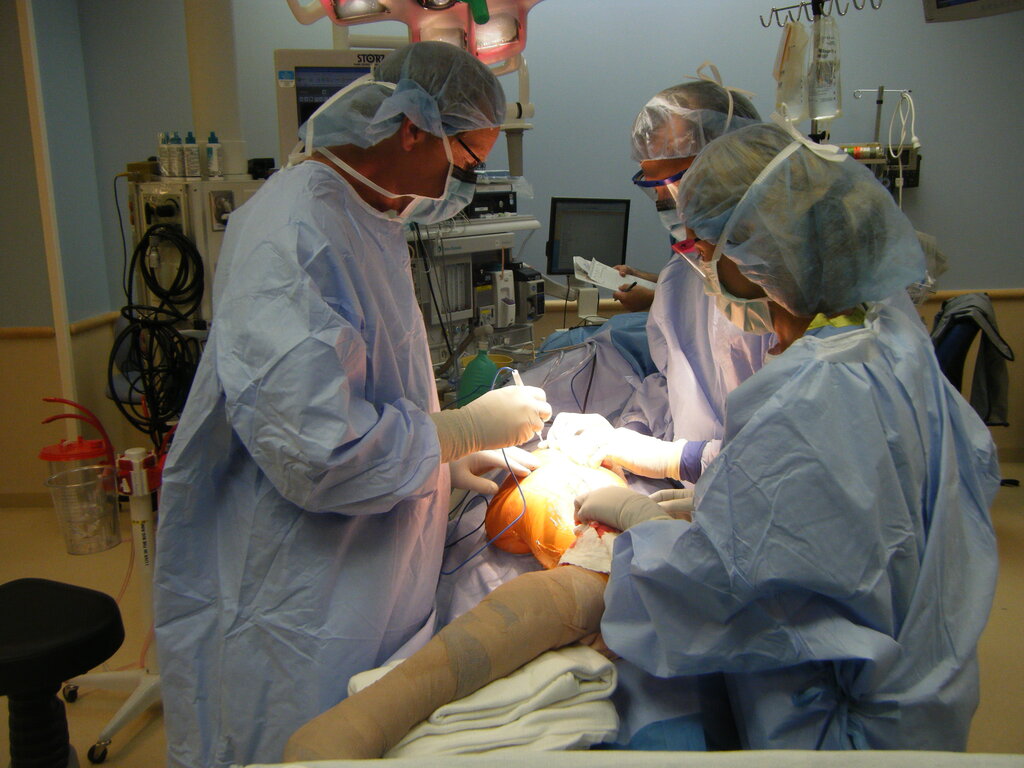
This method has a long track record of success. The direct visualization helps ensure a complete release of the fascia and minimizes the risk of inadvertently damaging nearby nerves.
| Advantages | Disadvantages |
|---|---|
| High success rate | Longer incision and more noticeable scar |
| Direct view of anatomy | Longer recovery period |
| Lower risk of incomplete release | Higher risk of wound complications |
Minimally Invasive Options
As surgical techniques have advanced, less invasive methods have been developed to treat CECS. These procedures aim to achieve the same goal as an open fasciotomy—releasing the tight fascia—but with smaller incisions and less disruption to the surrounding tissues.
Minimally invasive fasciotomy, sometimes called a subcutaneous fasciotomy, is performed through one or two small incisions instead of one long one. The surgeon inserts specialized instruments under the skin to reach and cut the fascia without needing to open the entire area.
Another advanced technique is the endoscopic compartment release. This is a form of keyhole surgery. The surgeon makes a very small incision and inserts an endoscope—a thin tube with a camera and a light on the end. This camera projects a magnified view of the fascia onto a monitor.
Guided by this image, the surgeon inserts a special cutting tool through the same incision or another small nearby one. They can then precisely cut the fascia while directly observing the anatomy on the screen. This technique provides excellent visualization without a large incision.
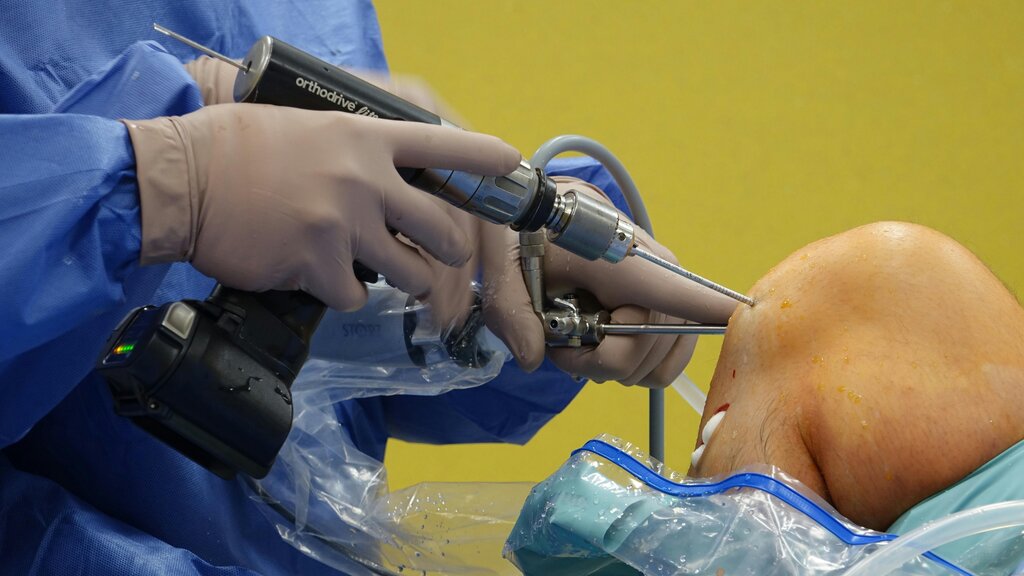
The primary benefits of these less invasive approaches are a faster recovery, less post-operative pain, and smaller, more cosmetically appealing scars. However, they can be technically more demanding for the surgeon and may carry a slightly different risk profile than an open procedure.
Choosing the Right Approach
The choice between open, minimally invasive, or endoscopic surgery depends on several factors, including the specific compartments involved, the surgeon's expertise, and the patient's preferences. There is no single "best" technique; each has its place.
| Feature | Open Fasciotomy | Minimally Invasive | Endoscopic Release |
|---|---|---|---|
| Incision Size | Large (several cm) | Small (1-2 cm) | Very small (keyhole) |
| Scarring | More significant | Less significant | Minimal |
| Recovery | Slower | Faster | Fastest |
| Surgeon's View | Direct, wide view | Indirect, limited | Magnified, on-screen |
| Key Risk | Wound healing issues | Incomplete release | Nerve injury |
Regardless of the technique used, all surgeries carry potential risks. For fasciotomy, the most significant concerns are damage to nearby nerves and blood vessels. The saphenous and peroneal nerves are particularly vulnerable depending on which leg compartment is being operated on.
Nerve damage can lead to numbness, tingling, or weakness in the foot and is the most common serious complication of this type of surgery.
Other potential complications include infection, excessive bleeding, blood clots, and the possibility that the surgery does not fully resolve the symptoms. In some cases, symptoms may recur over time if the fascia heals back too tightly.
It's important to have a thorough discussion with an orthopedic surgeon to understand the risks and benefits of each approach and determine the most appropriate course of action.
What is the primary goal of a fasciotomy procedure for treating Chronic Exertional Compartment Syndrome (CECS)?
Which surgical technique for CECS uses a long incision to provide the surgeon with a clear, direct view of the fascia and surrounding structures?